


Hit Enter to Search or X to close
KASHISH 2026 closes: The Crowd wins Best Feature, Konkona Sensharma honoured
The Crowd by Sahand Kabiri wins Best Narrative Feature at KASHISH 2026. Konkona Sensharma receives the Rainbow Voices Award. Full Golden Butterfly winners list
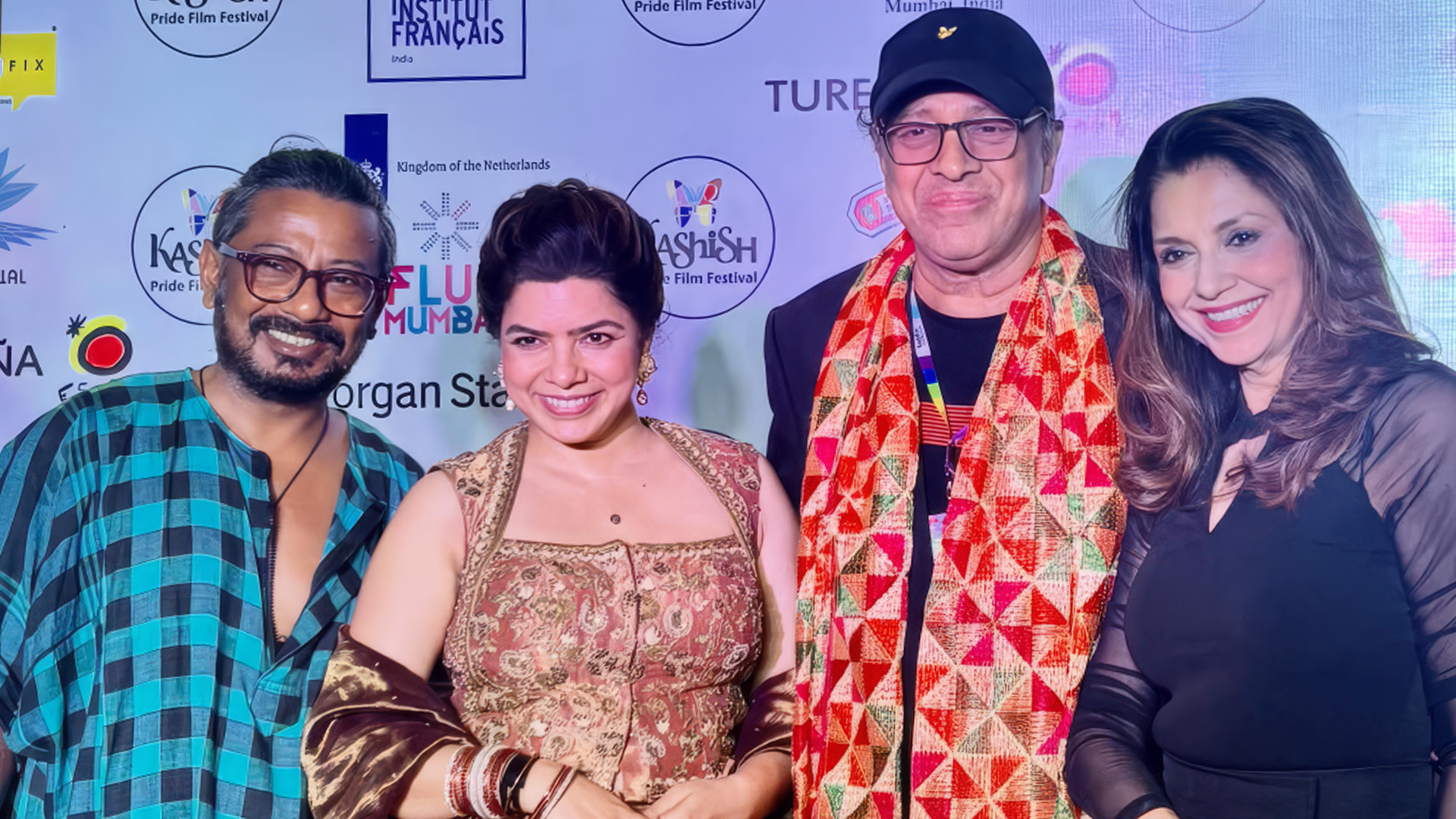
KASHISH 2026 closes: The Crowd wins Best Feature, Konkona Sensharma honoured

The 17th KASHISH Pride Film Festival closes in Mumbai with The Crowd, two new awards and a week that mattered
An Iranian queer drama shot in 12 days wins Best Narrative Feature. Iván and Hadoum wins twice. Konkona Sensharma receives the Rainbow Voices Award. The inaugural Genderation Short goes to a film made in Baluchi and Persian under criminalisation.
The 17th KASHISH Pride Film Festival ran from 3 to 7 June 2026 across Liberty Cinema, Alliance Française de Bombay and, for the first time, the National Gallery of Modern Art in Mumbai. 153 films. 43 countries. Five days. The closing ceremony on 7 June handed out twelve Golden Butterfly trophies and introduced two awards that had never existed before.
The opening night
The festival opened on 3 June with Jimpa, the queer family drama directed by Sophie Hyde and starring Olivia Colman and John Lithgow. Before the film screened, several people were honoured.
Konkona Sensharma received the Rainbow Voices Award for her work playing queer characters across Indian cinema and streaming, in Geeli Puchi, A Monsoon Date and Accused. She received the award from filmmaker-archivist Shivendra Singh Dungarpur and said that some characters stay with an actor long after the work is finished. That some roles permanently alter you. She seemed to mean it.
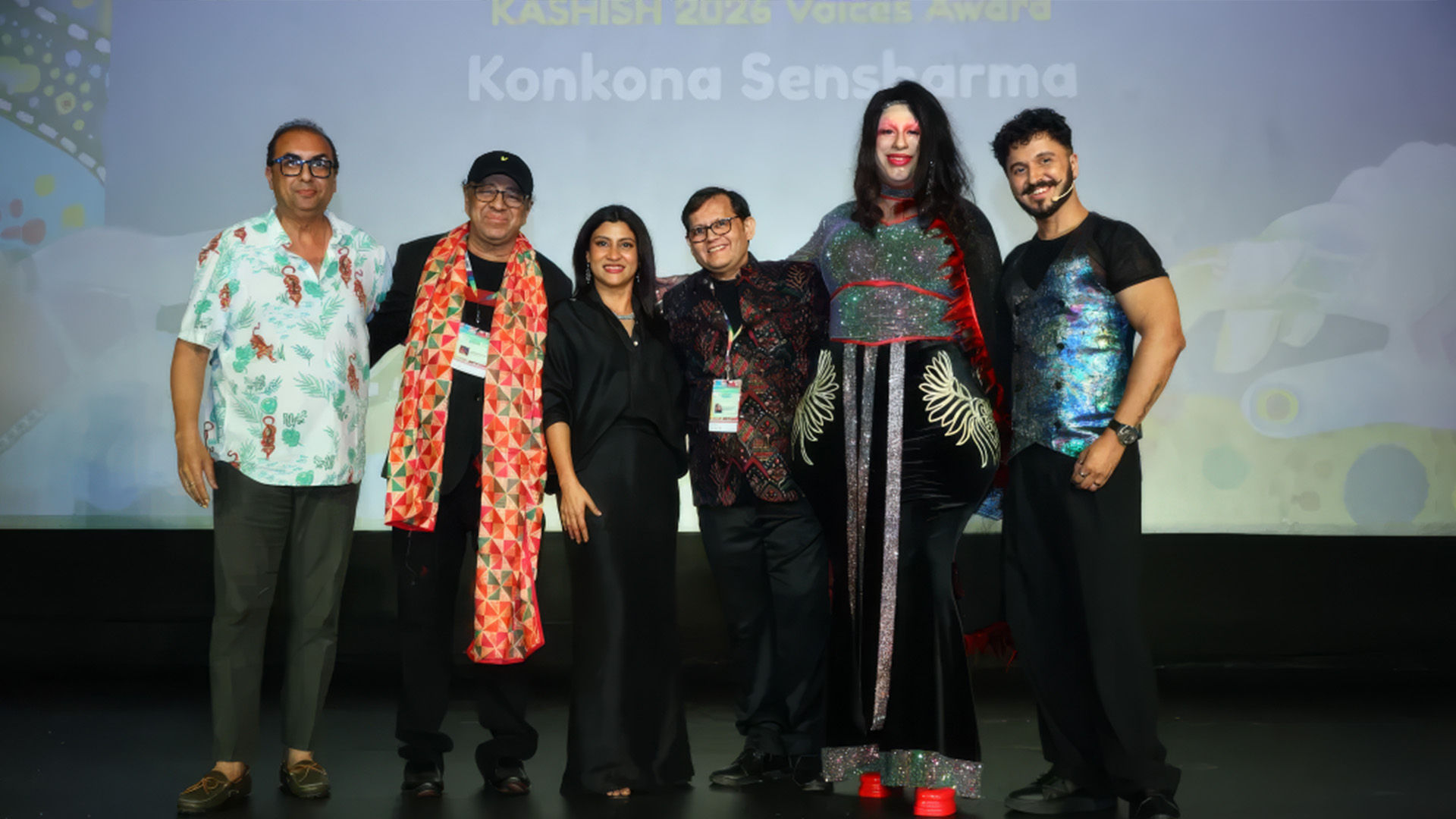
The Rainbow Champion Award went to the Aravani Art Project, a trans-led collective whose public murals have been changing what transgender visibility looks like in Indian cities. Parvathy Thiruvothu presented it, describing herself as a huge fan of their work.
The KASHISH QDrishti Film Grant awarded Rs. 4 lakh to Simrat Harvind Kaur for her project Vasso'n Bahr, which translates as Out of My Hands. Two development grants of Rs. 50,000 each went to Negha Shahin for Anyway, We Loved and Guntaj Deep Singh for Daag. The jury was Nikkhil Advani, Ashwiny Iyer Tiwari, Ishita Moitra and Neeraj Churi.
The narrative jury was chaired by Sundance-winning filmmaker Shonali Bose and included National Award-winning actress Parvathy Thiruvothu. Oscar-nominated filmmaker Shaunak Sen, director of All That Breathes, served on the documentary jury.
The opening also featured a Kathak Tandav performance and a Lavani presentation by dancer Aditi Bhagwat. Hosts were drag queen SeduQtress SoniQa and singer Anuj Talpade, who opened the night with a tribute to Asha Bhosle.
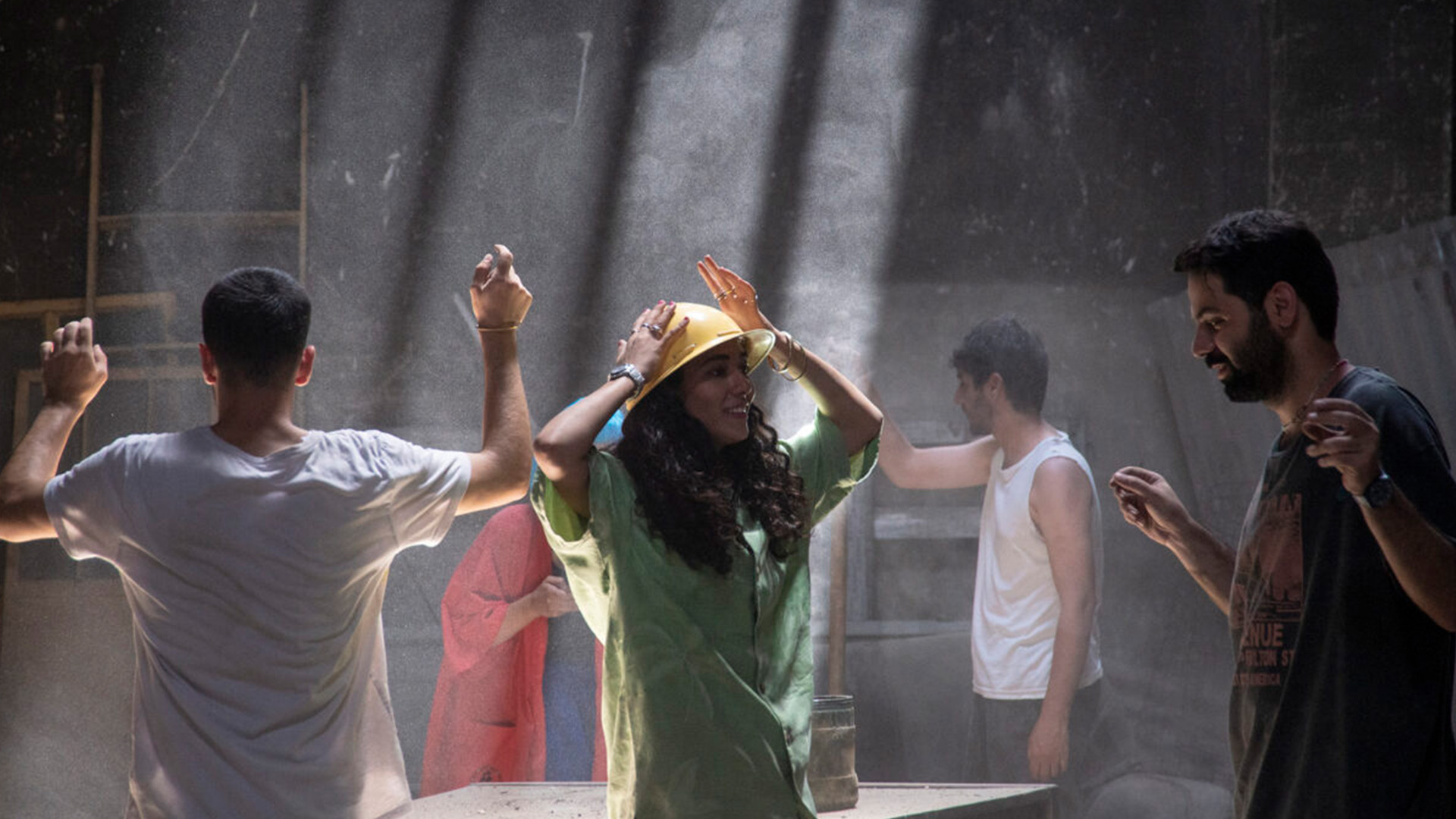
Best Narrative Feature: The Crowd
The top prize went to The Crowd, directed by Sahand Kabiri from Iran. Raman is about to emigrate and his friends want to throw him a farewell party in the disused garage Hamed has inherited. Hamed's conservative brother wants to shut the whole thing down. Shot in 12 days, premiered at Rotterdam in 2025, Grand Jury Prize at Seattle. At 70 minutes it feels less like watching a group of people and more like being let into the room with them. Rs. 40,000, supported by Tiger Baby Films.
Best Documentary Feature: Niñxs
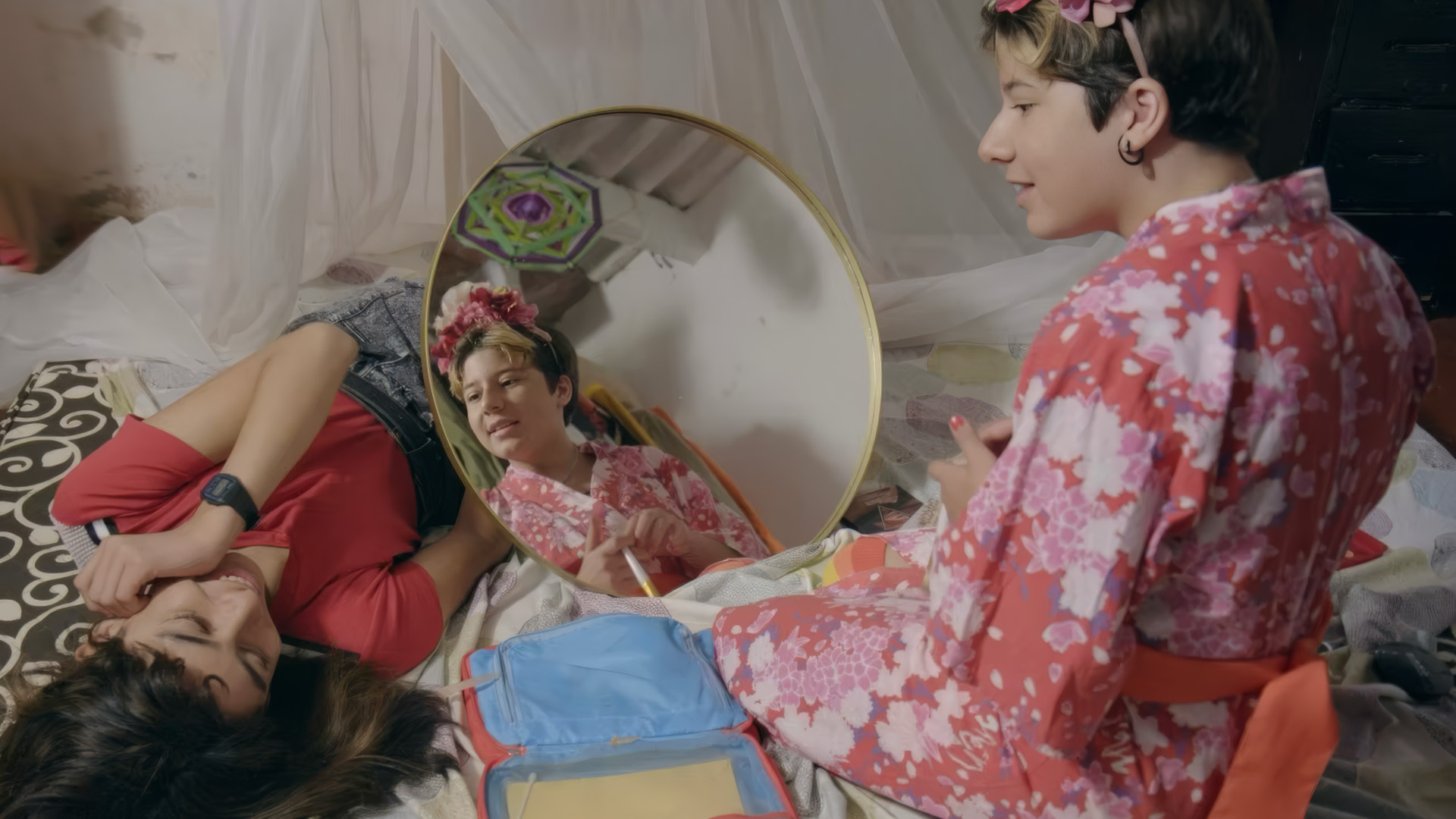
The Best Documentary Feature went to Niñxs, directed by Kani Lapuerta, who is trans. The film follows Karla, a trans girl growing up in Tepoztlán, a small town in Mexico, over eight years of filming. Lapuerta said early on he did not want to make a tragic film. Karla said the same thing. There are best friends putting on makeup, lazing in the sun, making TikTok videos. There is also the weight of a society that has no language for who she is and is not looking for one. The film builds a pink cloud-like cocoon space where Karla and Kani talk directly to each other and to the camera about what is happening and what it means. Intimate and formal, documentary and something else. Rs. 25,000, supported by the K.F. Patil Charitable Trust.

Iván and Hadoum wins twice
The 2026 Berlin Teddy Award winner picked up Best Performance in a Lead Role for Silver Chicón and Best Screenplay for Ian de la Rosa, who is non-binary and both wrote and directed. The film follows Ivan, a trans masculine man in Southern Spain, and Hadoum, his new co-worker. When the promotion Ivan has been waiting for finally arrives it changes what is possible between them. Silver Chicón's performance holds a lot without announcing it. Each prize carries Rs. 25,000.
Best International Narrative Short: Never Never Never
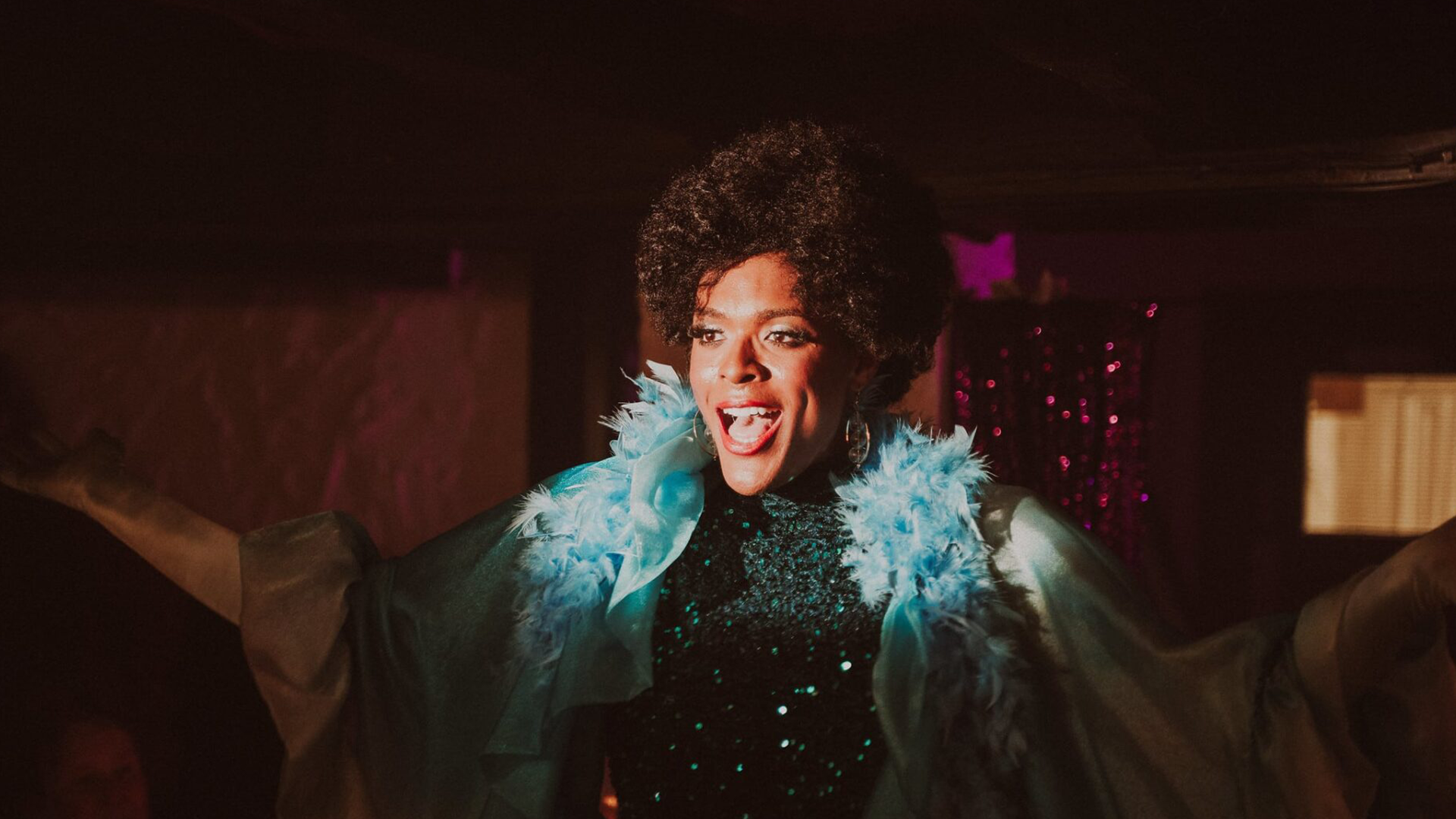
The Best International Narrative Short went to Never Never Never, directed by John Sheedy from Australia. Sheedy won the Iris Prize in 2022 for his short Tarneit and used the prize money to make this film, shot in Wales. A young man who does Shirley Bassey impersonations in a Welsh fishing village. A fisherman. A secret romance. Eighteen minutes and the kind of queer tenderness Sheedy has been quietly perfecting across his career. Rs. 25,000, supported by GagOOLala.

Best Indian Narrative Short: Hills Don't Dance Alone
Hills Don't Dance Alone, directed by Shubham Negi, is set in a school in the Himalayas. Sachin, fifteen, is bullied after wearing girls' clothing for a folk dance performance. The vice principal Anju steps in, and what starts as a straightforward act of protection unravels into something neither of them anticipated. Both are carrying something they have not named. Developed through Netflix and Film Companion's TakeTen grant. Negi is from Himachal Pradesh and draws directly from his own village for the setting and daily rhythms. The word gender identity does not exist in the community the film depicts. The film does not pretend otherwise. Rs. 25,000, supported by Kindling Pictures.
Best Documentary Short: Thanks Babs!
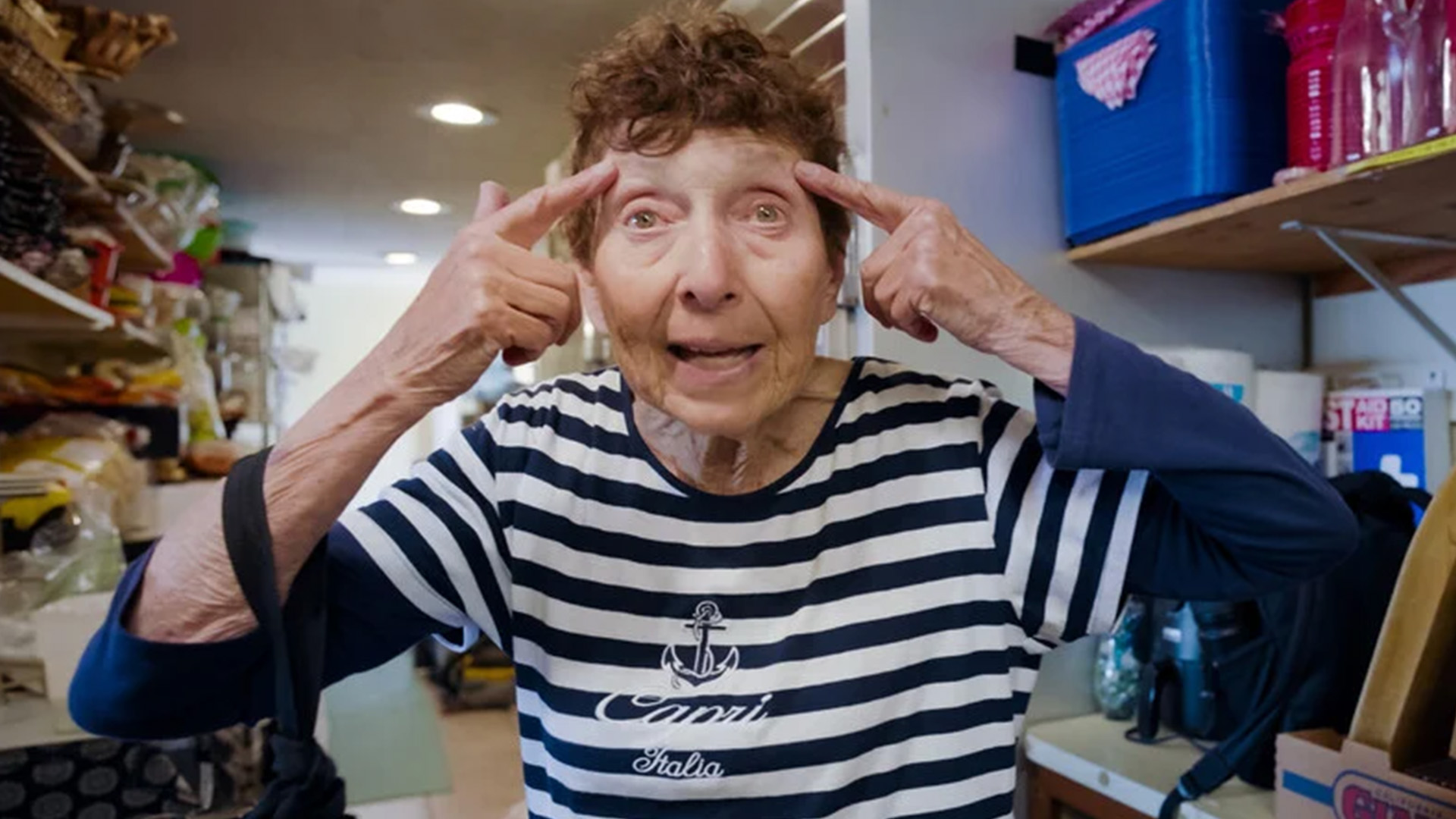
The Best Documentary Short went to Thanks Babs!, co-directed by Jen Rainin and Rivkah Beth Medow, the Oakland-based queer filmmakers behind Ahead of the Curve and Holding Moses. Their subject is Babs, an octogenarian still making five-year plans and living at speed. Fourteen minutes, a comedian's timing, and a portrait of queer aging that refuses sentimentality. Rs. 25,000, supported by the K.F. Patil Charitable Trust.
Inaugural Genderation Short: Narmook
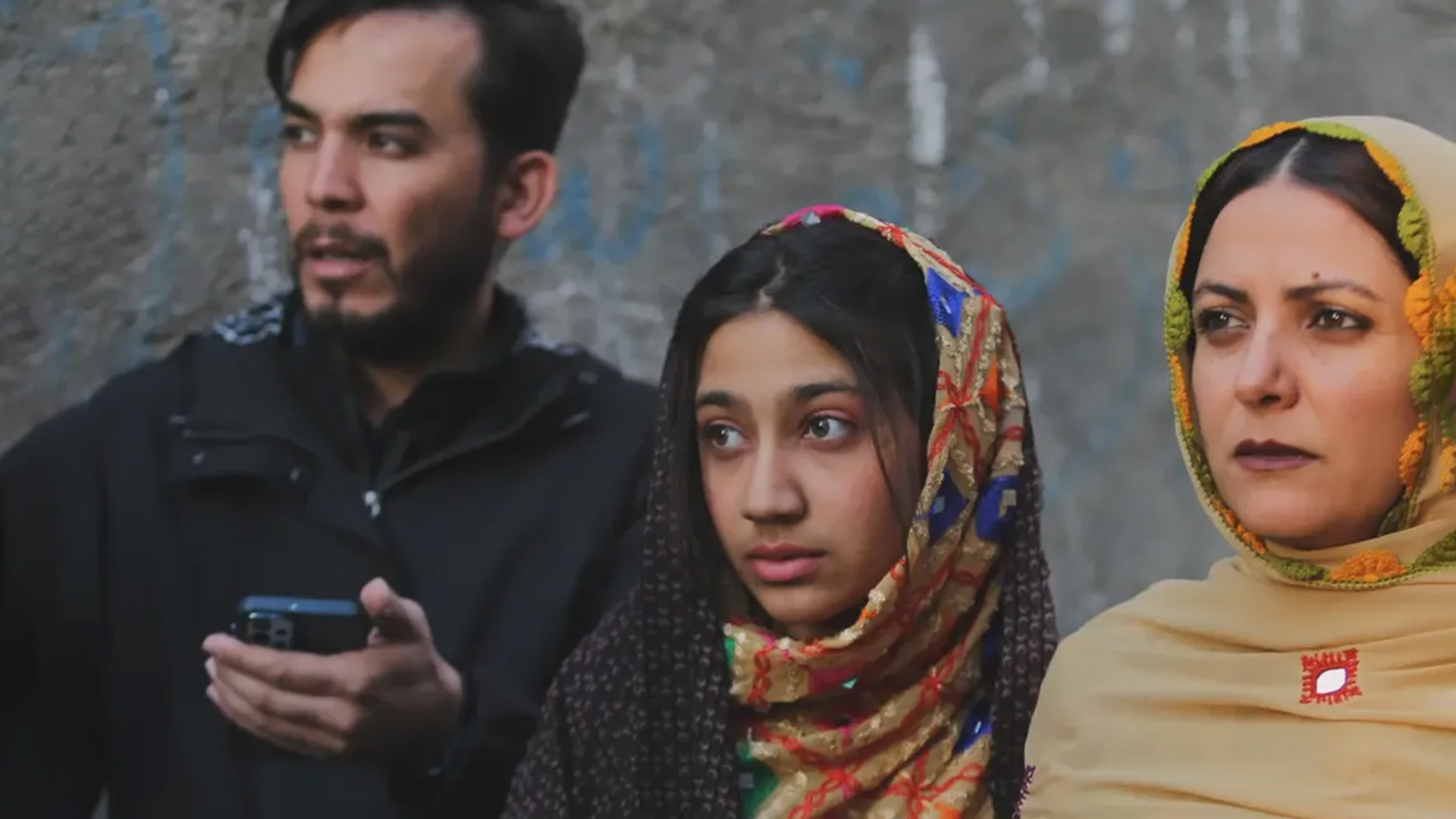
New this year, the Genderation Short award was created for films centring gender non-conforming, non-binary and trans narratives. The inaugural prize went to Narmook, directed by Ghazal Zoghinia, made in Iran in Baluchi and Persian. Two minority languages. A queer film made in a country that criminalises the lives it depicts, sent to a festival in Mumbai. Its presence in the programme had been noted all week. Winning the first prize in a category built for exactly this kind of work is something. Rs. 25,000, supported by the Dwijen Dinanath Arts Foundation.
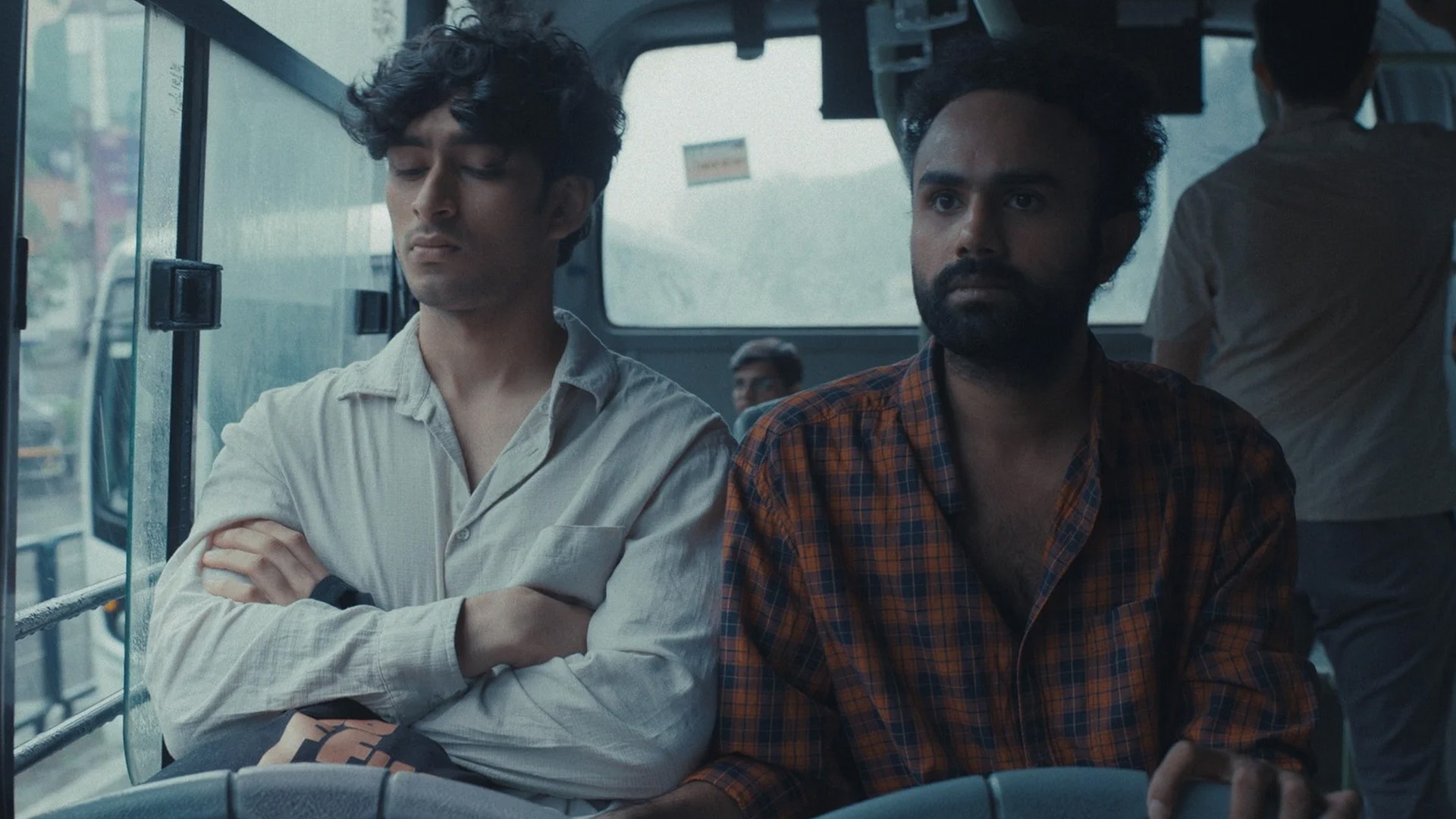
Best Student Short: Upon Starvation
The Best Student Short went to Upon Starvation, directed by Saurav Mahind, an FTII-trained filmmaker whose debut feature Starvation is now in development with Sundance-winning producer Neeraj Churi and US filmmaker Daniel Talbott. Upon Starvation won Best Short at the Sunny Side Up International Film Festival before arriving at KASHISH. Rs. 25,000, supported by Whistling Woods International.
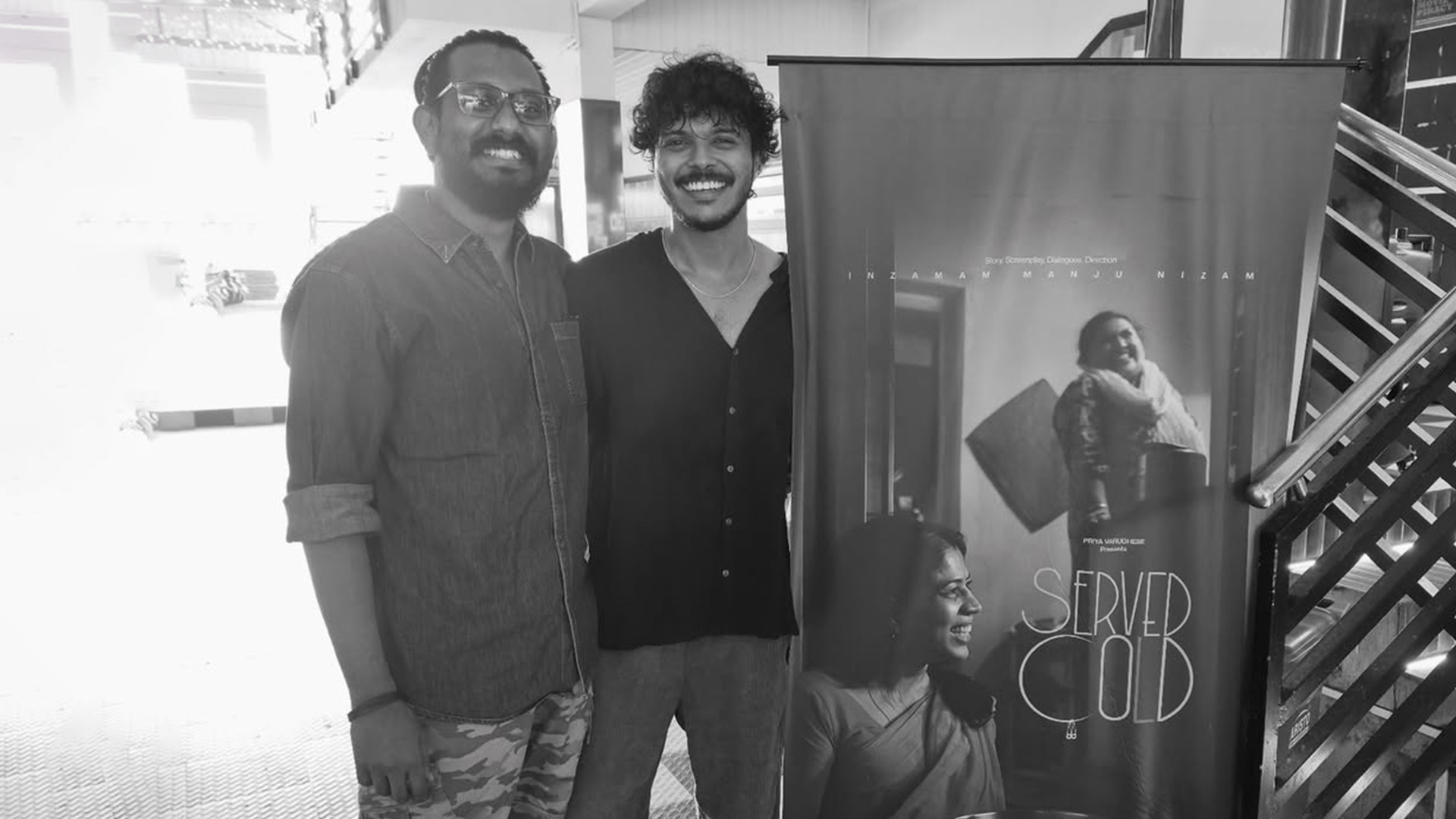
Riyad Wadia Award for Best Emerging Indian Filmmaker: Served Cold
The Riyad Wadia Award went to Inzamam Manju Nizam for Served Cold. Named after Riyad Vinci Wadia, filmmaker and archivist, whose work helped create the conditions in which KASHISH could exist. Rs. 25,000, supported by Wadia Movietone.
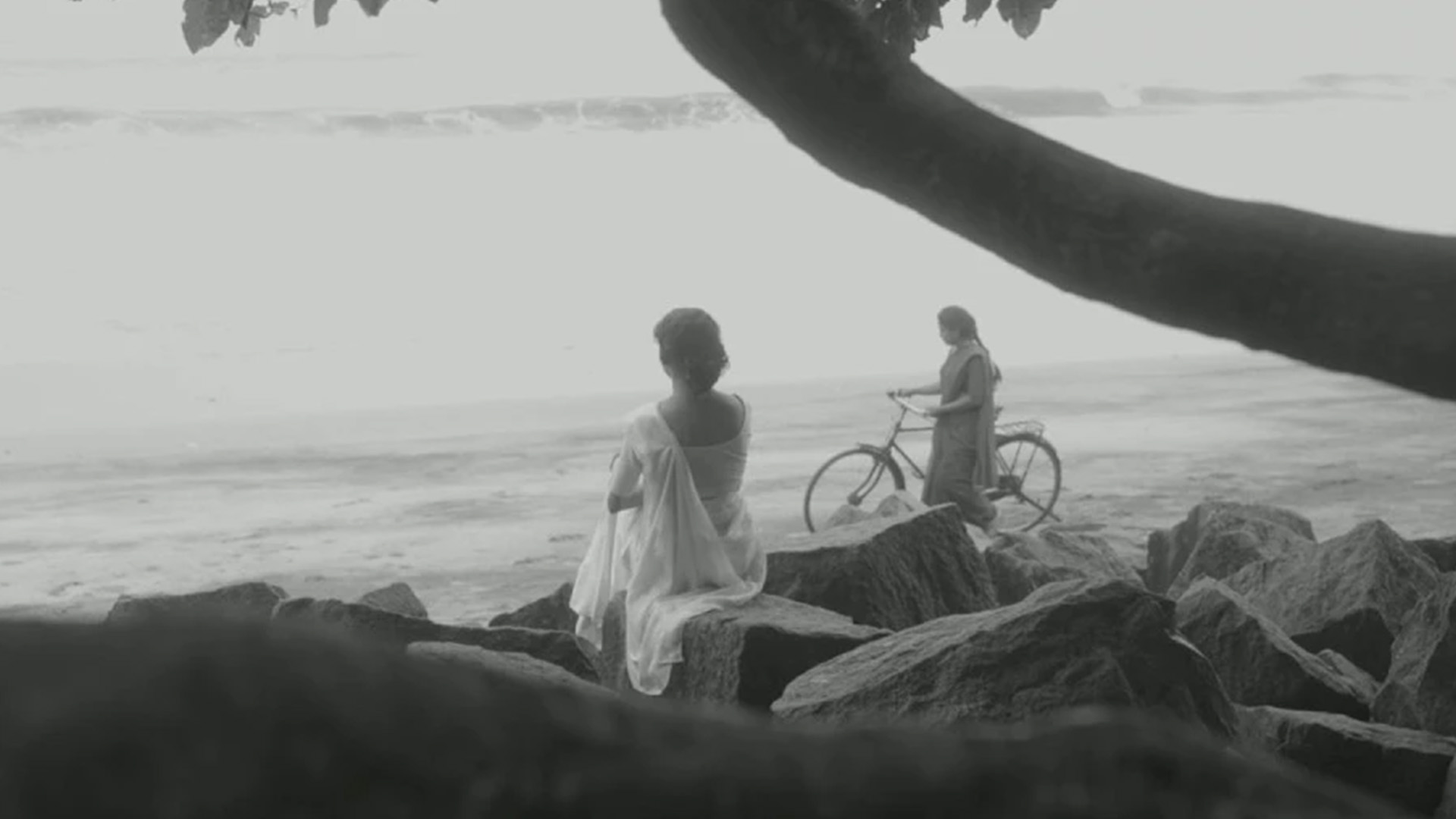
Ismat Chughtai Award for Best Woman Filmmaker of South Asian Origin: Tea Powder
The Ismat Chughtai Award went to Bhavya Karthikeyan for Tea Powder. Ismat Chughtai was an Urdu writer put on trial for obscenity in 1944 for a short story about women's desire. She defended herself and won. The award in her name goes to a South Asian woman filmmaker making work that carries something of that forward. Rs. 25,000, supported by Ashish Sawhney.
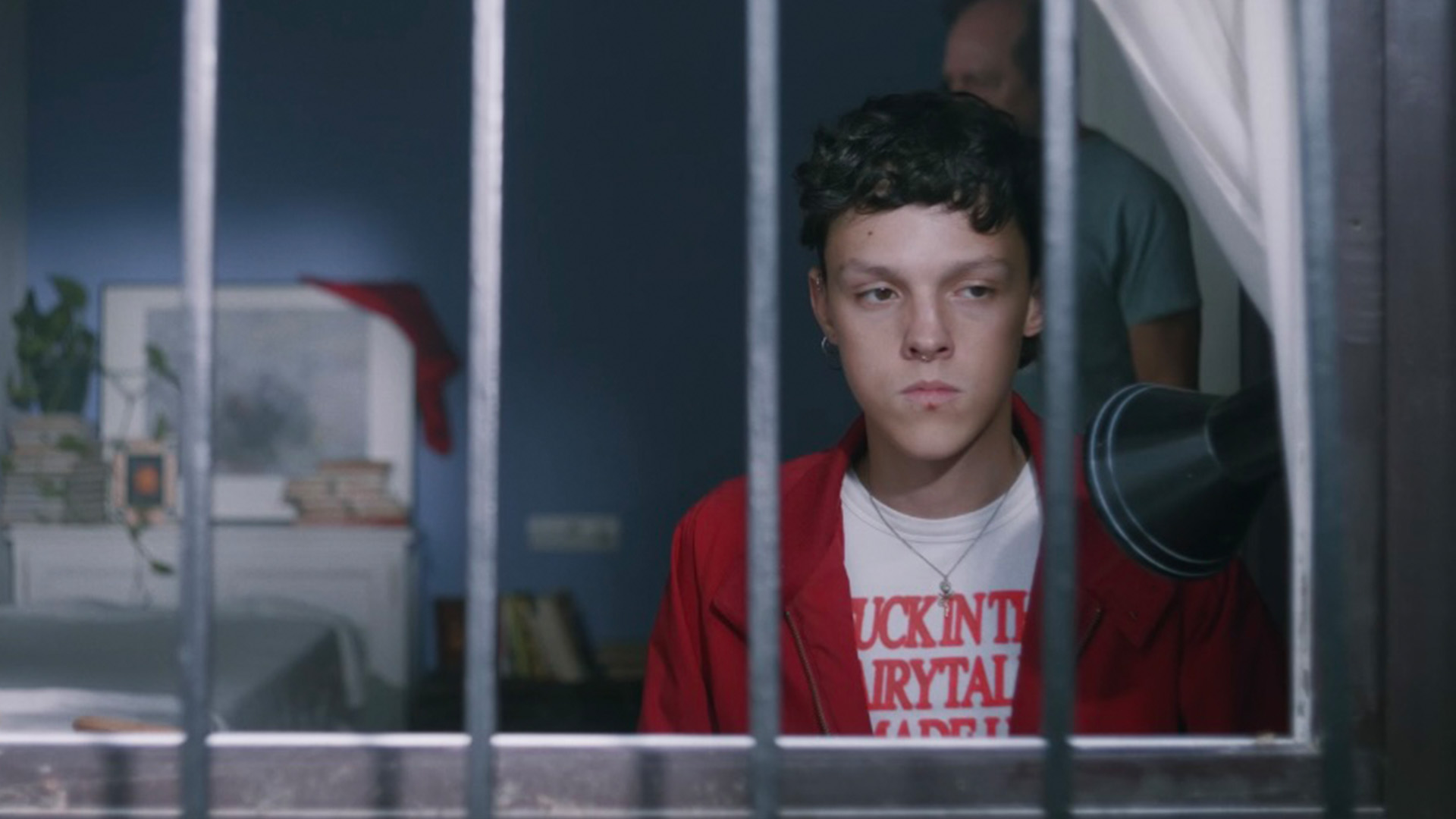
Aditya Nanda Award for Best Indian Film on Queer Mental Health: Not Crazy
The Aditya Nanda Award went to Not Crazy, directed by Lucía Criado Rosas. Rs. 25,000, supported by the Keshav Suri Foundation.
liked%20Story.jpg)
Inaugural Audience Award for Best First Feature: A (Dis)liked Story
New this year, the Audience Award for Best First Feature was voted through the KASHISH app. The inaugural prize went to A (Dis)liked Story, directed by Sai Deodhar, a Marathi-language debut. Those who saw it across the five days described the audience response as the most emotionally connected of the festival.
The closing film
The festival closed with Maspalomas, directed by Aitor Arregi and Jose Mari Goenaga. Vicente, played by José Ramón Soroiz, who won Best Actor at the Goyas for this role, is an elderly gay man who hides his sexuality after moving into a nursing home. Nine Goya nominations including Best Director. Already won Best Narrative Feature at Sonoma. It closed KASHISH on its own terms.
The 17th KASHISH Pride Film Festival ran from 3 to 7 June 2026 at Liberty Cinema, Alliance Française de Bombay and the National Gallery of Modern Art, Mumbai.


.svg)



Get weekly updates
Follow us -
@theFLICKERMAGAZINE


.png)
Join Our Newsletter
Get a weekly selection of curated articles from our editorial team.
Join Our Newsletter
Get a weekly selection of curated articles from our editorial team.