


Hit Enter to Search or X to close
Dark Solitude, a photographic series by Elizabeth Glazko
Elizabeth Glazko’s Dark Solitude uses cinematic still images to explore silence as strength, shown at Mriya Gallery in Tribeca.
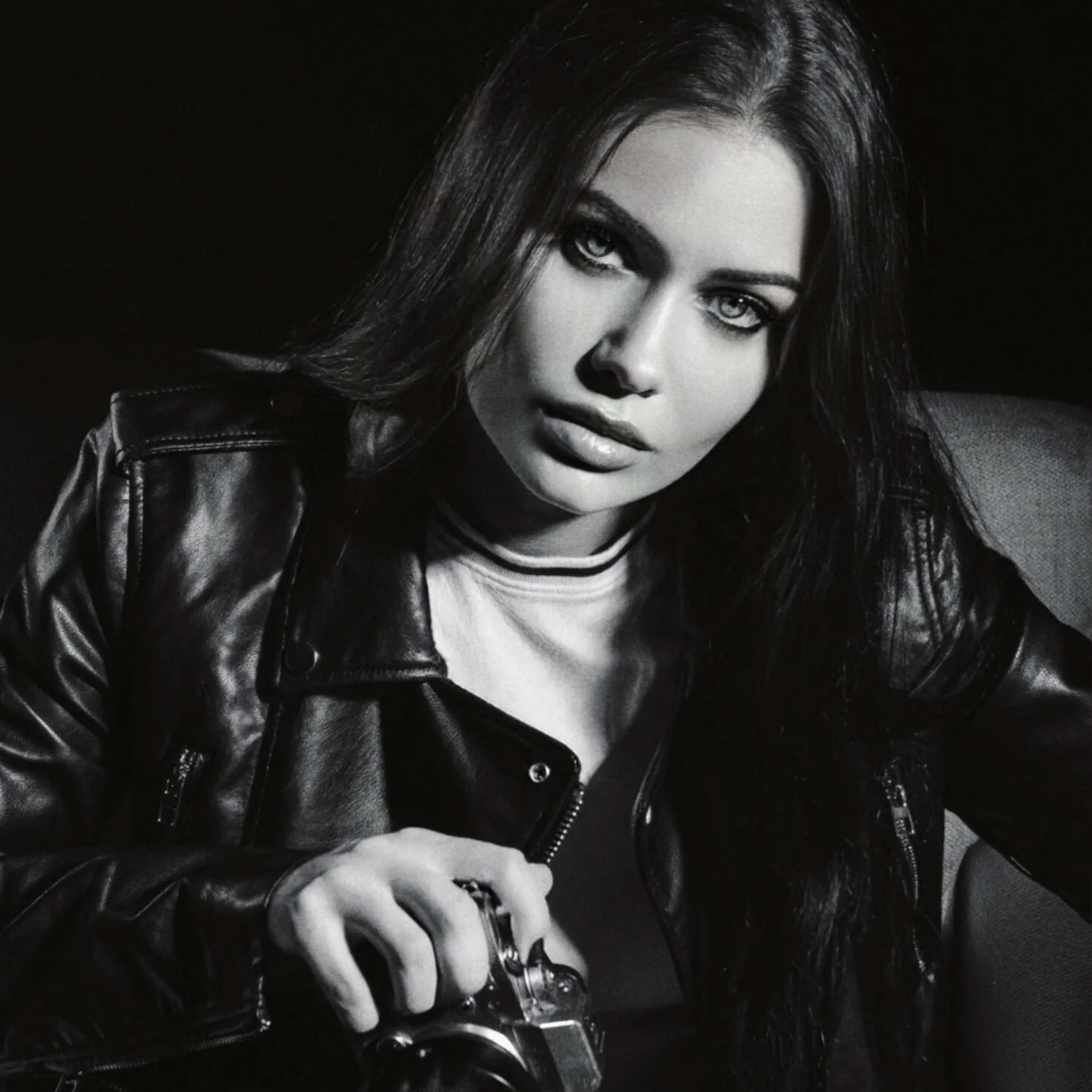
Dark Solitude, a photographic series by Elizabeth Glazko


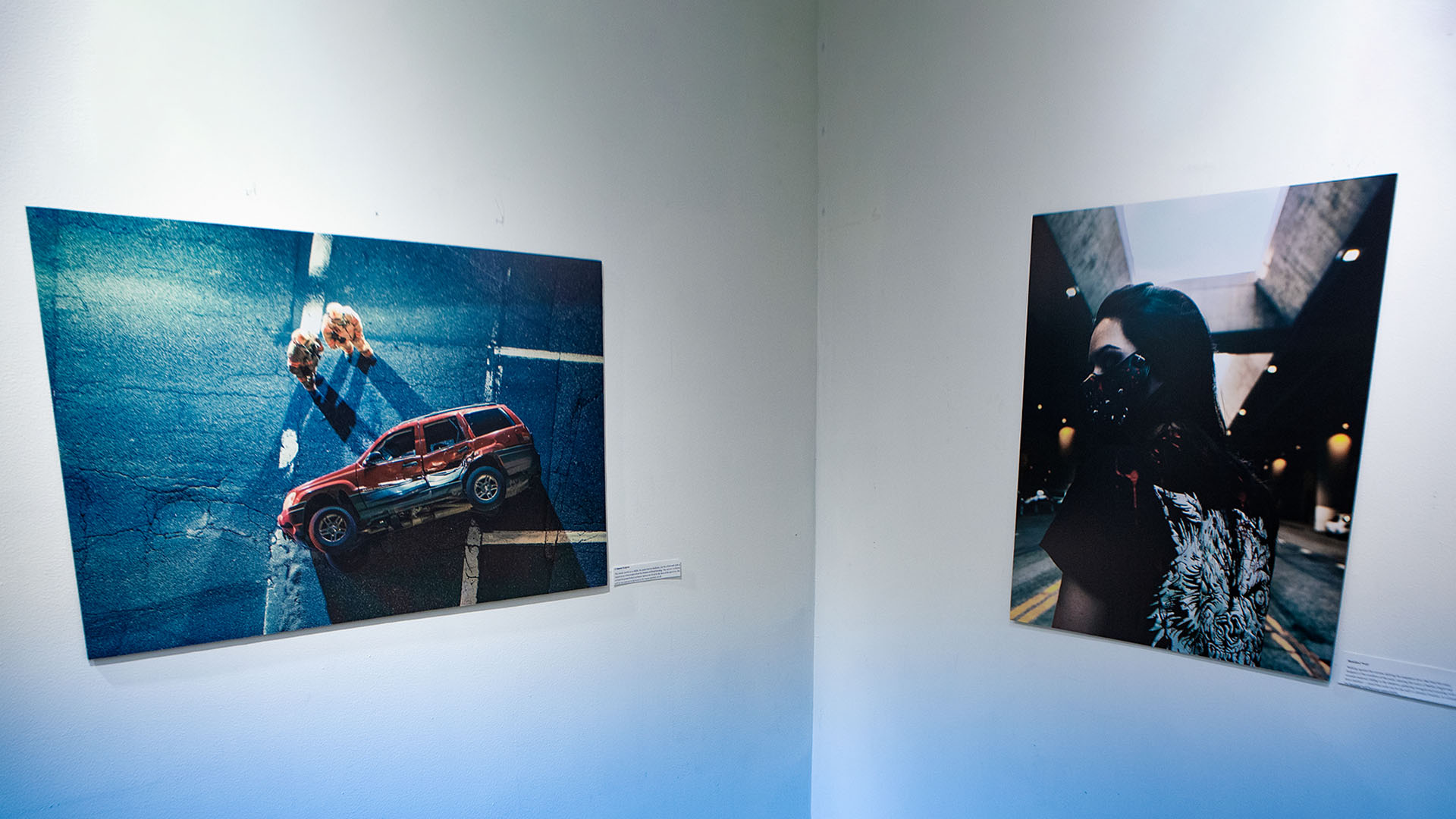
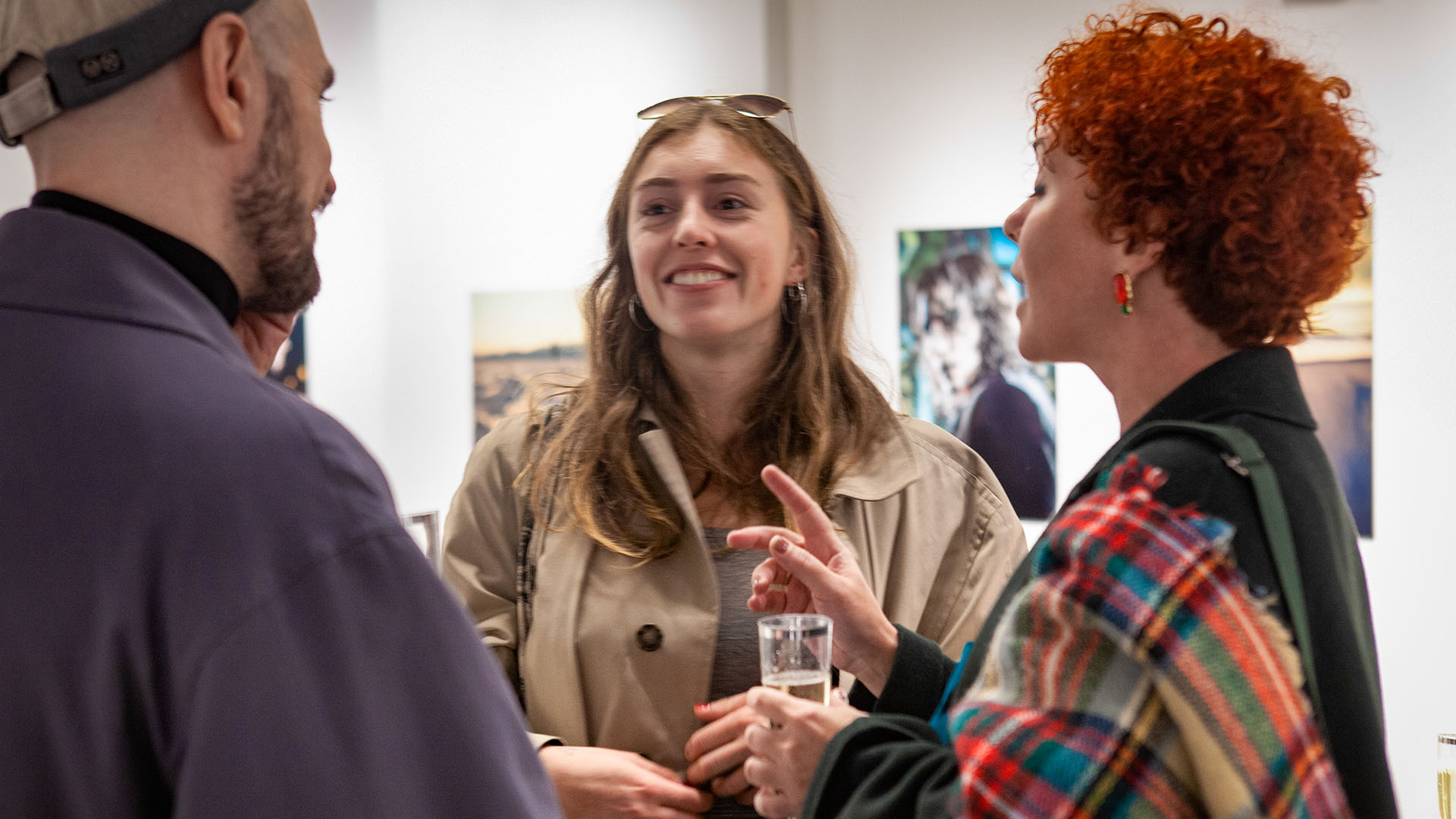
At the close of last year, Mriya Gallery hosted Dark Solitude, a photographic exhibition by Elizabeth Glazko, curated by Oleksii Didihurov. The exhibition unfolded as a quiet passage into solitude, not framed as absence or retreat, but as a state where inner strength takes shape. From the first room, the pace slows. The work does not ask to be consumed. It asks you to stay.
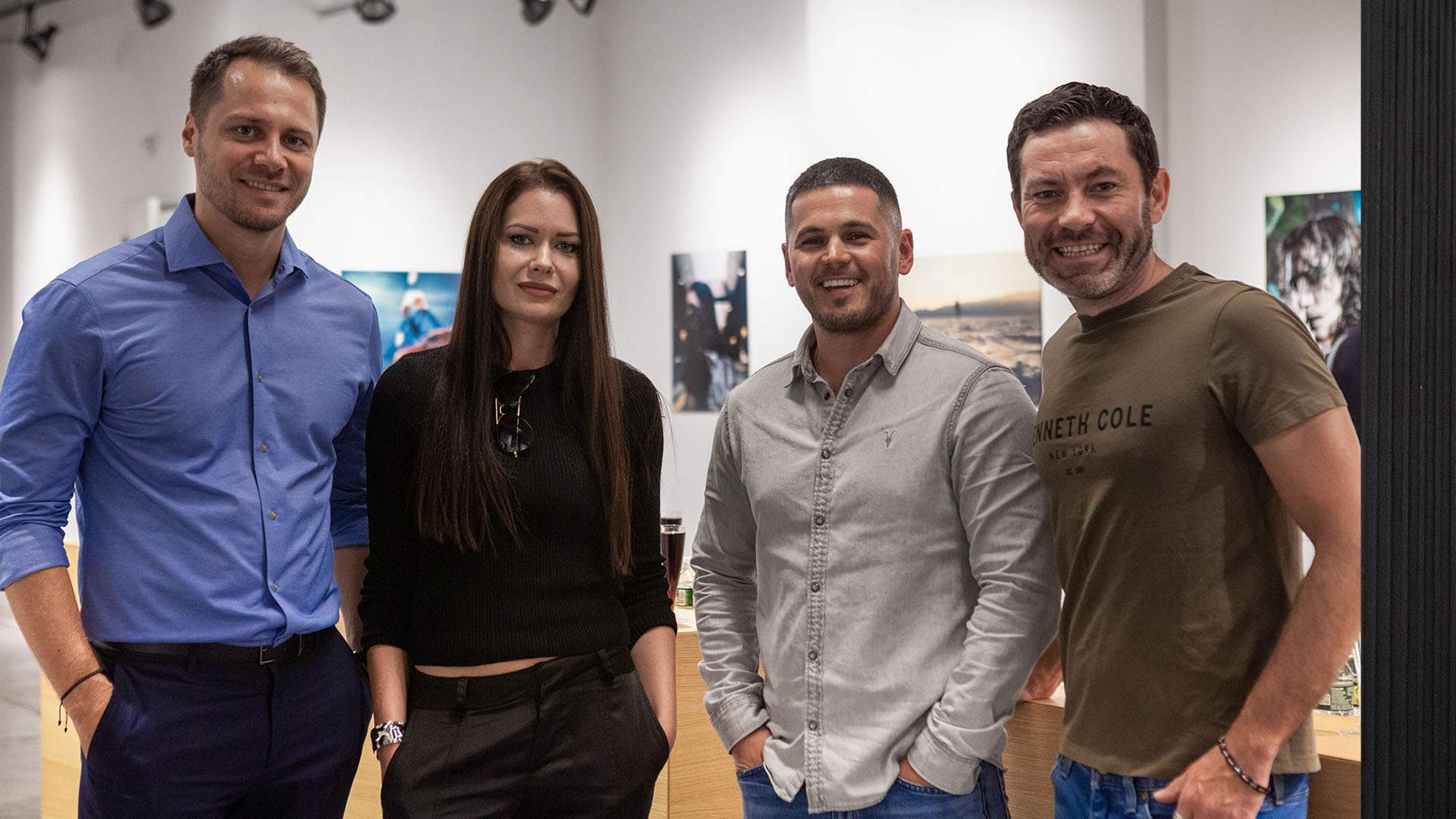
Glazko approaches photography as a narrative form. Each image feels like a paused scene, caught between what has just happened and what might come next. The tension lives in what remains unsaid. There is no push toward clarity or resolution. Instead, the images hold space for reflection, inviting you to enter the frame rather than read it from a distance. Darkness is present throughout, not as something to resist, but as a setting where attention sharpens and feeling deepens.
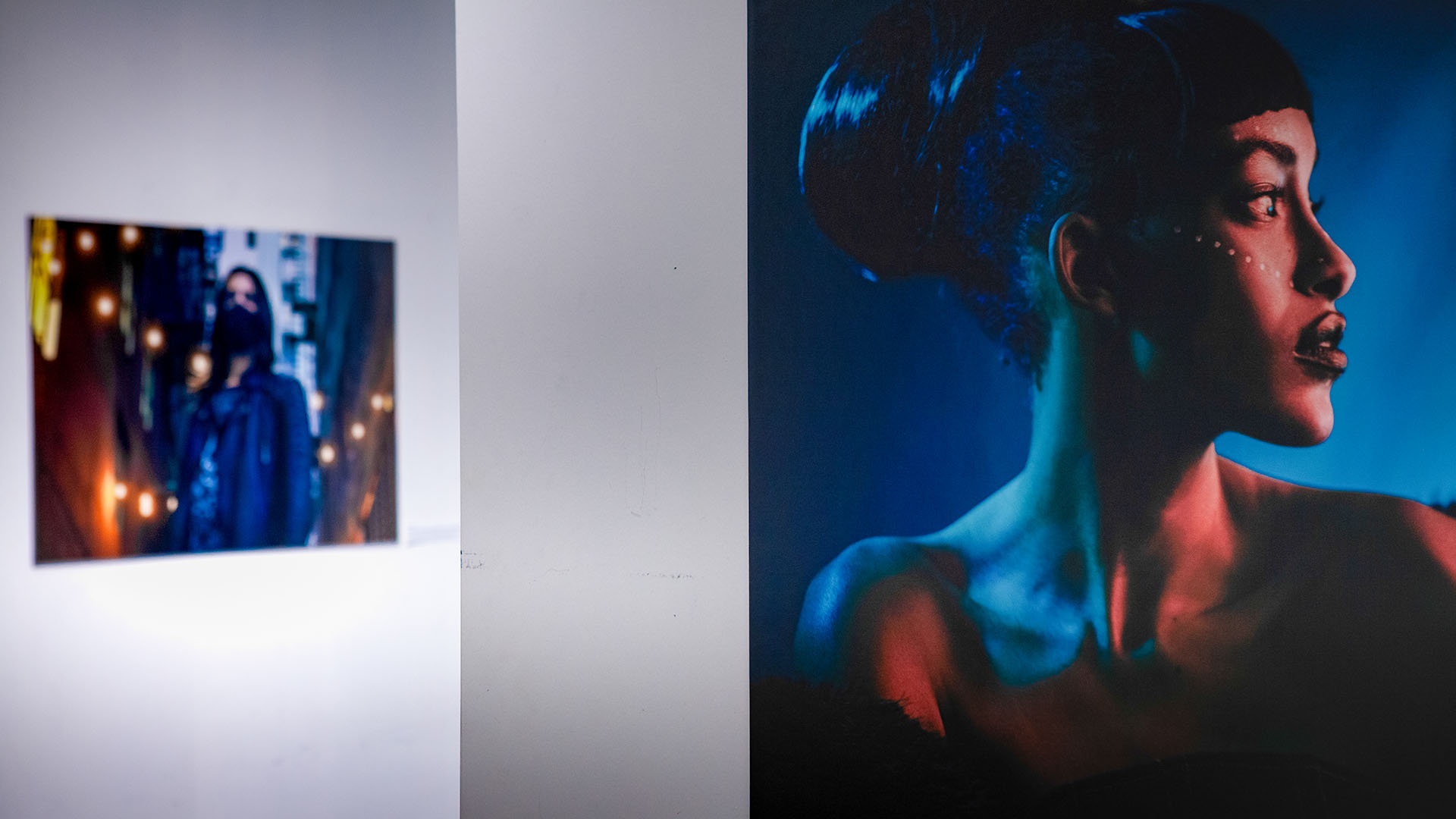
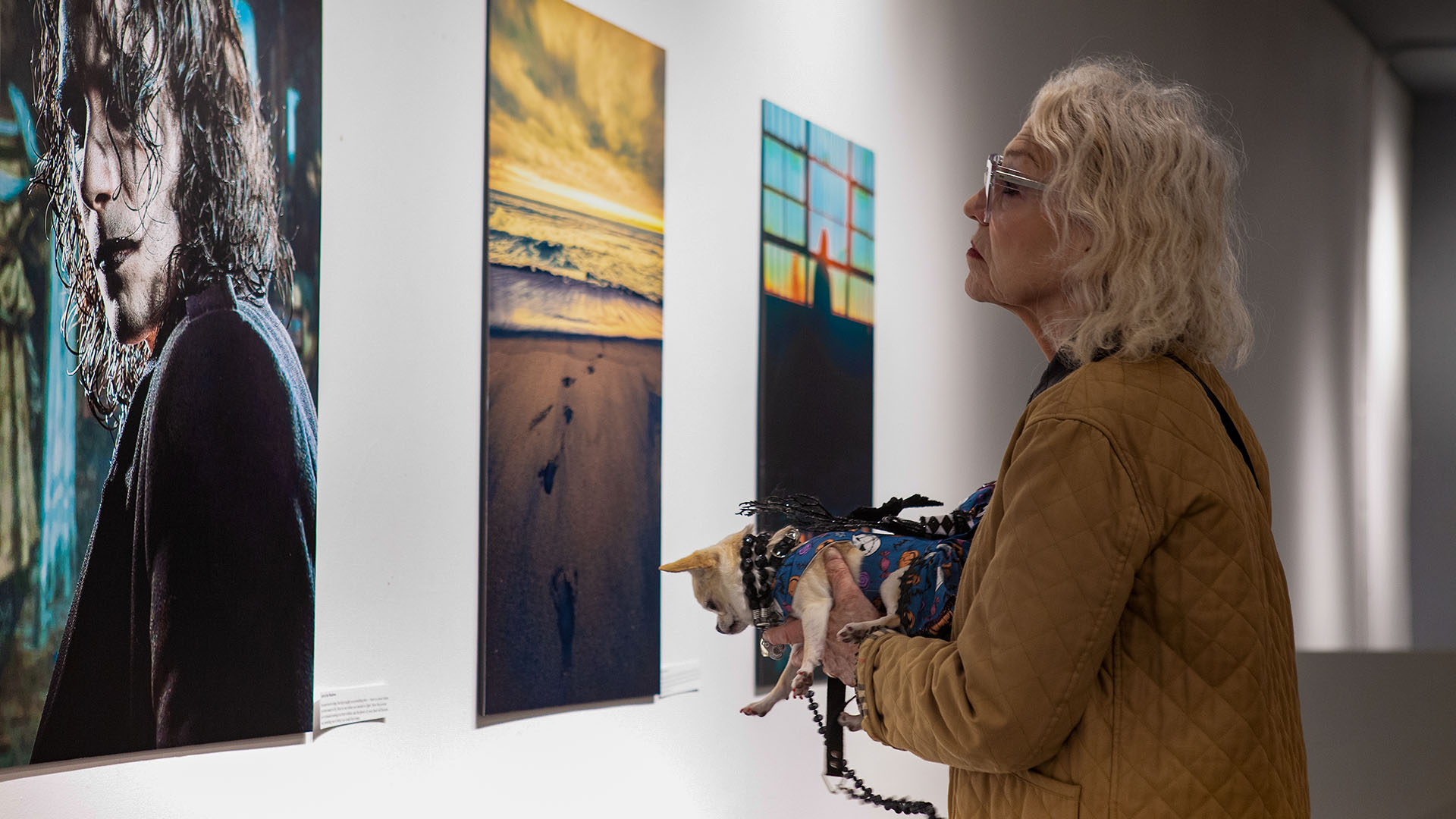
The series is built around recurring motifs that return like fragments of a private journey. Night roads stretch into the unknown. Solitary figures appear suspended in thought. Cars pause under bridges, caught between movement and stillness. Masks, shadows, and artificial light shape faces and bodies into something slightly removed from the everyday. Works such as Crimson Enigma, Lone Voyage, Banished Wolf, Silent Force, and Between Two Worlds unfold like chapters of a film that refuses to explain itself. Each photograph is paired with a short text, not to decode meaning, but to open another emotional register that runs alongside the image.
In Banished Wolf, solitude reads as exile and resolve at once, a portrait of those who choose to move against the current even when it costs them belonging. Silent Force turns attention toward endurance, suggesting that strength does not need display or permission to exist. Across the series, Glazko treats silence as an active state, something held rather than endured. The absence of noise becomes a form of presence.
Glazko’s background across photography and filmmaking is felt in the way each image carries a sense of motion without arrival. The work suggests story, yet nothing concludes. She resists visual trends and external expectations, choosing restraint and inward focus over immediacy. In a culture shaped by constant stimulus, this refusal feels deliberate. The viewer is left with anticipation rather than answers, carrying the images beyond the gallery walls.
Dark Solitude frames silence as a choice with weight. In this exhibition, solitude is not positioned as weakness or escape, but as a source, a place where identity shifts quietly and strength returns on its own terms.


.svg)



Get weekly updates
Follow us -
@theFLICKERMAGAZINE


.png)
Join Our Newsletter
Get a weekly selection of curated articles from our editorial team.
Join Our Newsletter
Get a weekly selection of curated articles from our editorial team.