


Hit Enter to Search or X to close
Irish Film Festival London 2025 celebrates Irish storytelling with warmth and openness
Four houses sold out. People stayed after the credits. A festival that felt less like a programme and more like a room where everyone was glad to be there.
Irish Film Festival London 2025 celebrates Irish storytelling with warmth and openness

It has been two weeks since the Irish Film Festival London came to a close, yet the feeling of it has stayed. This edition carried a warmth that settled gently across every screening and conversation. The week felt open, welcoming and full of people who arrived ready to listen, to share and to sit with stories that asked for attention and care.
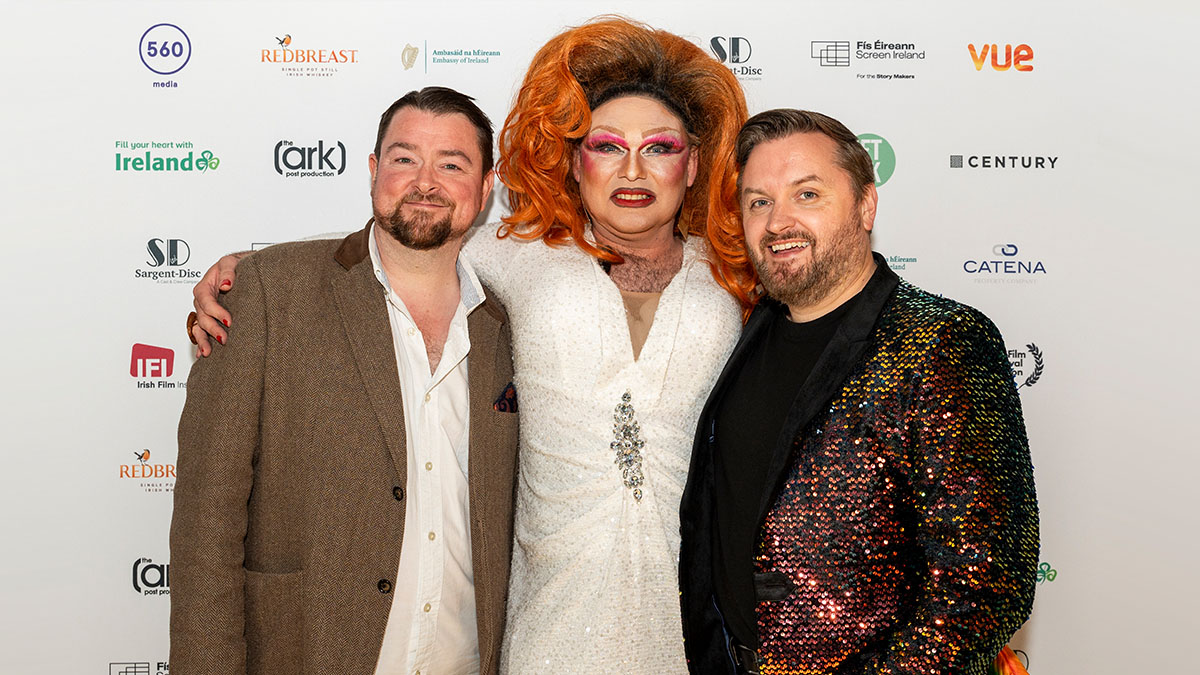
That atmosphere had been building long before November. Earlier in the year, Irish Film and Television UK held its first Pride Film Festival at the Century Club. The event marked ten years of marriage equality in Ireland and brought together the London Irish LGBT Network, Peccadillo Pictures and Screen Ireland. It gathered queer Irish filmmakers, drag performers, musicians and storytellers. Carey Fitzgerald, Chair of IFTUK, led the initiative, with Derek Murphy shaping the curated programmes and Drag Performer Orla Nothin bringing a joyful spark. That festival planted a feeling of openness that continued into the main programme and helped shape the tone of the year.
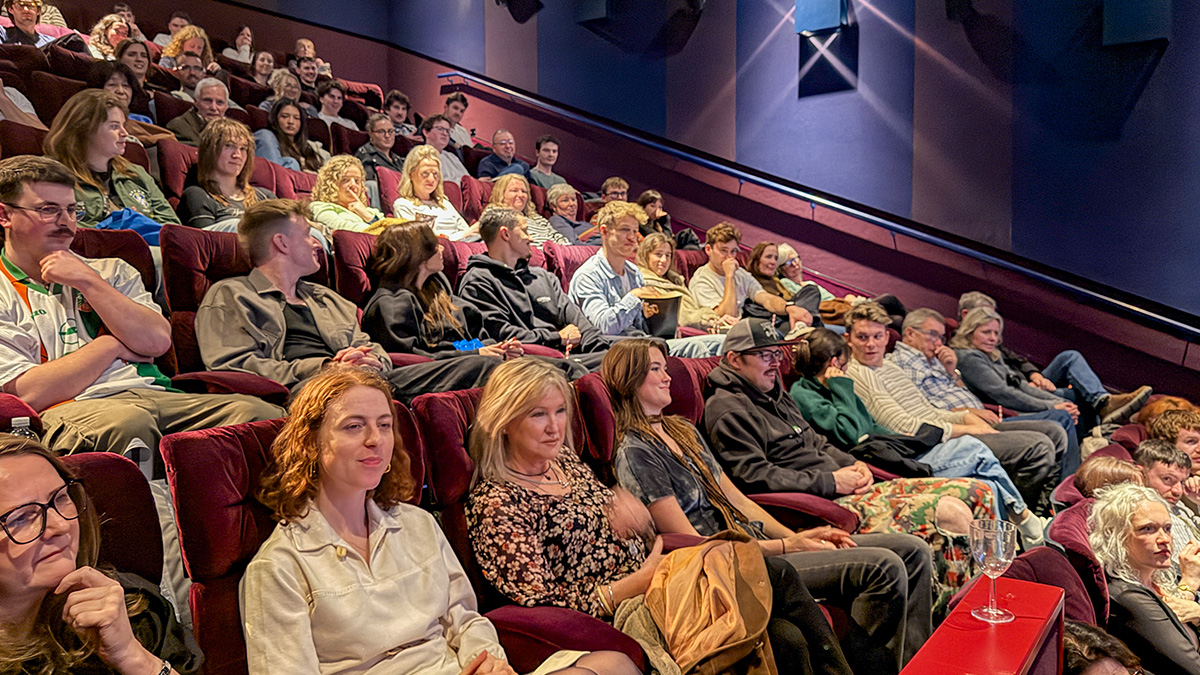
The November festival unfolded across Vue West End, Vue Piccadilly and the ICA. The rooms felt full, not only with audiences but with a sense of gentleness. Many people stayed after the credits, leaning into conversations that formed quietly in the foyers. Michael Hayden, who curated the features, and Natasha Orlando Kappler, who selected the shorts, brought together work that reflected the breadth of Irish storytelling today. Their choices created a rhythm that felt honest and unforced.
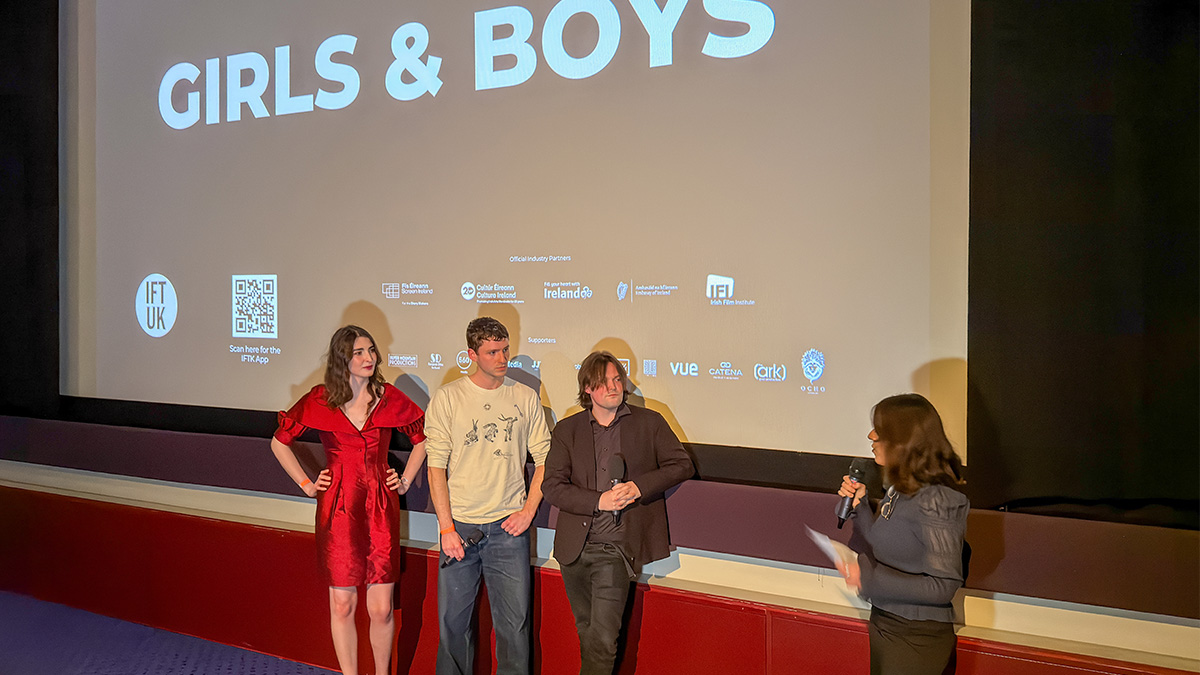
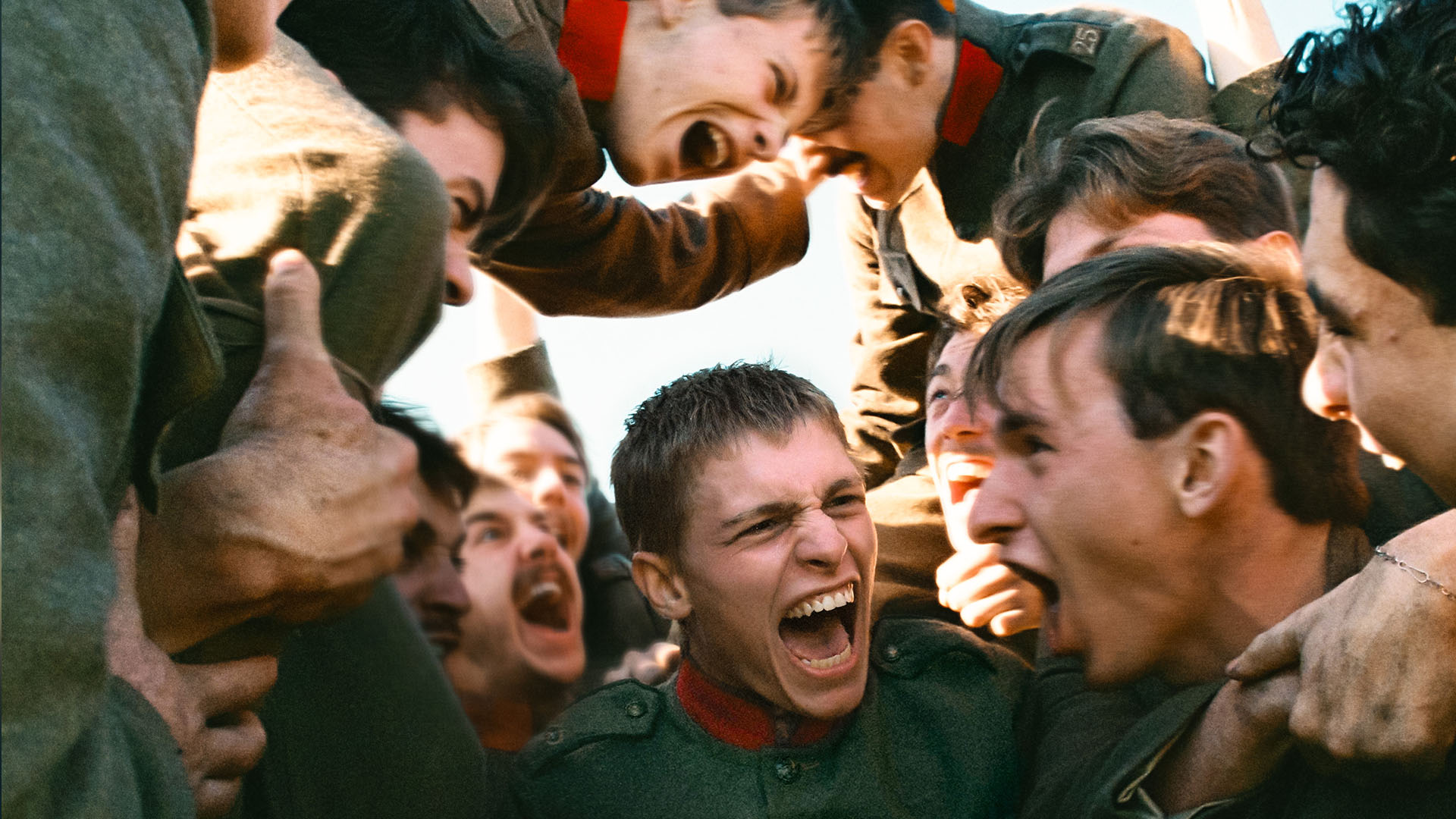
The films moved between youth, memory, conflict and recovery. Trad opened the festival with a road story about a young fiddle player stepping into her own freedom. Celtic Utopia turned its attention to musicians who draw from the past to imagine the future. Saipan revisited one of the most debated moments in Irish sport, not to relive the argument but to reveal the people within it, carried by steady performances from Steve Coogan and Éanna Hardwicke.
Testimony followed the women whose lives were shaped by the Magdalene Laundries and Mother and Baby Homes, while In the Opinion of the Censor traced how decades of film censorship reflected Ireland’s changing identity.
Ready or Not and Girls and Boys explored youth and the fragile thresholds between innocence and adulthood.
Solitary offered a portrait of rural life shaped by grief.
Amanda reflected on art and survival through painter Amanda Cullen’s story.
Korea gave a rare look at Andrew Scott in his first screen role, beautifully restored.
The Swallow closed the festival with Brenda Fricker in a quiet reflection on memory, art and time.
Two New Irish Shorts programmes introduced emerging filmmakers whose work explored identity, family and the echoes people leave behind.
The festival reached more people than ever before. Four houses sold out. Audiences arrived through rain and crowded streets, filling every room with a feeling of ease and togetherness. That spirit carried naturally into the awards ceremony at the Century Club.
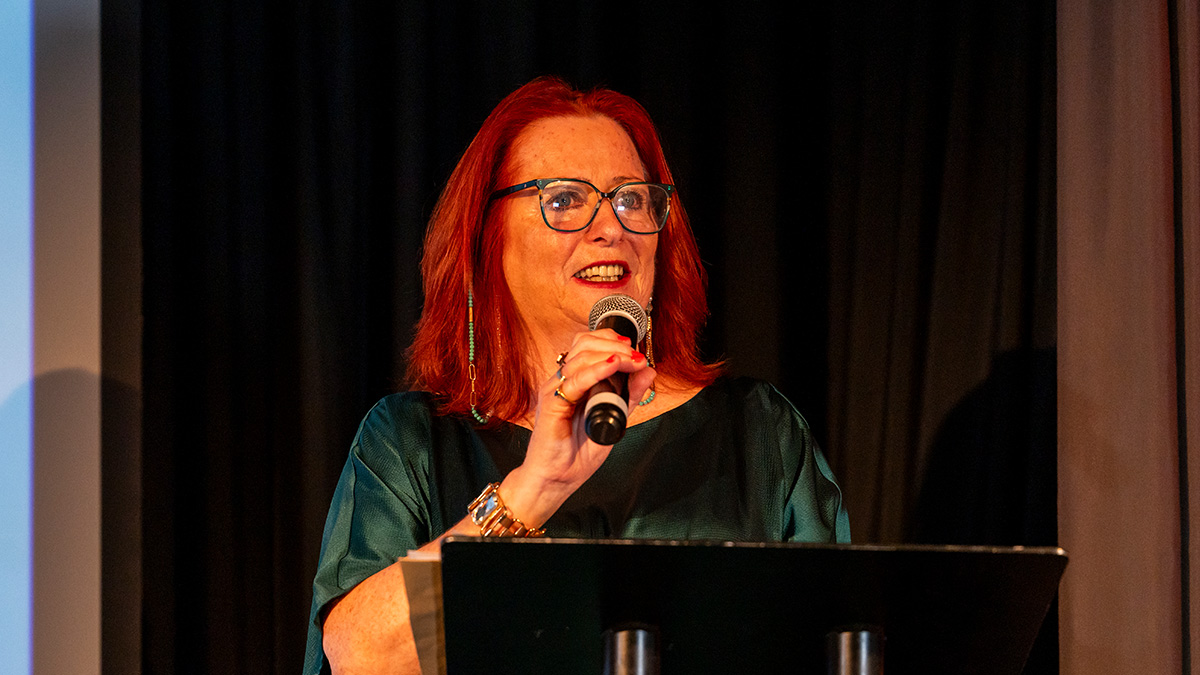
Carey Fitzgerald opened the evening by thanking the filmmakers, partners and audiences who shaped the week. Her words captured the heart of the festival:
“I’d like to thank the incredibly talented filmmakers for allowing us to show their films and the loyal audience that fought their way through the rain and the crowds in London.”
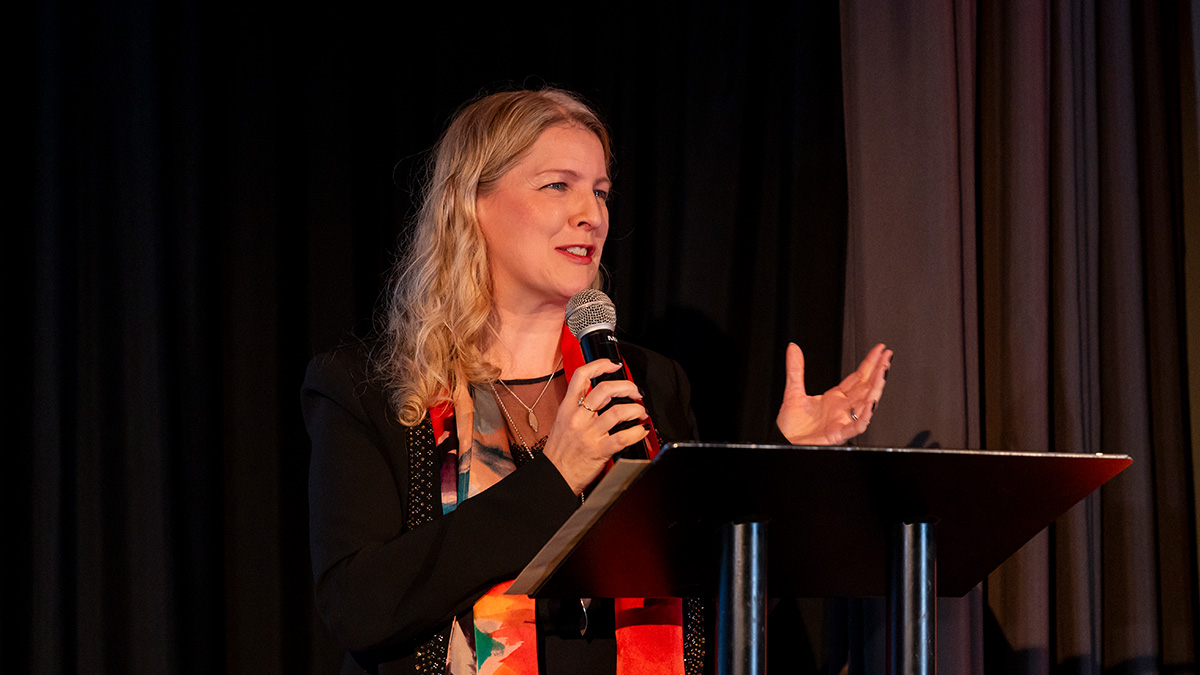
She then welcomed Orla McBreen, Deputy Head of Mission at the Irish Embassy. Orla’s speech blended humour, pride and affection. She lifted the room with a simple line that felt true to the night:
“What better way to brighten up a gloomy, cold Monday evening in London than by celebrating the best of Irish talent on the big screen.”
She went on to share why Irish cinema matters beyond borders:
“Irish film is really a window on the world for our little island.”
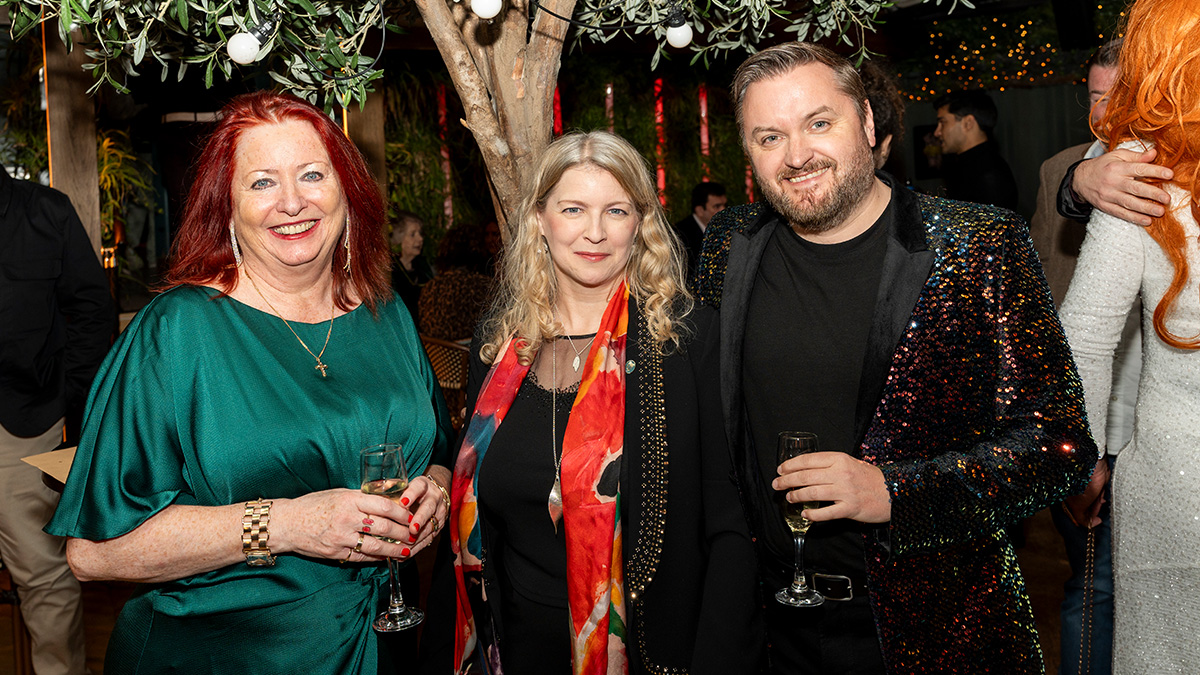
Derek Murphy guided the awards with ease. He introduced the short film category with a thoughtful reflection on this year’s work, calling the selection “rich and diverse in their style, genre and form.” Three Keenings, directed by Oliver McGoldrick, won Best Short Film, praised for “its delicate blend of dark humour and sensitivity, and a stunning performance by its lead actor.” Purebred, directed by Caleb J. Roberts, earned a special mention for “powerful trans representation.”
Testimony received the Best Feature Documentary award. During the presentation, the film was described as “a deeply moving documentary made with remarkable empathy and clarity,” a tribute that reflected how strongly it resonated with audiences throughout the week.
Brenda Fricker was honoured with the Suile Eile Award for her contribution to Irish film. The tribute recognised her long career and her powerful final screen performance in The Swallow. It was a moment that reminded the room of her lasting presence on screen.
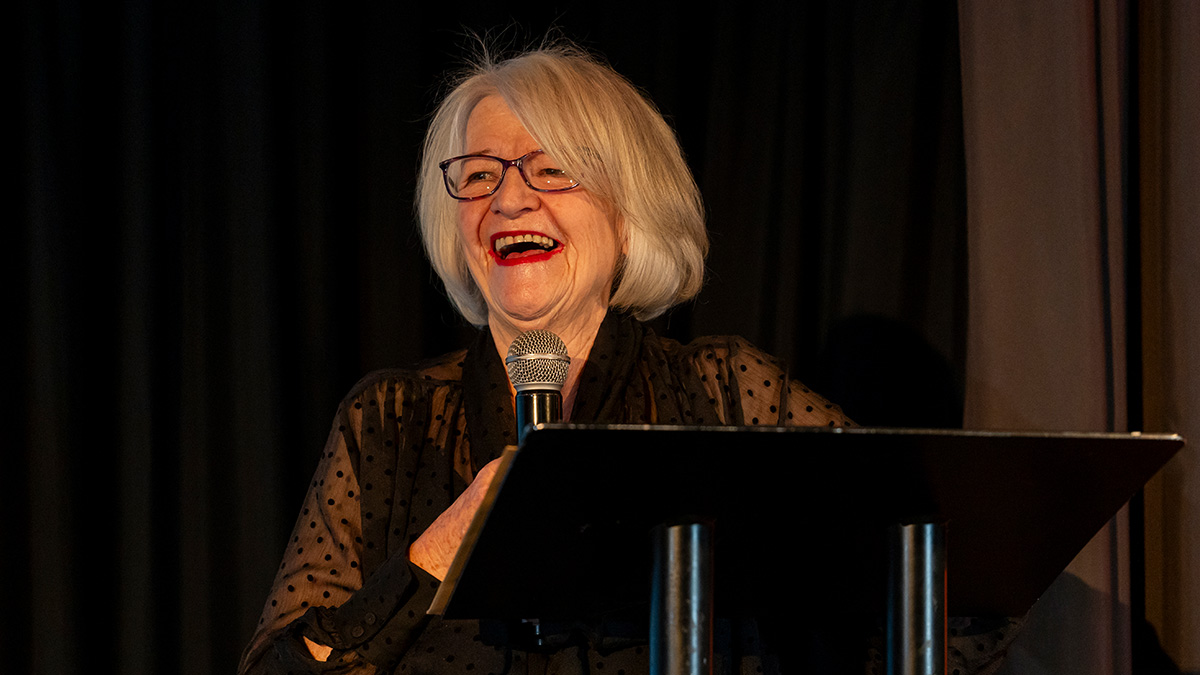
Ros Hubbard then presented the acting award. With her familiar mix of humour and warmth, she spoke about the strength of Irish performers and the honesty they bring to their work:
“The gift of the Irish actor is that it never feels like acting. You believe them.”
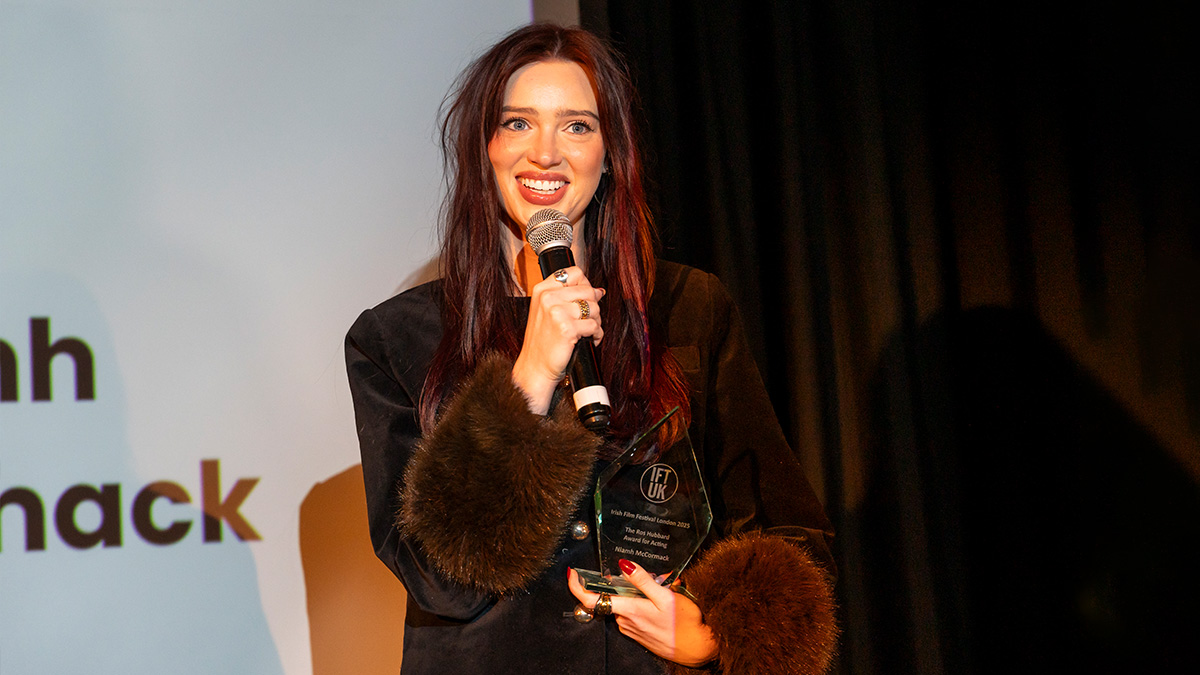
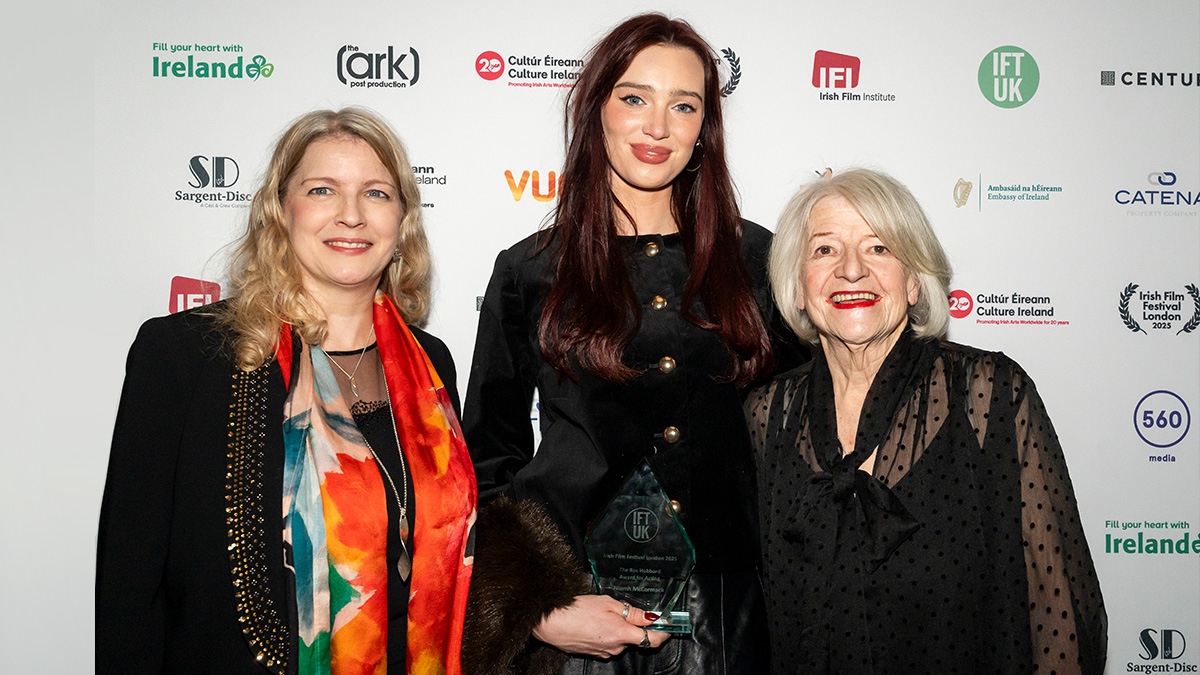
The Ros Hubbard Award for Acting went to Niamh McCormack, who accepted with gratitude and pride, ending with a line that carried clearly across the room:
“Irish women are the strongest people I know.”
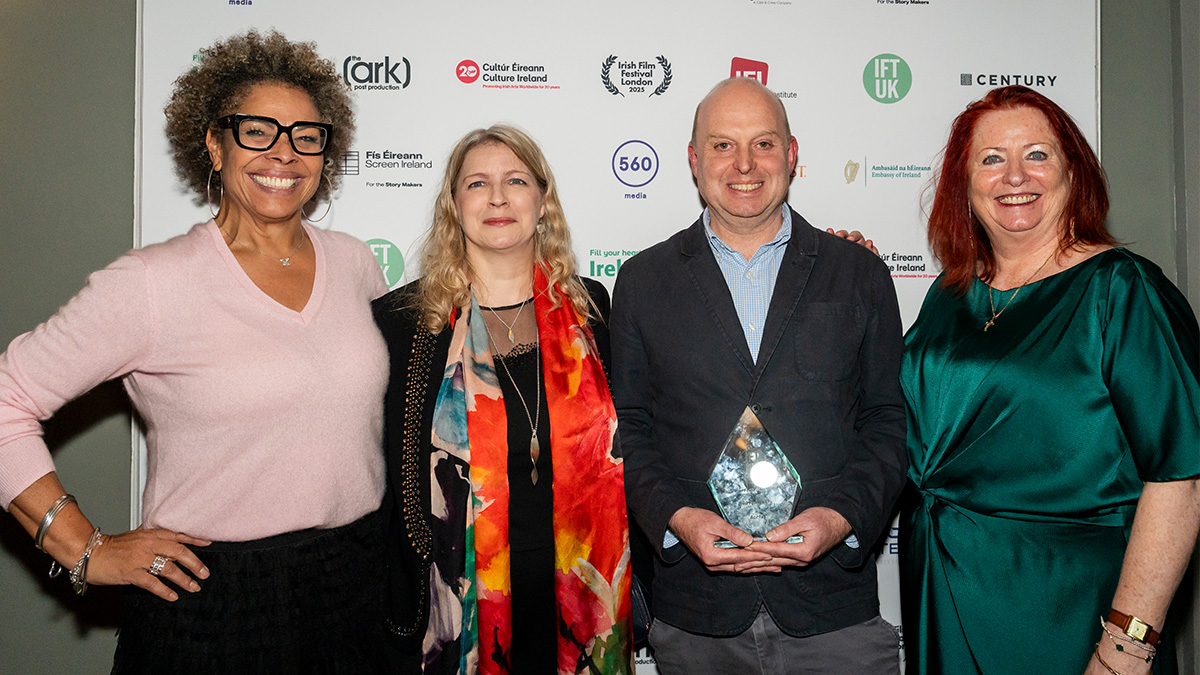
Aontas, directed by Damian McCann, received Best Feature Film. The jury praised its bold structure, strong performances and deep sense of Irish identity.
Throughout the evening, Drag Performer Orla Nothin added lightness and laughter, guiding the room away from formality and keeping the celebration relaxed and human.
IFTUK continued its commitment to access by releasing a selection of new Irish short films for free on the IFTUK App, giving more people the chance to connect with the festival’s work from home.
Irish Film Festival London 2025 reminded audiences why these stories matter. Each film carried honesty and care. Each event offered a moment of connection. The festival left people with the sense that they had not only seen films, but had also stepped into a space shaped by openness, generosity and a shared love of storytelling.
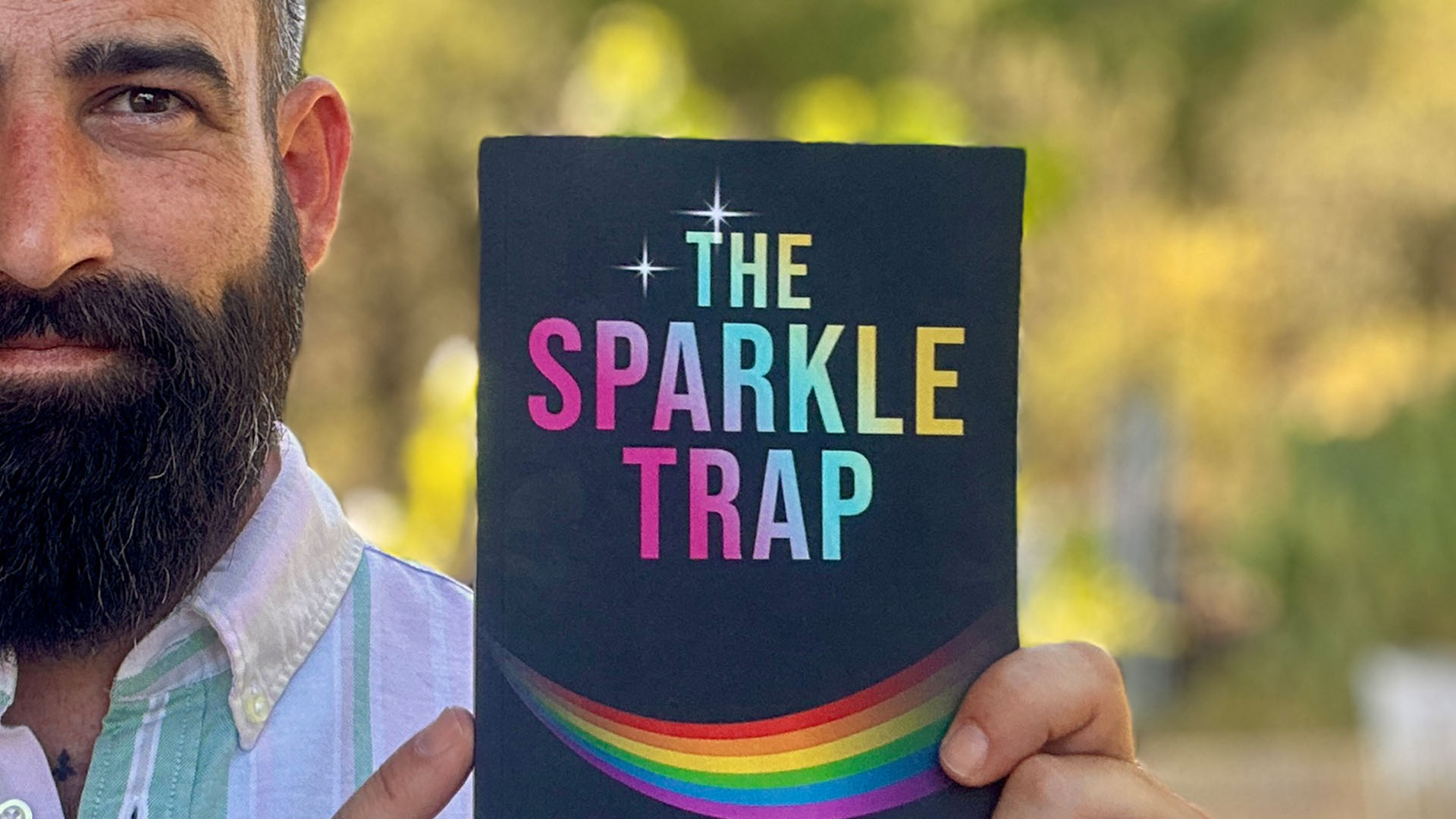
Photo by Ali Khadr @beardvoyage and LEXME Media Group.


.svg)



Get weekly updates
Follow us -
@theFLICKERMAGAZINE


.png)
Join Our Newsletter
Get a weekly selection of curated articles from our editorial team.
Join Our Newsletter
Get a weekly selection of curated articles from our editorial team.