


Hit Enter to Search or X to close
Teddy Awards 2026 at Berlinale celebrate 40 years of queer cinema
A full guide to the Teddy Awards 2026 at Berlinale, including film selections, the TEDDY 40 retrospective, talks, panels, and ceremony information.
Teddy Awards 2026 at Berlinale celebrate 40 years of queer cinema

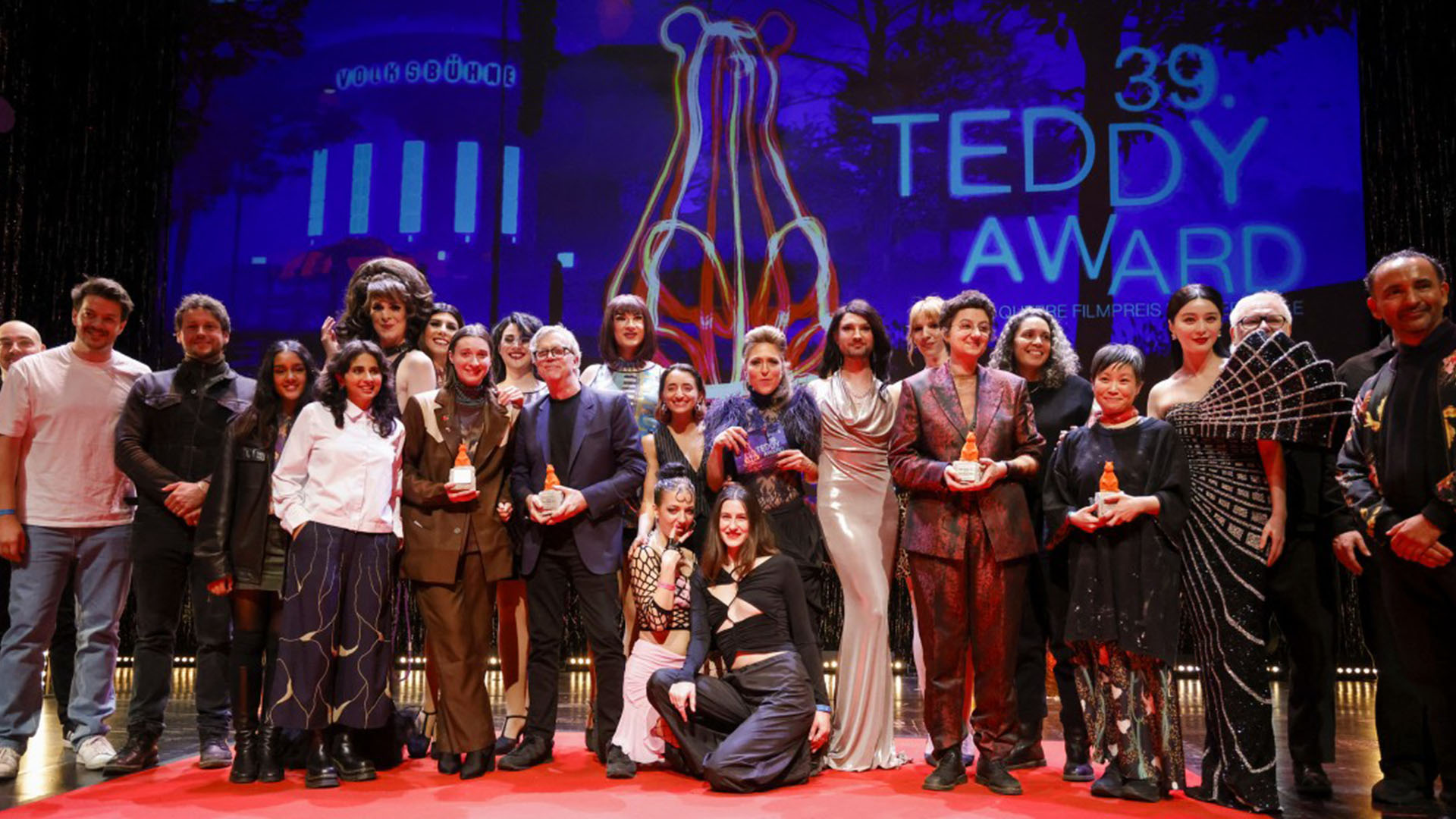
The Teddy Awards return to the Berlin International Film Festival in 2026, marking forty years since the prize was first introduced. First presented in 1987, the Teddy Award remains the longest running queer film prize embedded within a major international film festival, existing alongside earlier LGBTQ+ film festivals such as Frameline in San Francisco and BFI Flare in London, both of which also mark four decades of history this year.
The 76th edition of the Berlin International Film Festival runs from 12 to 22 February. As in previous years, films considered for the Teddy Awards are drawn from across the festival rather than from a separate section. Feature films, documentaries, short films, and expanded works appear throughout the programme, keeping queer cinema part of the Berlinale schedule itself.
From 2025, winning the TEDDY Best Documentary or Essay Film entitles a film to take part in the competition for the Oscar® for Best Documentary Feature, placing the award within the Academy’s official qualification pathway.
The 2026 edition includes new titles alongside the TEDDY 40 retrospective. These screenings place key works from queer film history within the Berlinale programme, shown alongside contemporary films rather than apart from them. The selection reflects how queer cinema has remained present at the festival over time, moving between political urgency, personal stories, formal experimentation, and collective memory.
This year’s Special Teddy Award is presented to Céline Sciamma. Her work has shaped how gender, desire, and youth are portrayed on screen, often through restrained storytelling and careful observation. Sciamma previously received a Teddy Award for Tomboy, and the 2026 honour recognises the wider impact of her contribution to queer cinema.
Beyond the screenings, the Teddy programme extends into discussion and industry space. An introduction to the queer films of Berlinale takes place on 5 February at the Roter Salon at Volksbühne. The festival also hosts a series of talks and panels, including TEDDY Talk: 40 Years of Queer Cinema, TEDDY Talents Talks, and TEDDY Talk: Queer Creations, alongside Directors Exchange sessions and the Queer Industry Reception. These events bring filmmakers, programmers, and producers together to reflect on past developments and current conditions within queer film culture.

The Teddy Awards ceremony takes place on 20 February 2026 at the Volksbühne Berlin, beginning at 20:30, followed by the Teddy After Show Party in the same venue. Awards are presented for Best Feature Film, Best Documentary or Essay Film, Best Short Film, Jury Award, and the Special Teddy Award. Tickets for the ceremony and related events are available through the Volksbühne Berlin ticket shop.
The 2026 Teddy selection includes 45 contemporary films, made up of 27 feature films, 9 documentary or essay films, and 9 short films, alongside one Forum Expanded exhibition, representing filmmakers from more than 30 countries across the Berlinale programme.
Alongside the current selection, the TEDDY 40 retro section presents 14 films, revisiting key works from queer film history as part of the Berlinale itself.
Feature films
- Rosebush Pruning (2026, Italy, Germany, Spain, UK), Karim Aïnouz — intimate power and emotional control
- Dust (2026, Belgium, Poland, Greece, UK), Anke Blondé — distance and erosion
- Rose (2026, Austria, Germany), Markus Schleinzer — family pressure and identity
- À voix basse (In a Whisper) (2026, France, Tunisia), Leyla Bouzid — desire shaped by silence
- Die Blutgräfin (The Blood Countess) (2026, Austria, Luxembourg, Germany), Ulrike Ottinger — myth and gender power
- Saccharine (2025, Australia), Natalie Erika James — attachment and unease
- Where To? (2026, Israel, Germany), Assaf Machnes — movement and belonging
- Animol (2026, UK), Ashley Walters — masculinity and vulnerability
- Der Heimatlose (Trial of Hein) (2026, Germany), Kai Stänicke — identity under judgement
- Mouse (2026, USA), Kelly O’Sullivan & Alex Thompson — intimacy and routine
- Staatsschutz (Prosecution) (2026, Germany), Faraz Shariat — surveillance and state power
- Rumaragasa (Raging) (2025, Philippines), Ryan Machado — desire in charged environments
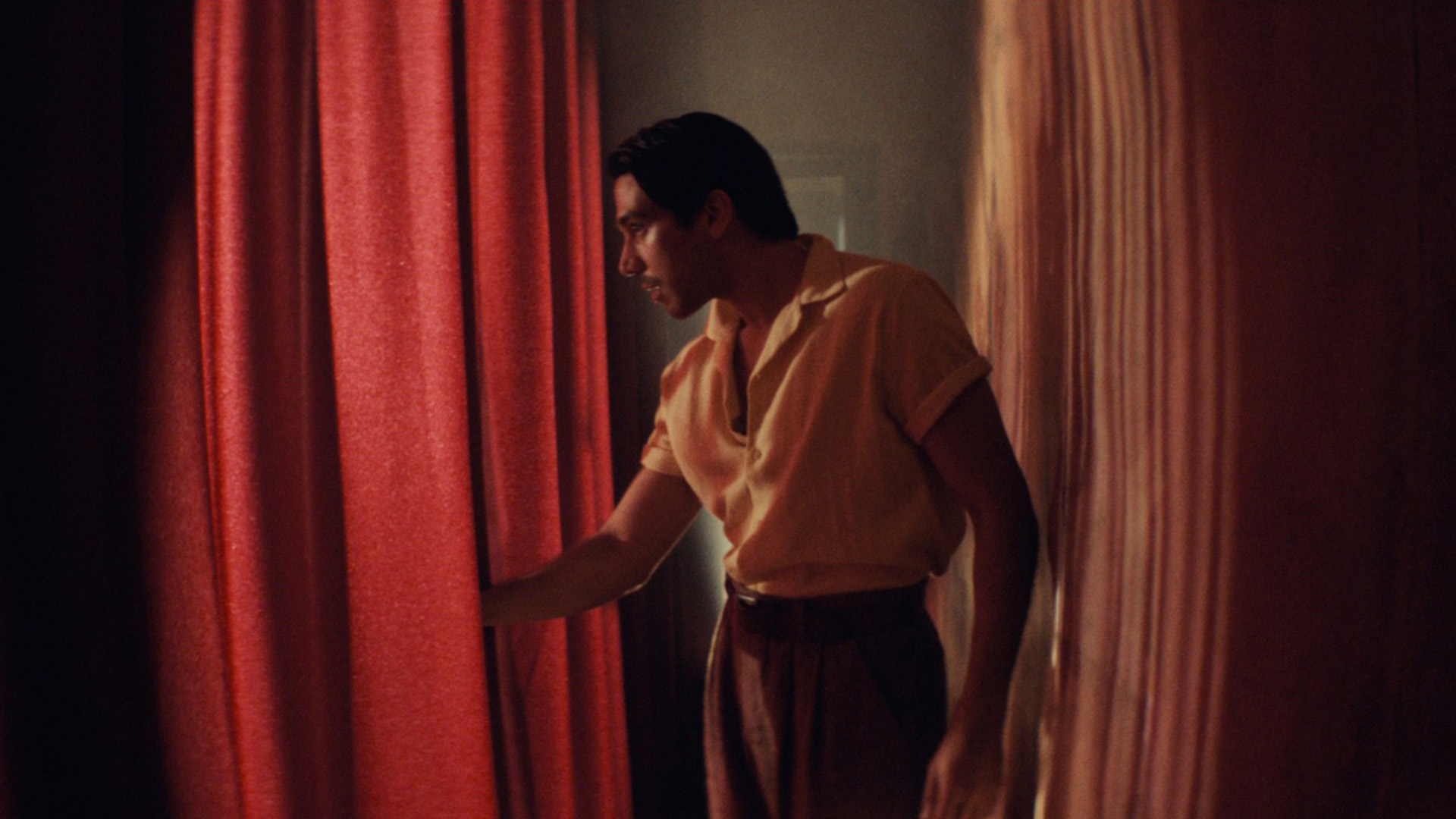
- The Education of Jane Cumming (2026, Germany, Switzerland, UK), Sophie Heldman — authority and self awareness
- Iván & Hadoum (2026, Spain, Germany, Belgium), Ian de la Rosa — love and displacement
- Enjoy Your Stay (2026, Switzerland, France, Philippines), Dominik Locher & Honeylyn Joy Alipio — care and emotional drift
- Narciso (2026, Paraguay, Germany, Uruguay, Brazil, Portugal, Spain, France), Marcelo Martinessi — obsession and reflection
- Everyone’s Sorry Nowadays (2026, Belgium, Netherlands, Germany), Frederike Migom — guilt and family space
- Feito Pipa (Gugu’s World) (2026, Brazil), Allan Deberton — memory through youth
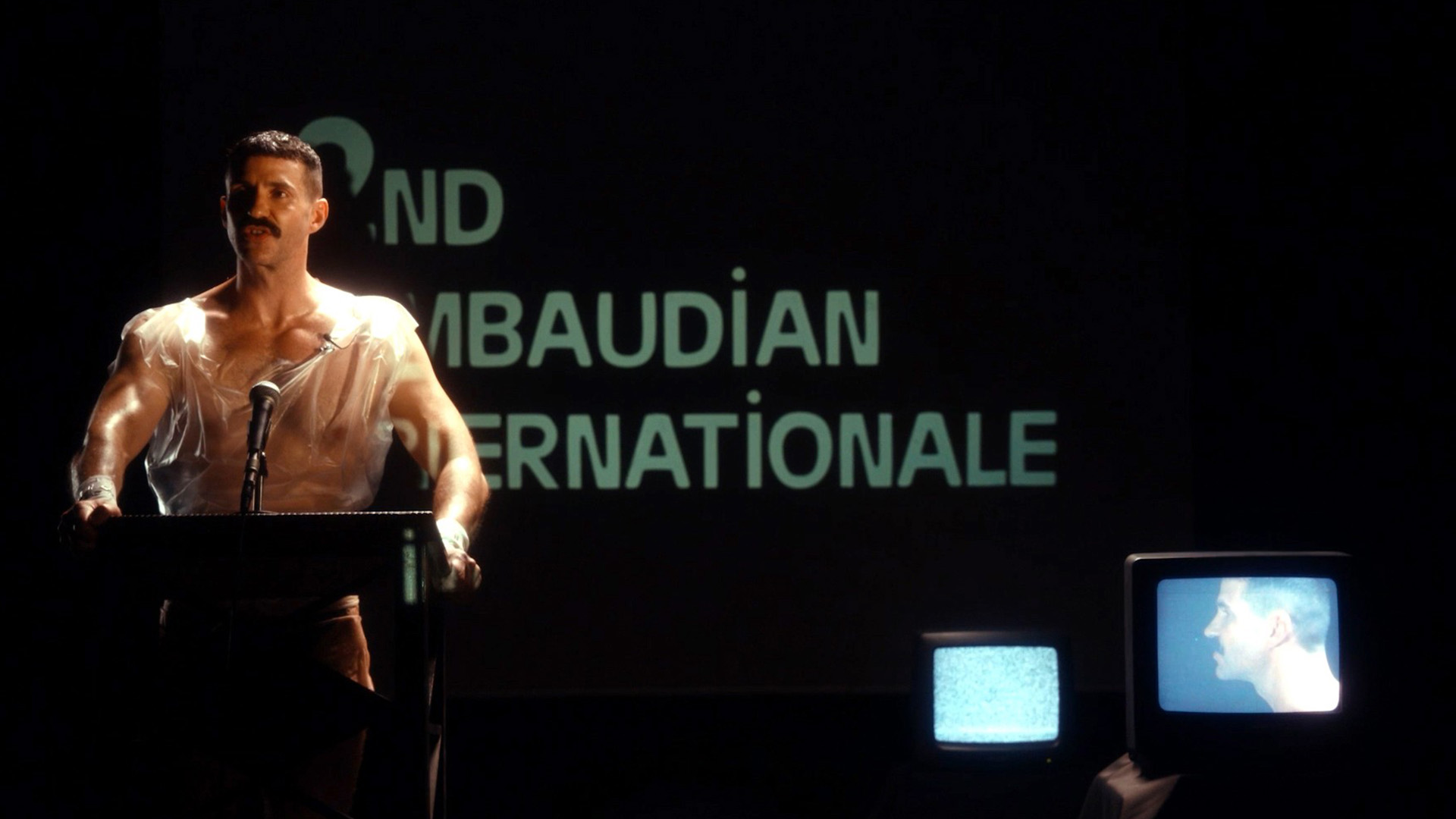
- No Salgas (Don’t Come Out) (2026, Dominican Republic), Victoria Linares Villegas — fear and secrecy
- Black Burns Fast (2025, South Africa), Sanduela Asanda — speed and survival
- Cesarean Weekend (2026, Iran), Mohammad Shirvani — bodies and systems
- I Built a Rocket Imagining Your Arrival (2026, Brazil), Janaína Marques — longing and distance
- Joy Boy: A Tribute to Julius Eastman (2026, Belgium), collective — legacy and sound
- Uchronia (2026, Greece, Netherlands), Fil Ieropoulos — queer futures
Documentary and essay films
- The Ballad of Judas Priest (2026, USA), Sam Dunn, Tom Morello.
- Jaripeo (2026, Mexico, USA, France), Efraín Mojica, Rebecca Zweig.
- Bucks Harbor (2026, USA), Pete Muller.
- Two Mountains Weighing Down My Chest (2026, Germany, Netherlands), Viv Li.
- The Hidden Face of the Earth (2026, France), Alain Arnaud.
- What Will I Become? (2026, USA), Lexie Bean, Logan Rozos.
- Prénoms (Given Names) (2026, France), Nurith Aviv.
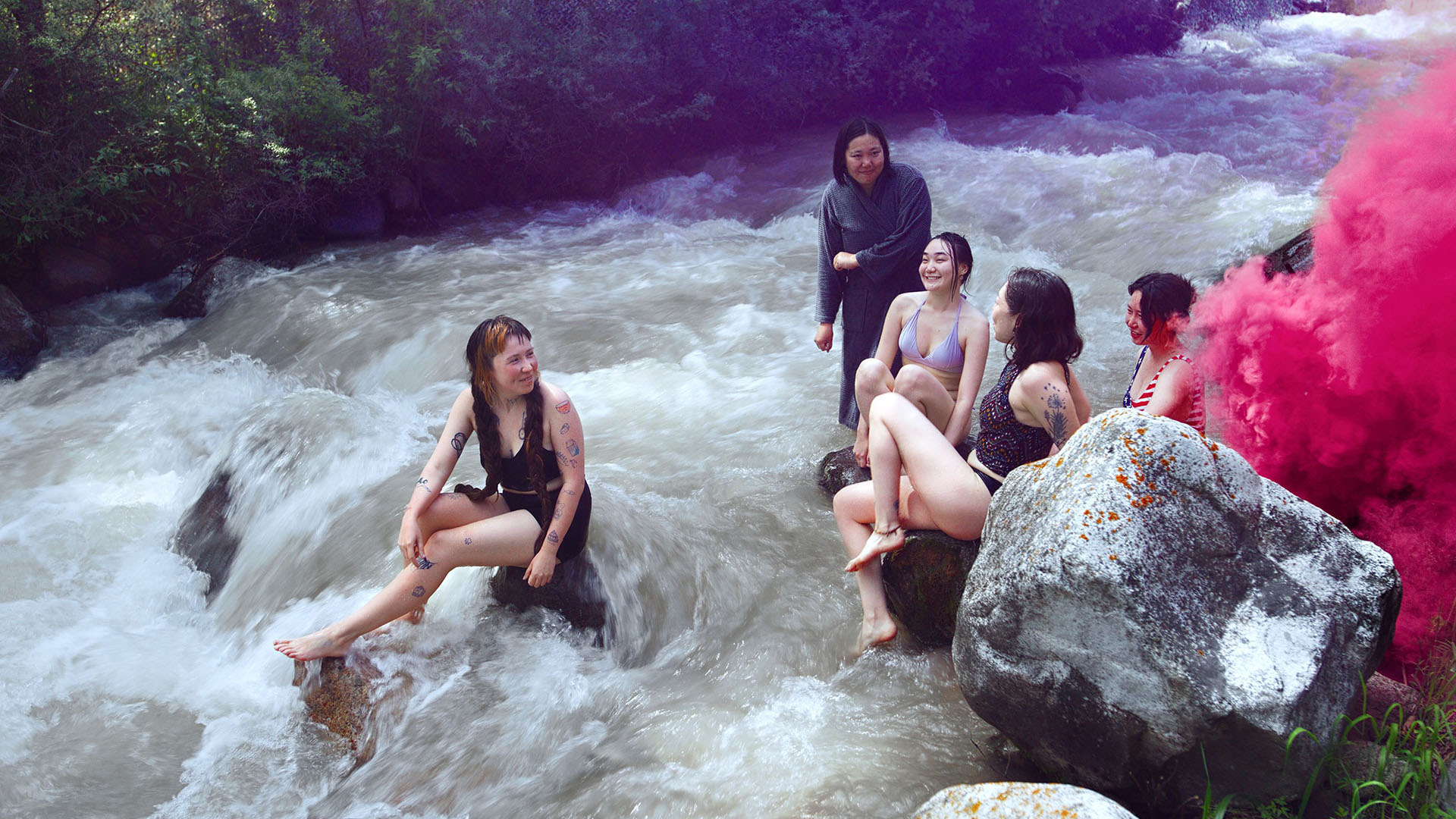
- River Dreams (2026, Kazakhstan, Switzerland, United Kingdom), Kristina Mikhailova.
- Barbara Forever (2026, USA), Brydie O’Connor.
Short films
- Whale 52 (2026, USA), Daniel Neiden.
- Yercekimi (Gravity) (2026, Turkey), Dalya Keleş.
- When I Get Home (2026, Mexico), Edgar Adrián.
- Time to Go (2026, Argentina), Renzo Cozza.
- Stallion and a Crystal Ball (2026, Spain), Christian Avilés.
- Cosmonauts (2026, Slovenia, Italy), Leo Černic.
- Taxi Moto (2026, Switzerland, France), Gaël Kamilindi.
- This Suffocating Now (2026, Germany), Vika Kirchenbauer.
- Pink Schlemmer (2025, Canada), Oliver Husain.
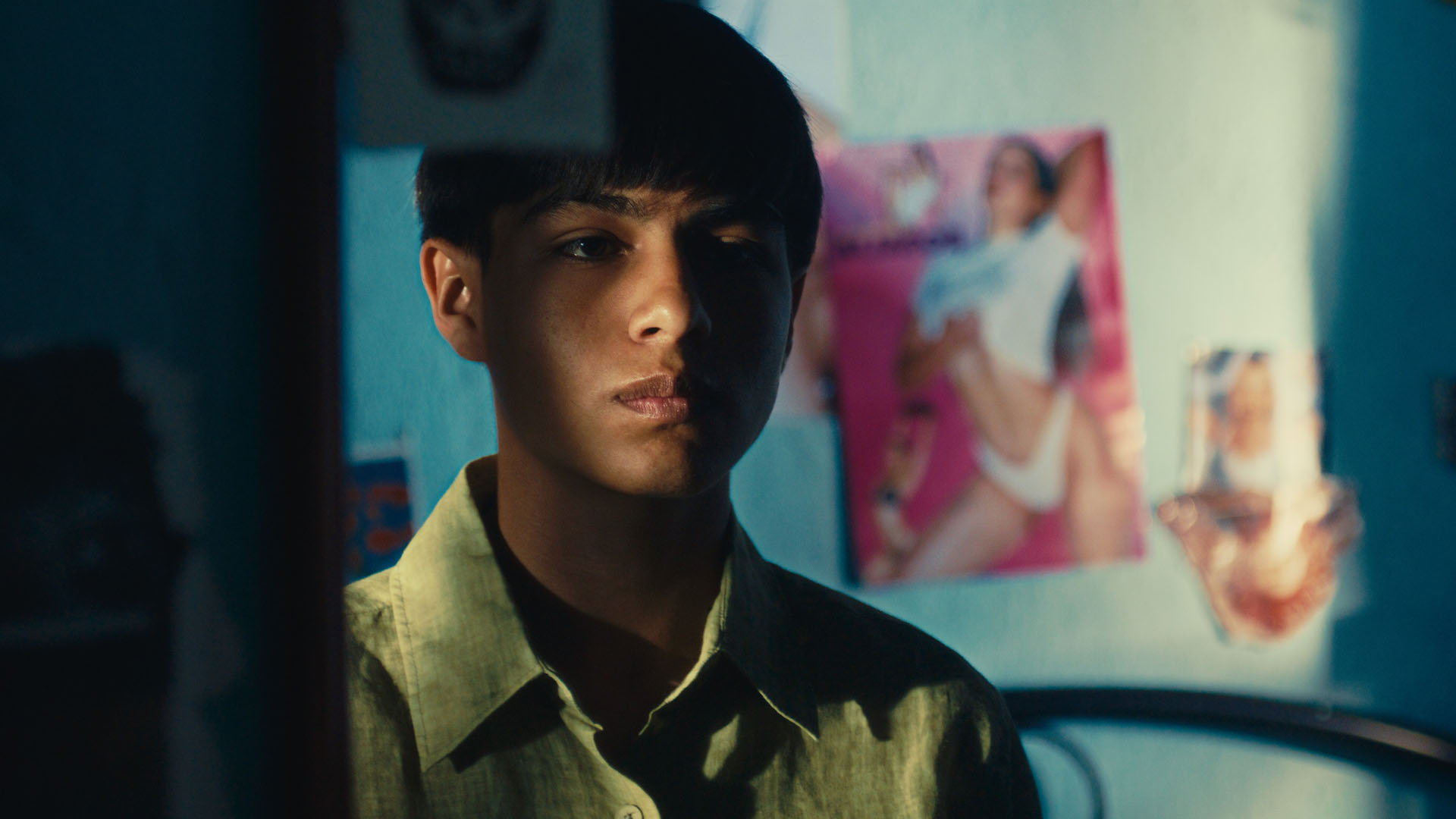
TEDDY 40 retro section
This special section, part of the Berlinale programme, screens six short and eight feature films that shaped the Teddy Award over forty years, including landmarks in queer cinema that helped expand visibility and influence at festivals worldwide.
- 575 Castro St. (2008, USA), Jenni Olson — personal history and place
- A Fantastic Woman (2017, Chile, USA, Germany, Spain), Sebastián Lelio — grief and dignity
- A Thousand Clouds of Peace (2003, Mexico), Julián Hernández — longing across time
- The Blossoming of Maximo Oliveros (2005, Philippines), Auraeus Solito — youth and first love
- Entropia (2018, Hungary), Flóra Anna Buda — desire and control
- Kokomo City (2023, USA), D. Smith — Black trans lives and self narration
- Love, Jealousy and Revenge (1991, Germany), Michael Brynntrup — performance and rivalry
- Mondial 2010 (2014, Lebanon), Roy Dib — friendship and resistance
- Playback (2019, Argentina), Agustina Comedi — memory and archive
- Queens Don’t Cry (2002, Germany), Rosa von Praunheim — community and provocation
- Seduction: The Cruel Woman (1985, West Germany), Elfi Mikesch & Monika Treut — power and desire
- Tomboy (2011, France), Céline Sciamma — gender and self recognition
- To Write From Memory (2023, USA), Emory Chao Johnson — identity and reflection
- The Watermelon Woman (1996, USA), Cheryl Dunye — authorship and erased histories
The 40th Teddy Awards ceremony takes place on 20 February 2026 at the Volksbühne Berlin, beginning at 20:30, followed by the Teddy After Show Party, with tickets available via the Volksbühne Berlin ticket shop.


.svg)



Get weekly updates
Follow us -
@theFLICKERMAGAZINE


.png)
Join Our Newsletter
Get a weekly selection of curated articles from our editorial team.
Join Our Newsletter
Get a weekly selection of curated articles from our editorial team.