


Hit Enter to Search or X to close
Trans Healthcare Worldwide: Access, Delays and New Paths to Care
Some countries are expanding access. Others are removing it. Where you are born decides whether the system sees you at all.
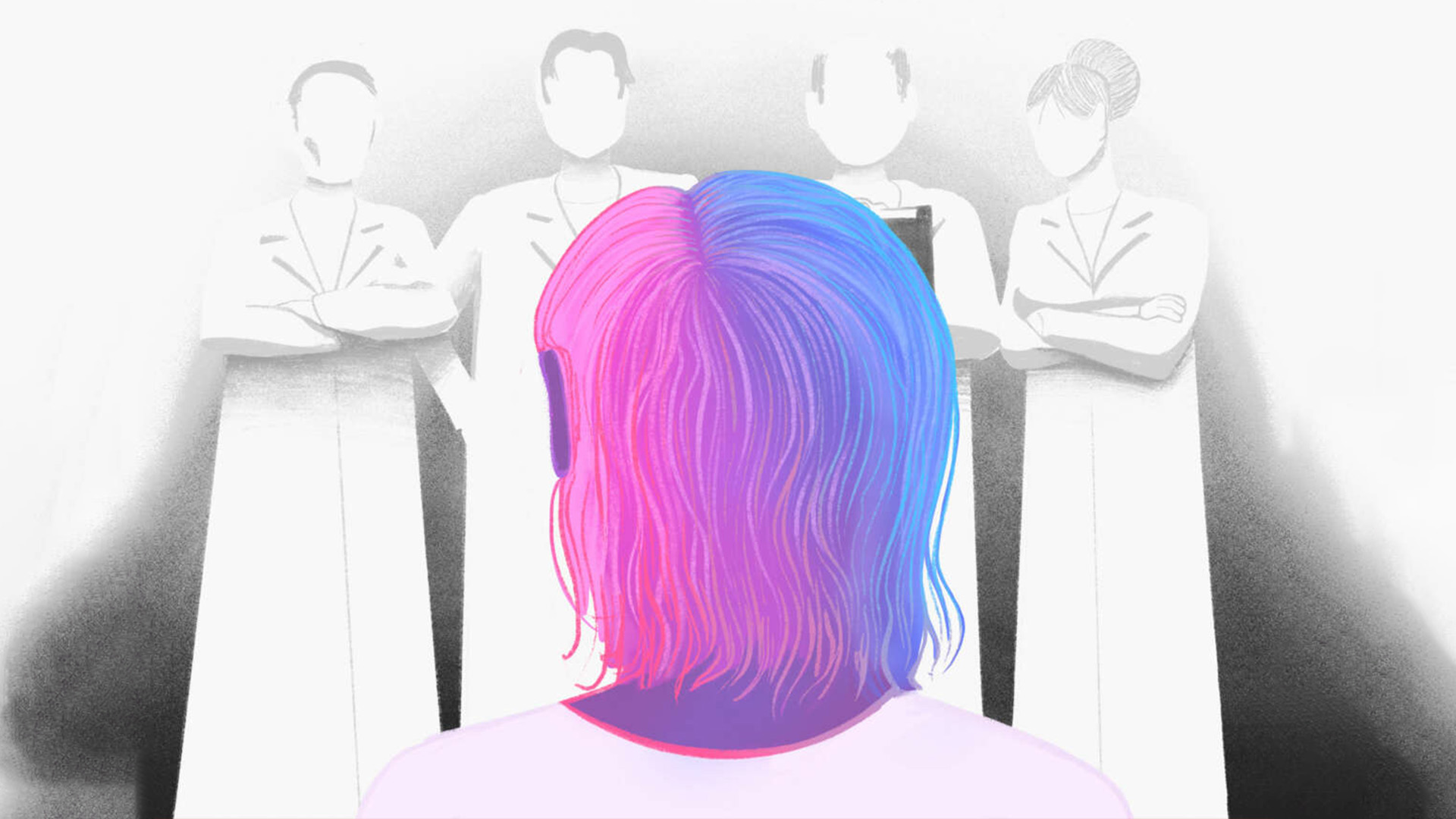
Trans Healthcare Worldwide: Access, Delays and New Paths to Care

TRANS HEALTHCARE
Access to trans healthcare is changing across the world. Some regions are expanding support. Others are limiting it. Where you live decides whether you wait weeks or years for gender affirming care. The need is clear. The chance to receive safe healthcare depends on laws, funding and the political climate around gender identity.
Trans Healthcare Worldwide
Many countries continue to redesign their systems for gender care.
Spain’s Self Determination Act made legal gender recognition quicker and improved access to hormones. Argentina and Uruguay remain strong examples of how public services can protect LGBTQ healthcare. Portugal and Iceland also keep moving with systems that support people from the start of their transition.
Sweden recently removed the medical diagnosis from the first steps of legal gender change. Finland ended the older requirement of infertility treatment. In Asia, Japan’s Supreme Court removed a previous rule that prevented many people from updating documents. Taiwan continues to create transparent routes for surgery and hormone therapy.
Mexico City now offers free access to legal gender recognition for adults and young people. Chile and Colombia continue to shape their systems around both social and medical support. Brazil invests in training healthcare teams so public hospitals can offer more reliable services. Across Latin America, more regions understand how important it is to protect gender affirming care inside the public health system.
Europe remains uneven, but several countries continue to adapt. Germany passed a new law that allows people to change legal gender with a simple declaration. Belgium invests in public gender clinics and keeps improving waiting times. The Netherlands holds one of the most organised systems, although delays still exist. Ireland and Malta maintain supportive structures.
France has moved ahead with changes, although access still differs between regions. Switzerland placed gender care inside mainstream healthcare, which helps remove extra barriers. Many countries show that change is possible with clear decisions and national guidance.
Pushbacks and Delays
Not every region is moving forward. Access varies widely. Trans healthcare in the United States remains divided. Some states removed care for minors and created uncertainty for adults. Access to hormones and surgery depends on region, insurance and clinic availability. Australia keeps services open, but long waiting lists and regional gaps make treatment slow. New Zealand offers public support, but surgery funding remains limited.
Parts of Eastern Europe introduced new limits on LGBTQ rights. Hungary banned legal gender recognition. Poland faces growing political pressure. Russia removed legal gender recognition entirely in 2023. South Korea still has no national law for changing legal documents. China remains unclear. Some cities allow limited access to hormones and mental health care, but people need consistency. Israel offers legal gender change and some medical support. Many other countries in the region restrict queer identities. Some people travel abroad to receive safe care.
South Africa remains the main example of trans healthcare in Africa. It offers legal gender recognition and some medical support through public clinics, but services depend on funding and location. Kenya and Botswana show small signs of progress through court cases.
Culture Fights Back
Culture plays a major role in visibility and public understanding.
In London, the slogan Protect Trans Kids grew from a protest sign into a wider message seen on stages, fashion shows and red carpets. Connor Ives added it to a shirt worn by public figures. Troye Sivan and Tilda Swinton were also seen wearing versions of the message. These moments push trans rights into public view when political space narrows.
Many people write about the small moments that shape their journey. A pharmacy that refuses a prescription. A clinic that cancels an appointment without a clear date. Someone on a waiting list who does not know when their turn will come. These stories show how fragile access can be. When you read these stories again and again, you understand how uneven the system is. Some people wait years for a first appointment. Others travel across regions because their country gives them no real path to start treatment. On social media, people often share the moment they receive updated documents. They describe it as the first time their country sees them. Comments often turn into long chains of support and shared advice. You see how often people depend on online communities to fill the gaps left by clinics. They ask simple questions that should be answered by a doctor but are instead answered by strangers who have walked the same path.
Ally Voices
Public figures continue to shape how people understand trans healthcare.
Nicola Coughlan, OIly Alexander, Eddie Redmayne and Bella Ramsey have spoken openly about trans rights and community support. Many remind people that safe access to treatment is essential for wellbeing.
The recent Trans Is Human photography exhibition also became a major moment of support. Created by Jake and Hannah Graf and soundtracked by Yungblud, the project shared the stories of thirteen people from across the UK who describe themselves as deeply inspiring but ordinary. The exhibition and film ran from 17 to 22 November at Outernet London, reaching large crowds each day. It offered a visible and hopeful space for trans people at a time when many feel pushed out of public life.
Waiting Times and Fast Routes
United Kingdom
The NHS waiting time for a first gender clinic appointment can reach up to four years. Some people move to private clinics. Others wait because private care is too expensive.
Europe
Spain and Portugal offer faster access to hormones and early appointments. Belgium and Switzerland continue to improve timelines. Germany may shorten administrative delays with its new law.
Asia
Thailand and South Korea remain known for fast access to gender affirming surgery. Costs range between £3K and £20K. Many people travel for healthcare to these regions because treatment plans are clear.
Latin America
Argentina offers public access to hormones and surgery. Chile and Colombia support people through specialised clinics. Mexico continues to expand its services.
North America
Canada provides gender care through public healthcare, with varying waiting times between provinces.
Oceania
New Zealand offers hormone therapy through public clinics. Surgery funding remains limited.
Africa
South Africa remains the only country with a defined national pathway, though access still depends on hospital capacity.
The Bigger Picture
Trans healthcare continues to sit inside a larger global conversation about equality, safety and dignity. Some countries offer stable systems. Others remove access. Many people travel for care because their local choices are limited. This movement shows how unequal access has become and how important it is for communities to support one another.
Need Support
United Kingdom: Mermaids, Switchboard LGBT Helpline, Mindline Trans, The Trevor Project
Canada: Trans Lifeline Canada
Spain: FELGTB
Brazil: ANTRA
France: Acceptess T, OUTrans
Ukraine: INSIGHT NGO


.svg)





Get weekly updates
Follow us -
@theFLICKERMAGAZINE


.png)
Join Our Newsletter
Get a weekly selection of curated articles from our editorial team.
Join Our Newsletter
Get a weekly selection of curated articles from our editorial team.