


Hit Enter to Search or X to close
Love Lost review, a short film by Pablo Saura
An intimate story set in London, where longing for connection meets unanswered questions about identity and belonging.
An intimate story set in London, where longing for connection meets unanswered questions about identity and belonging.









Love Lost review, a short film by Pablo Saura

Short Film Review
Searching for identity, reconciling the past, and wishing for a future that may never arrive
When you find yourself at a particular crossroads, is there hesitation to choose which direction to travel? Or do you instead come to that place of decision already knowing where it is you are aiming to arrive, and hence have no dilemma whatsoever?
From this juncture, the only question that remains is can you attain that which you expect? And, if so, will it remotely be what you had hoped for?
This forms the core of writer and director Pablo Saura’s fourteen minute short film, and while it does indeed deliver on said overall premise, it falls just short of the encompassing emotional gravity the narrative warrants.
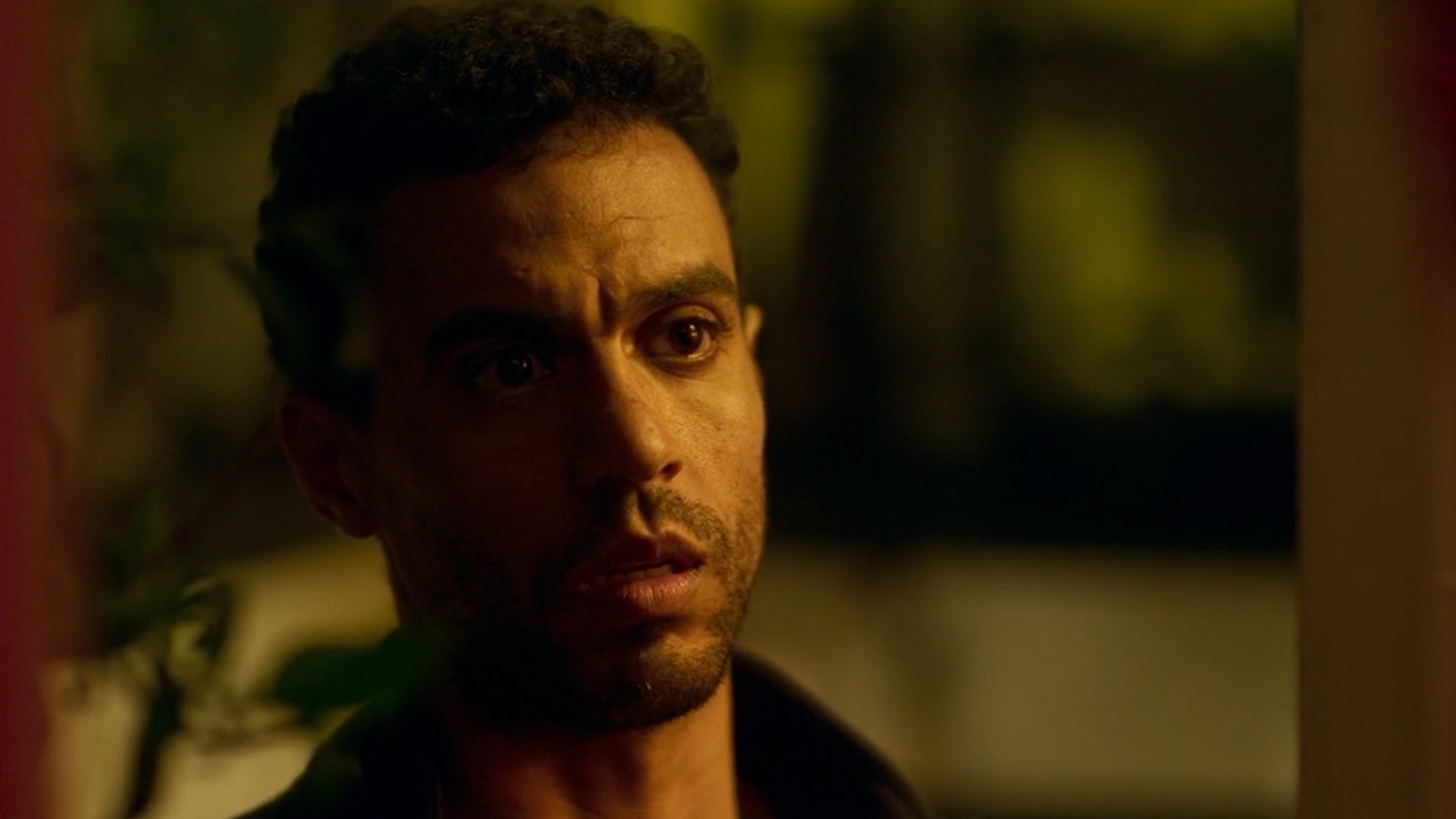
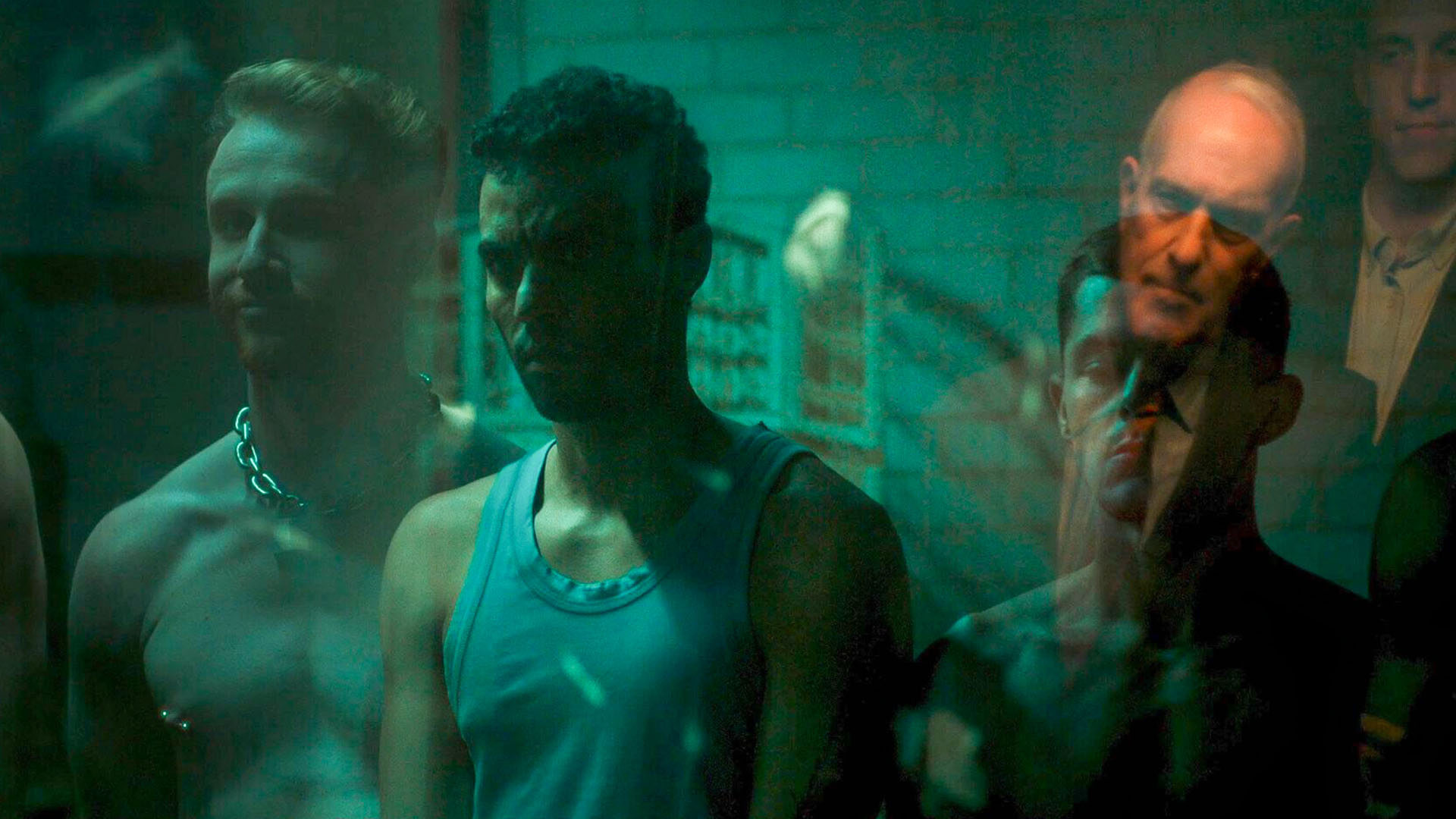
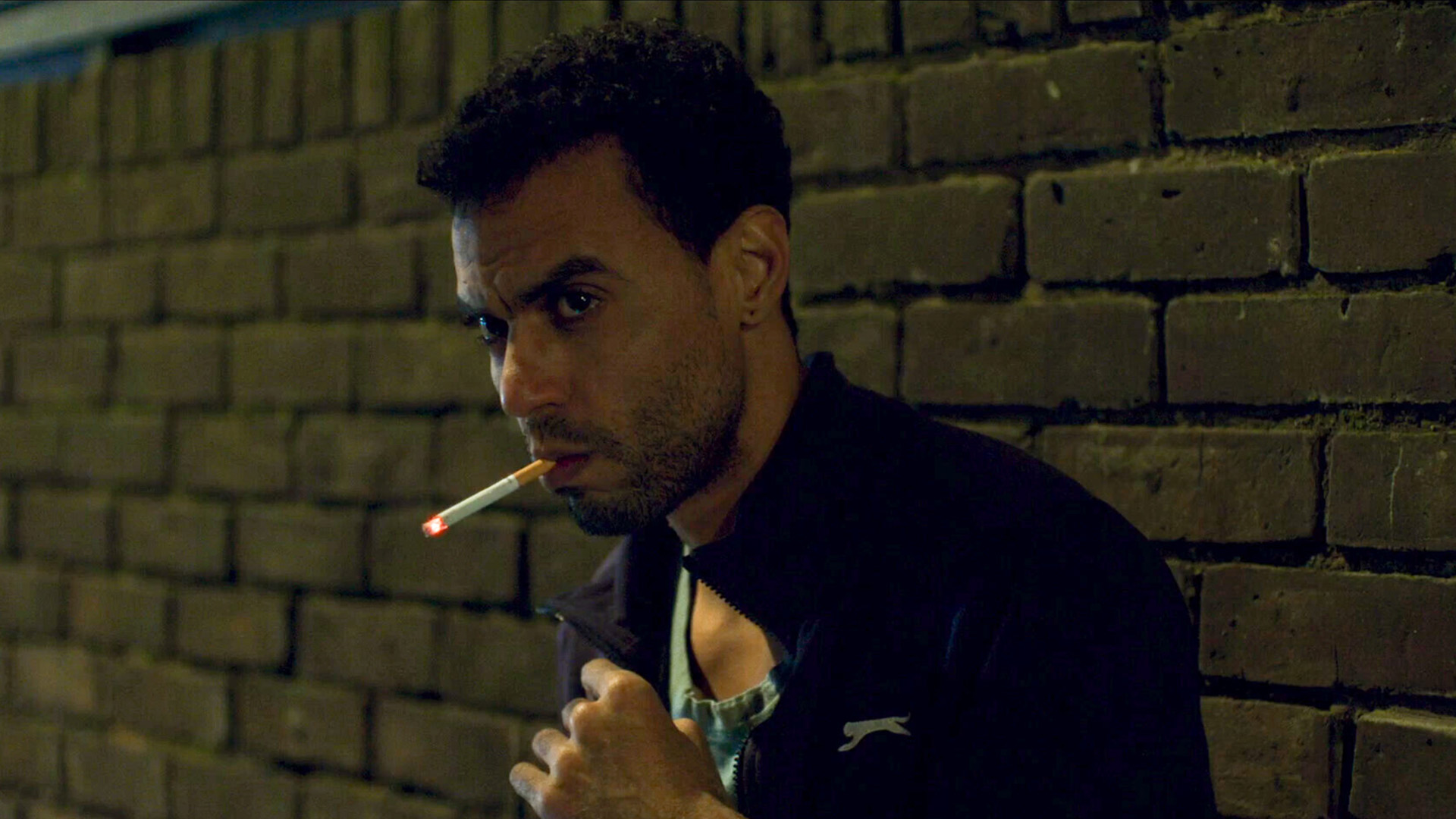
The story sees a young Afro Portuguese man named João (Fernando Mariano) earning his keep by being a sex worker in a purposefully understated and, we get the feeling, exclusive gentleman’s bordello in London. He has a specific repeat client, the enigmatic Mr. Warren (Christopher Hunter), with whom he is wanting to connect. It is an intentional slow yet still solidly paced burn that we witness, all the goings on leading up to the pivotal moments that will cement the ultimate nucleus of this film’s objectives into our eyes and minds, which is executed well enough.
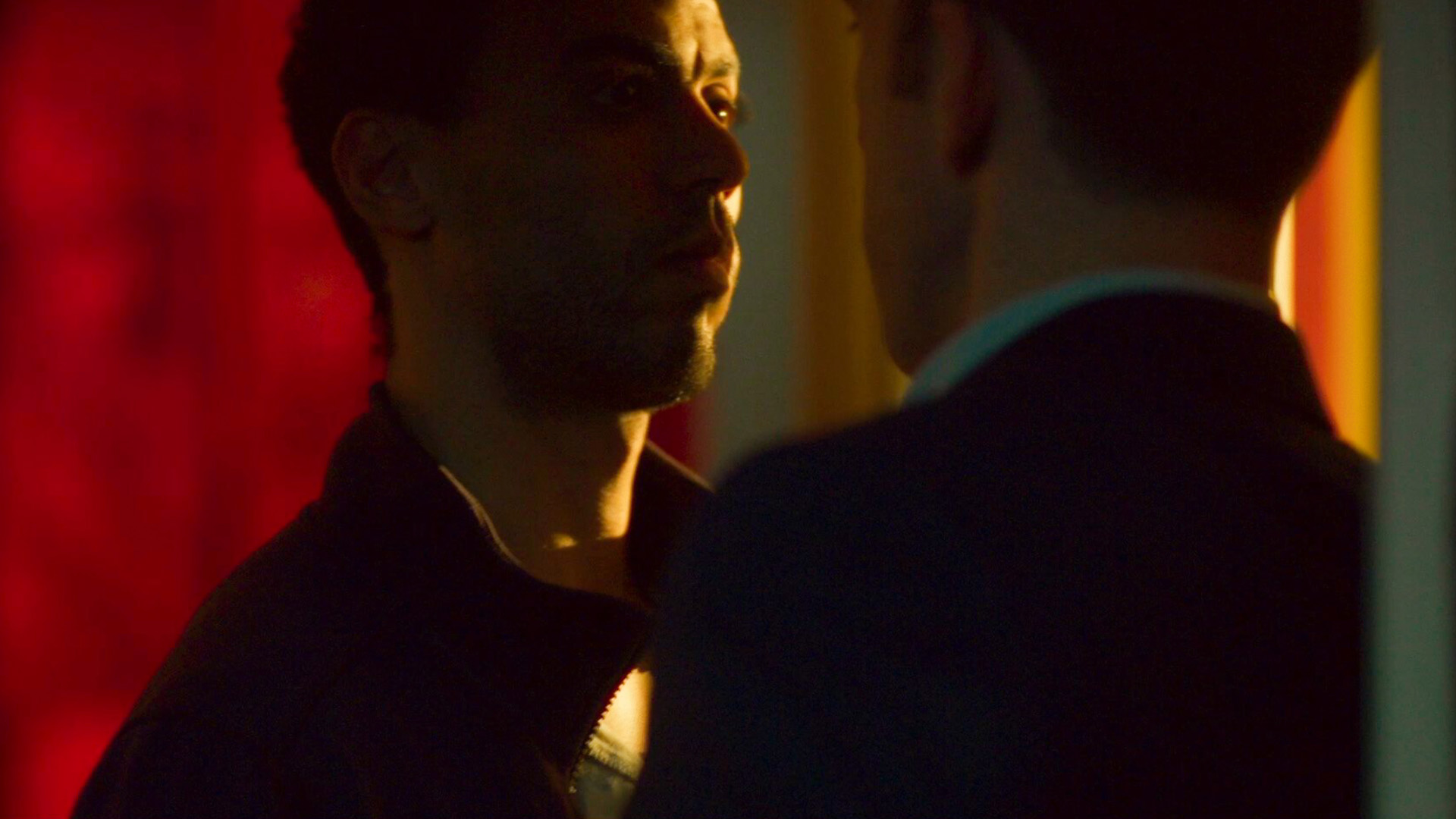
What felt rather anticlimactic here is that what does end up turning into “the big reveal” the narrative has for us feels too obvious by a certain point, potentially already evident before the actual instance manifests. This is where disappointment, or at least some disengagement, occurs, as everything suddenly seems bereft of what could or should have been a much more jarring, or at minimum, stirringly wrenching punch. There is initial build up via quick but purposefully unfinished developments that hint at certain facets of João’s motives and where the story is heading. Just too much so.

The conversation between the two men in the heat of their meeting turned confrontation carries weight, there is no denying it. But how do you reconcile giving away certain aspects that are so key to the film’s third act ahead of actually arriving there? This, at least, was this critic’s personal experience with the film. Now, could some of this have been because of reading the basic overall synopsis of the film before watching it? Maybe. Usually, though, this is not filled with ideas that will so overtly influence the outcome, or at least it usually is not for me.
The cinematography is nicely employed, embracing the characters with ease and an engaging air, creating the atmosphere necessary for the film’s setting. The grander themes that embrace knowing yourself, wanting answers, the need for parental adoration and support, missing home, and reacting to things not going as hoped or envisioned likewise have some sway here. Even so, there is a distinct lack of that deeply emotive connection you want to have with the protagonist, which becomes muted due to the manner in which the primary gist of the film ends up being conveyed.
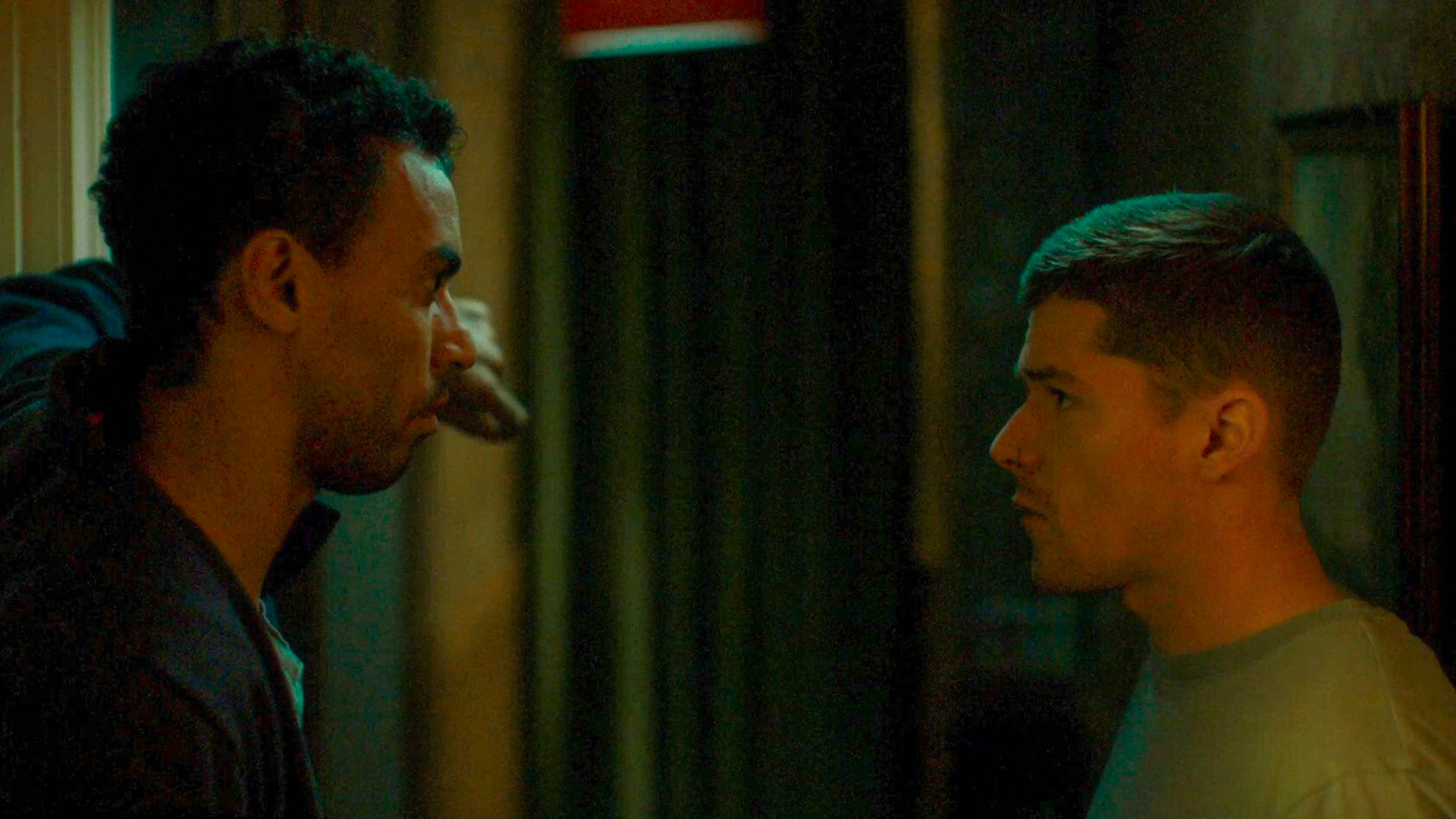
Mariano is a likeable and appropriate presence as João, a young man in search of a key part of who he is that has long eluded him, but may finally be coming into reach. The character feels believable, but with the story going the direction it does, and with the aforementioned issue of what is revealed and when, the emotional response does not fully land. The impact, which is intended as a strike to the soul, becomes dulled. This is unfortunate, as the performance itself could have been elevated further had events unfolded differently. This is no fault of Mariano’s.
Hunter is also a steady force as Mr. Warren, the somewhat mysterious and consistent client of the bordello who may have more to uncover than we first realise. Supporting turns are provided by Nick Biadon as the bordello’s manager, alongside appearances by Samuel Hawkins, Chris O’Mara, Daniel Cotter, Jake White, James Beele, and, via voice only, Antónia Paula Pereira.
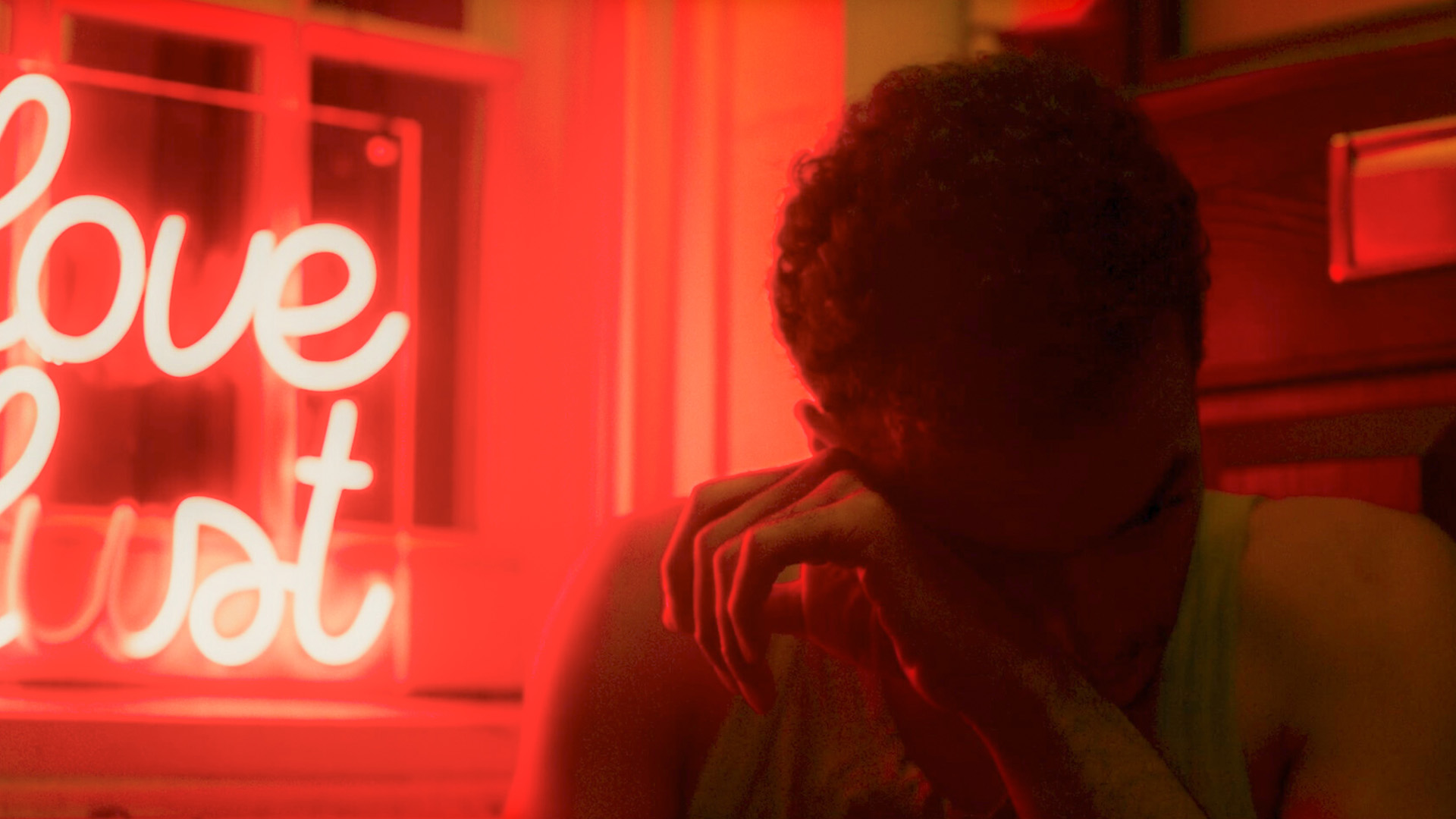
Love Lost is, overall, a sound film, offering a premise that is legitimate and compelling. It nevertheless suffers from a lack of sustained depth of intent, weakened by the way its central emotional revelation is delivered and by what love not regained ultimately elicits: heartbreak.


.svg)



Get weekly updates
Follow us -
@theFLICKERMAGAZINE


.png)
Join Our Newsletter
Get a weekly selection of curated articles from our editorial team.
Join Our Newsletter
Get a weekly selection of curated articles from our editorial team.