


Hit Enter to Search or X to close
MEN LIVE review at Underbelly Boulevard in Soho
An all-male cabaret that invites the audience in rather than performing at them.
An all-male cabaret that invites the audience in rather than performing at them.









MEN LIVE review at Underbelly Boulevard in Soho

A night where desire is built, not rushed
Soho has changed, and that is not nostalgia speaking. It is something you feel the moment you spend time on Old Compton Street. Some venues that once defined queer life are gone or softened, and while the area still carries history, the energy no longer concentrates in the same way. It feels less urgent, less charged, more shared. Soho no longer carries the entire weight of queer nightlife on its own, even if it remains symbolically important.
At the same time, queer energy has been spreading outward across London. You feel it in Dalston and across east London, where late-night parties and drag-led events continue to grow. You see it in Clapham, which has built a steady and confident queer scene. Parts of south London around Elephant and Castle also reflect that shift, with queer audiences settling outside the traditional centre. Soho is no longer the only heart of queer London. It is one of several.
That is the context MEN LIVE steps into. Running monthly at Underbelly Boulevard, the show does not pretend nothing has changed, and it does not chase nostalgia. Instead, it insists on presence. For a few hours, Soho feels deliberately queer again, not as a memory but as a lived space. Physical, adult, confident. MEN LIVE does not try to reclaim Soho by looking backwards. It does it by filling the room, by trusting the audience, and by allowing desire to exist openly.
I felt included almost straight away. Not watched. Not measured. It felt like being let into a room rather than sitting in front of a stage. The wristband system mattered more than I expected. Seeing how many people chose green shifted the mood immediately. It created openness. Curiosity. Desire had space to grow without being rushed, and that sense of choice stayed present throughout the night.
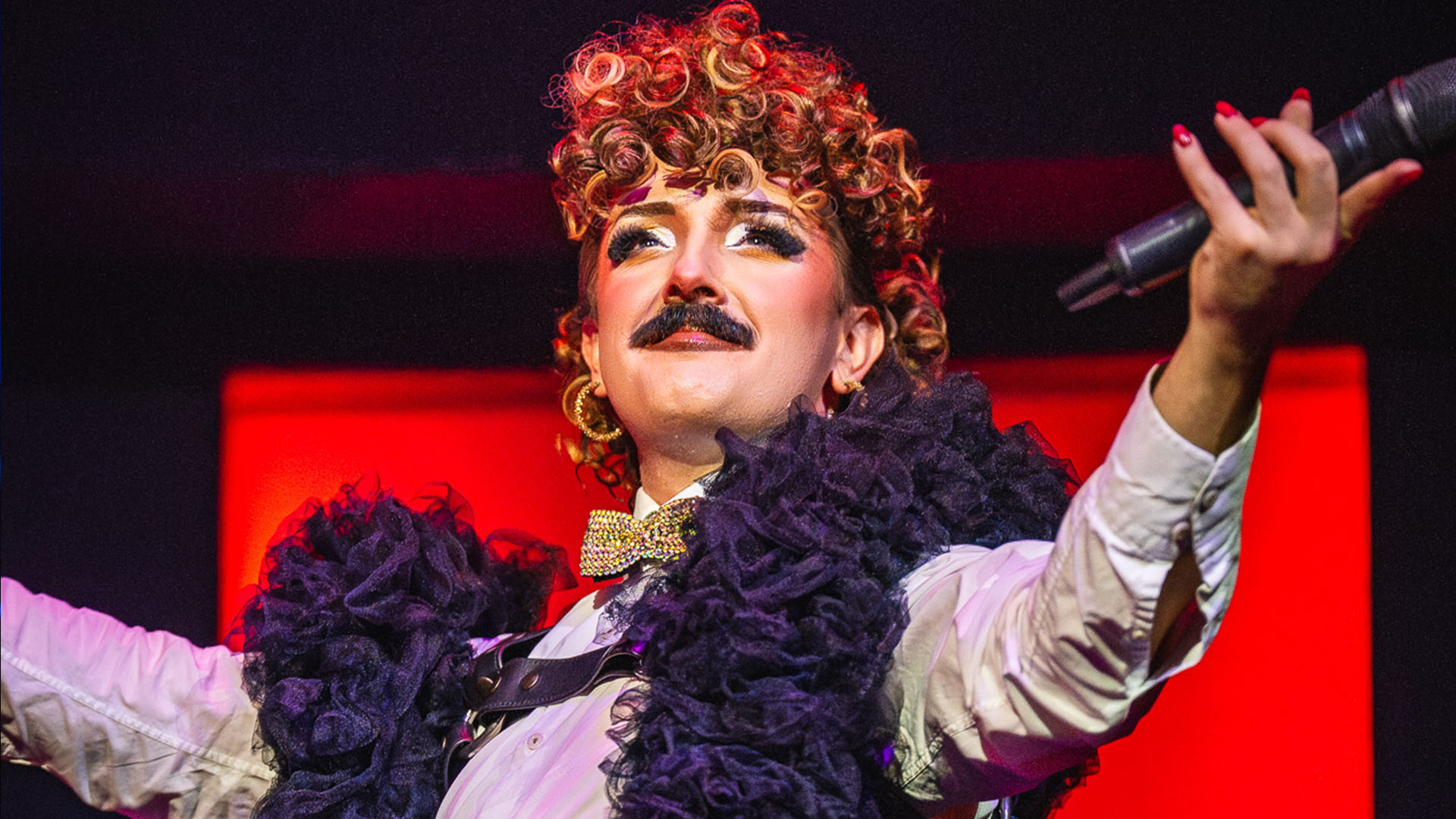
Temptation runs through the show as a steady undercurrent. The host, Mercury, understands how to introduce that tension early and hold it. Their presence sets the tone before the physical escalation begins. When they sing, it comes as a genuine surprise. The voice is strong and grounded, slowing the room down at key moments and deepening anticipation rather than breaking it. The humour lands because it never punches down, and the audience is guided rather than pushed.
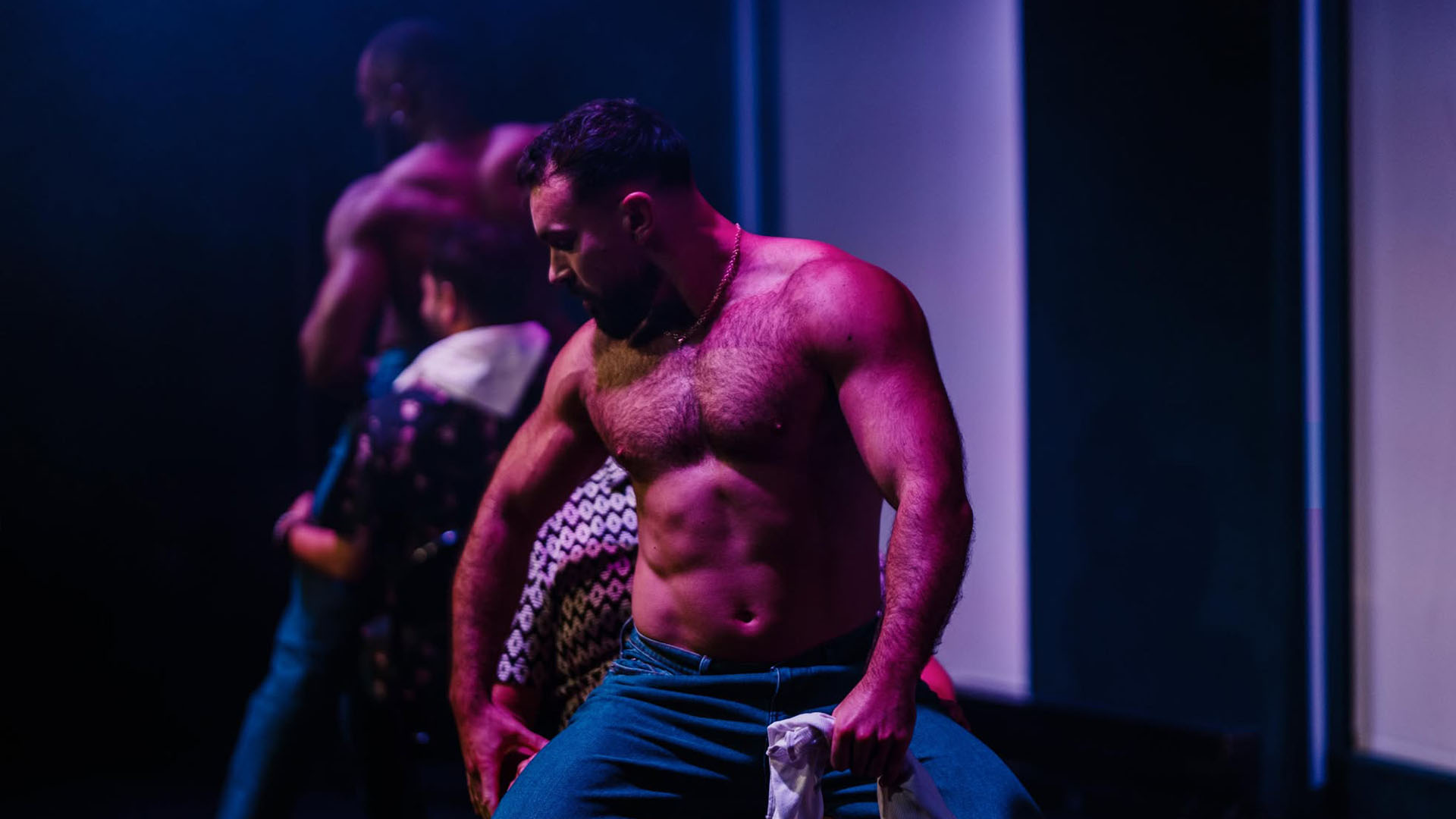
The pacing is carefully controlled. Early moments remain playful, letting the room settle. Music and lighting warm the space gradually, and intensity builds almost without you noticing. For those wearing green wristbands, the experience becomes more physical as the night unfolds. Performers move closer. The line between stage and audience softens. Touch becomes possible without becoming expected. Watching others take part can feel just as charged as being involved yourself. The pleasure comes from proximity, waiting, and restraint.
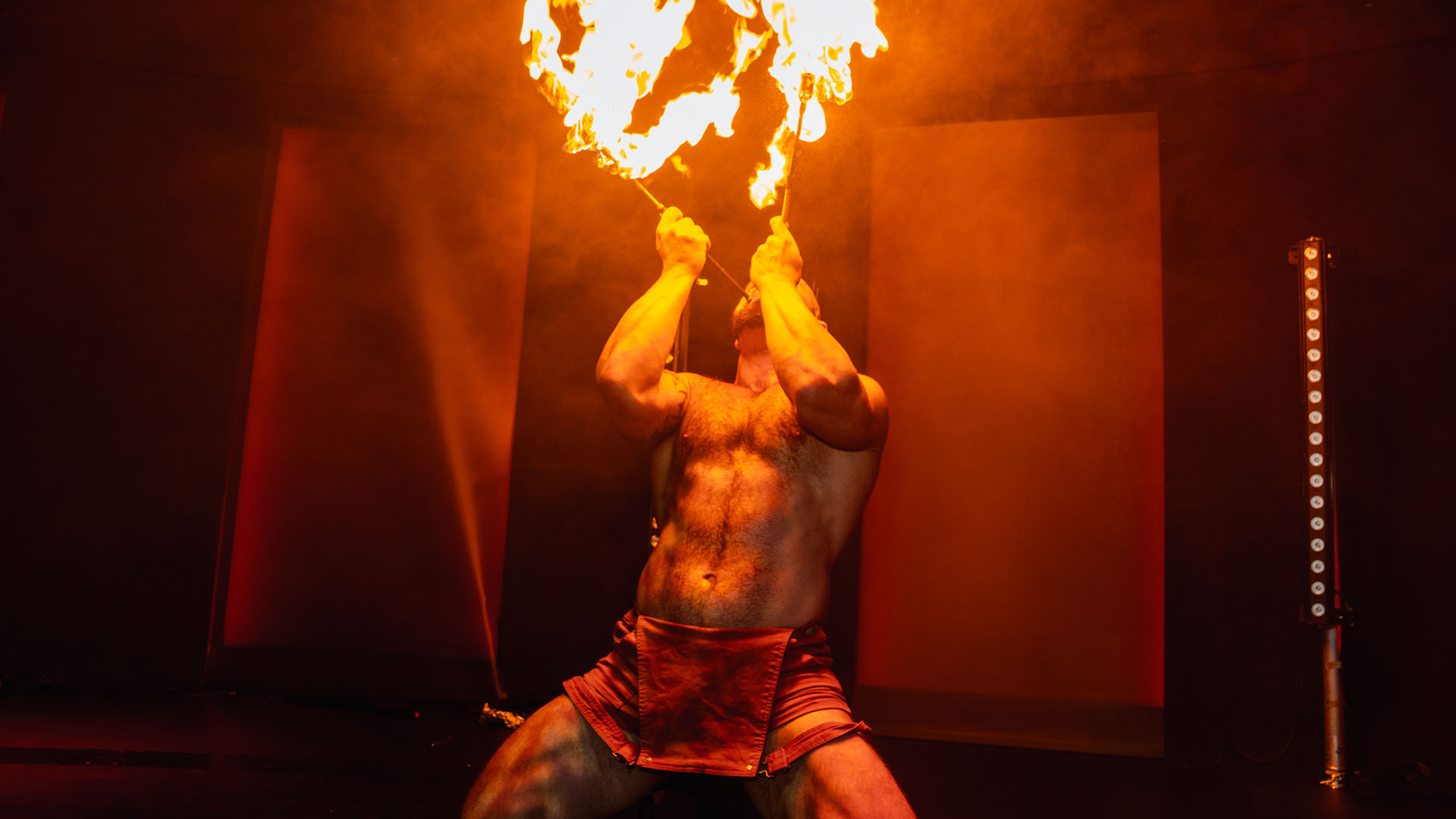
Among the strongest moments is Marshall Arkley, whose fire performance shifts the atmosphere immediately. The danger is real and handled with calm precision. Flame moves close to skin, close enough to make the room hold its breath. The tension comes from control rather than excess, and by this point in the night, the audience is ready for that level of risk.
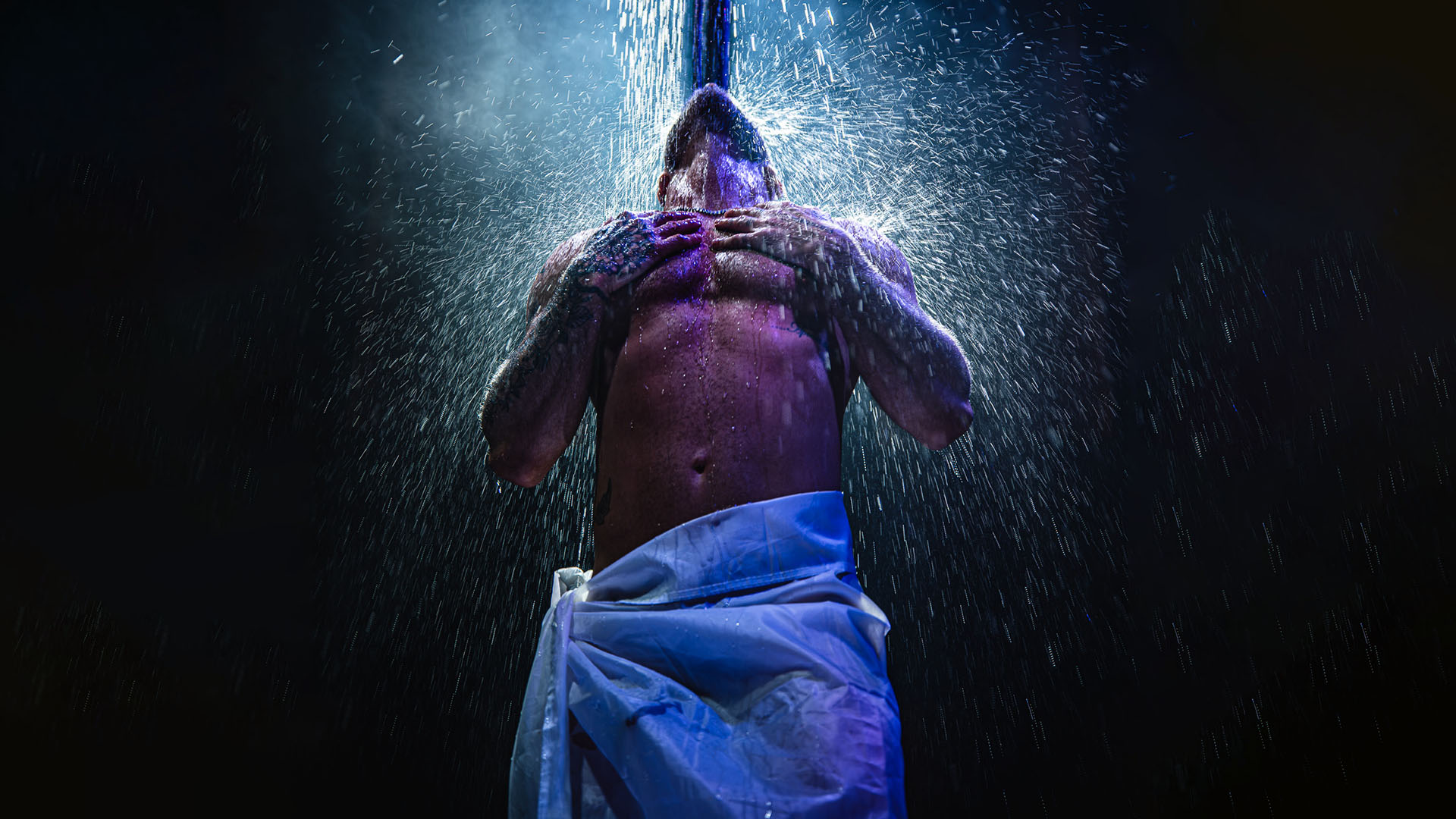
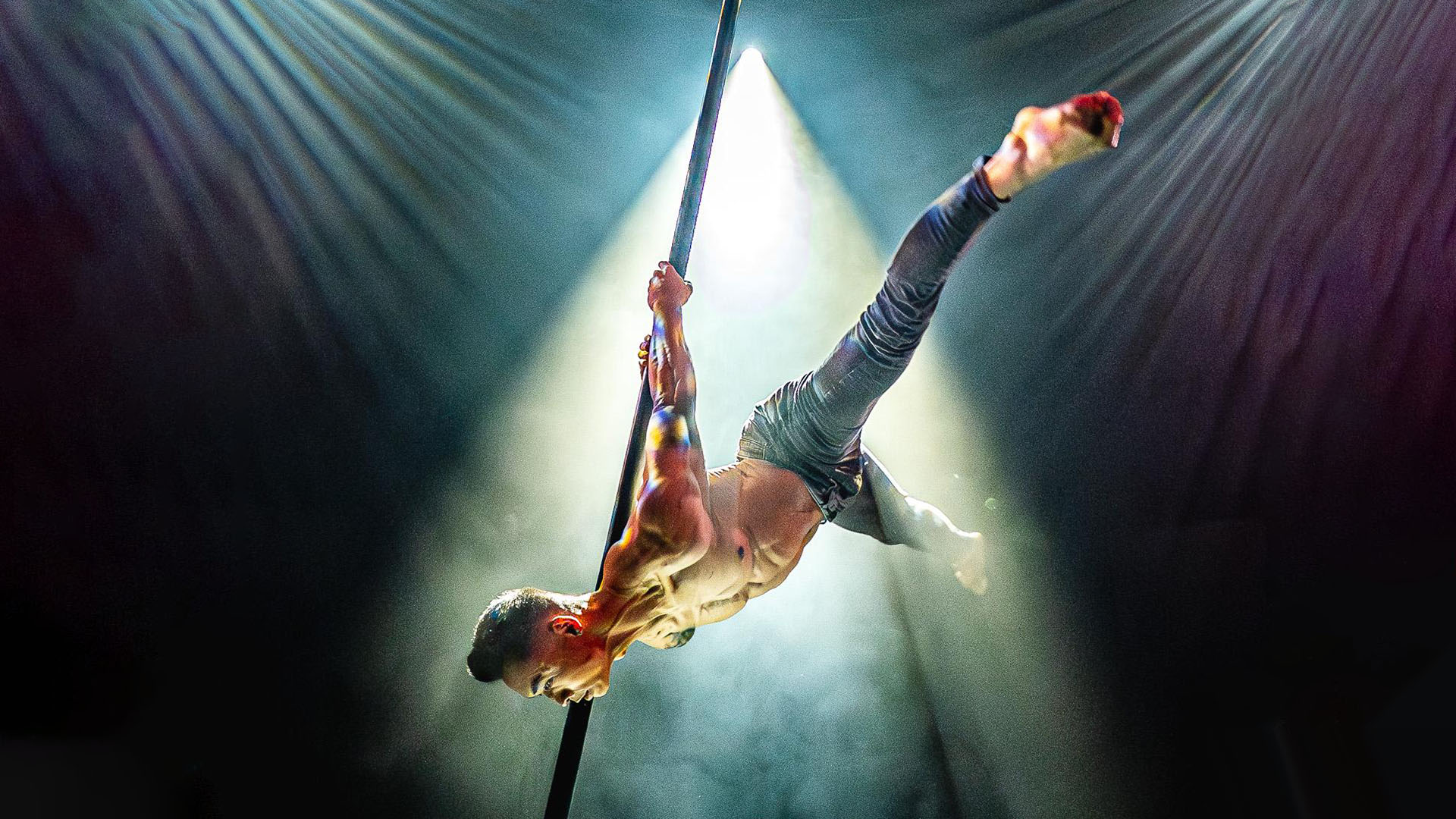
Later, the duet between Jimmy Wong and Dean Murrell changes the temperature again. Moving between aerial work and a real bathtub on stage, the performance balances strength with softness. The aerial sections are clean and exact, but it is the quieter moments that carry weight. Water becomes part of the rhythm. Touch feels mutual rather than performative. The act brings tenderness into something physically demanding without losing focus.
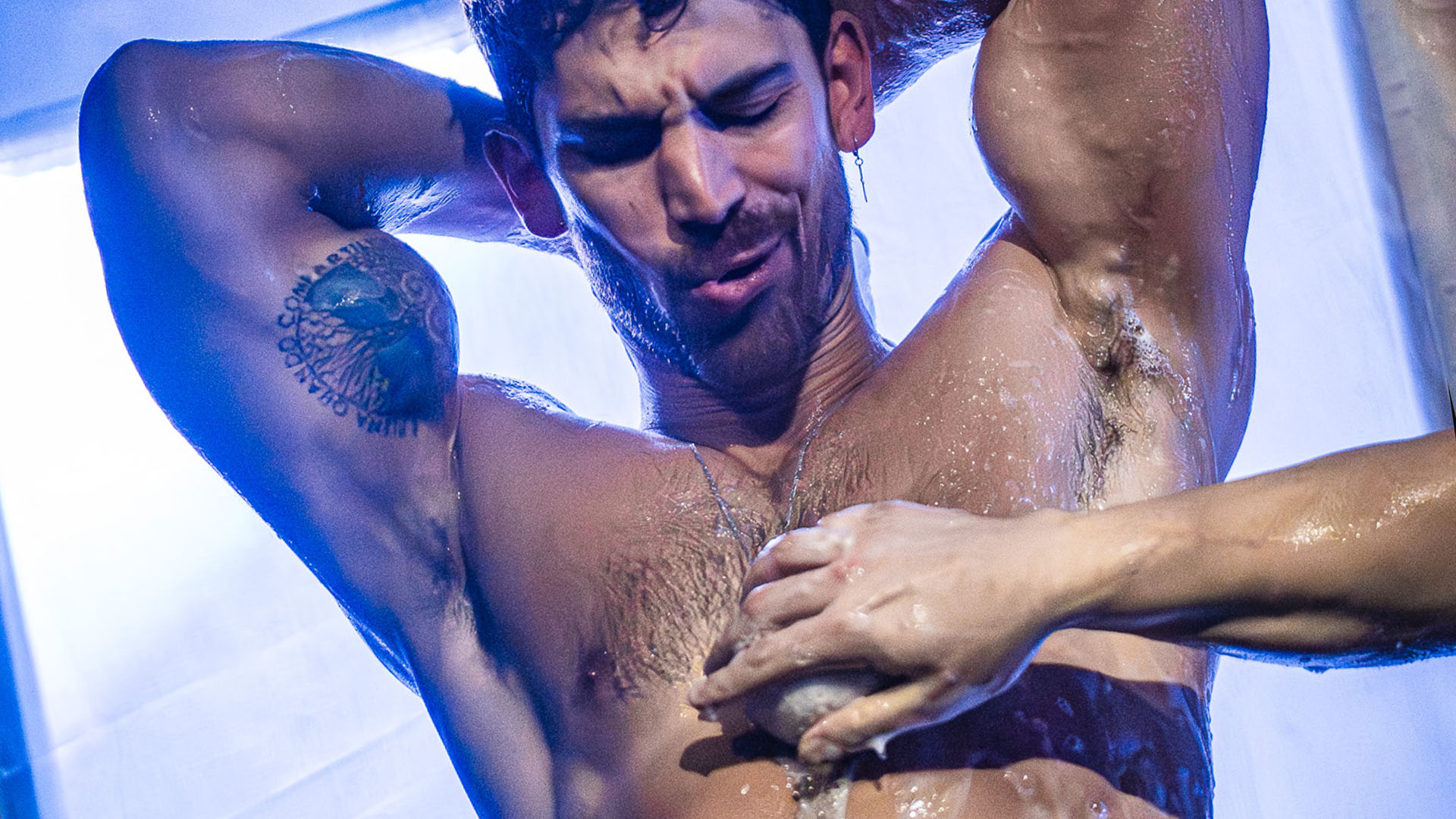
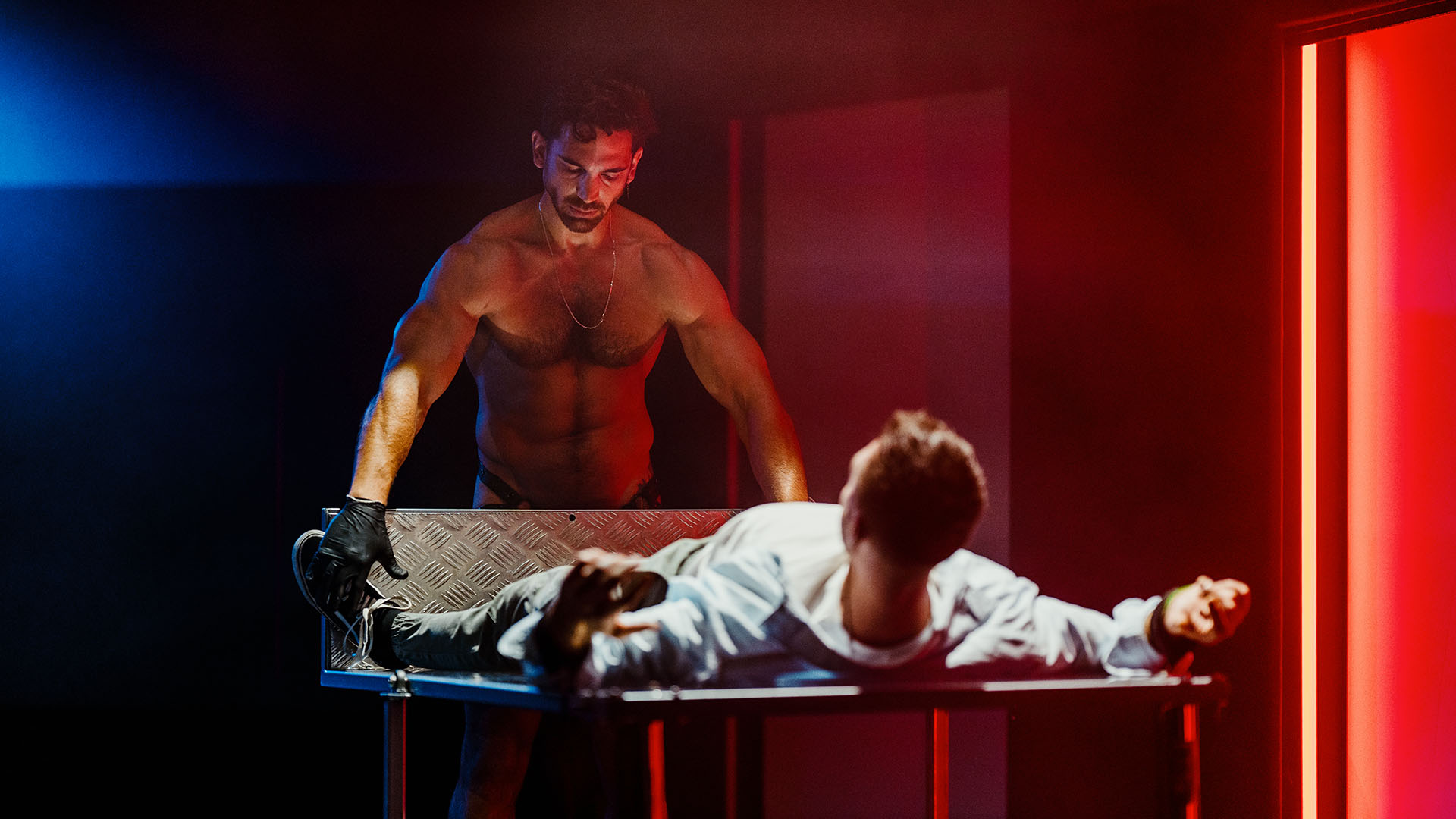
The wet duet between Alexandre D. Roque and Liam Hargz stands out for its restraint. Built around soap and water, the moment unfolds slowly, letting repetition do the work. Their closeness never rushes toward a payoff. What could slip into cliché stays grounded, intimate, and quietly hot, fitting neatly into the night’s steady rise in intensity.
The choreography plays a key role in holding all of this together. Reece Millard, whose work spans live theatre, television, film, and music videos, brings clarity and flow to the night. Transitions are considered. Movement feels guided rather than thrown into the space. Even when multiple bodies share the stage, spacing and timing remain precise, allowing intensity to build without tipping into chaos.
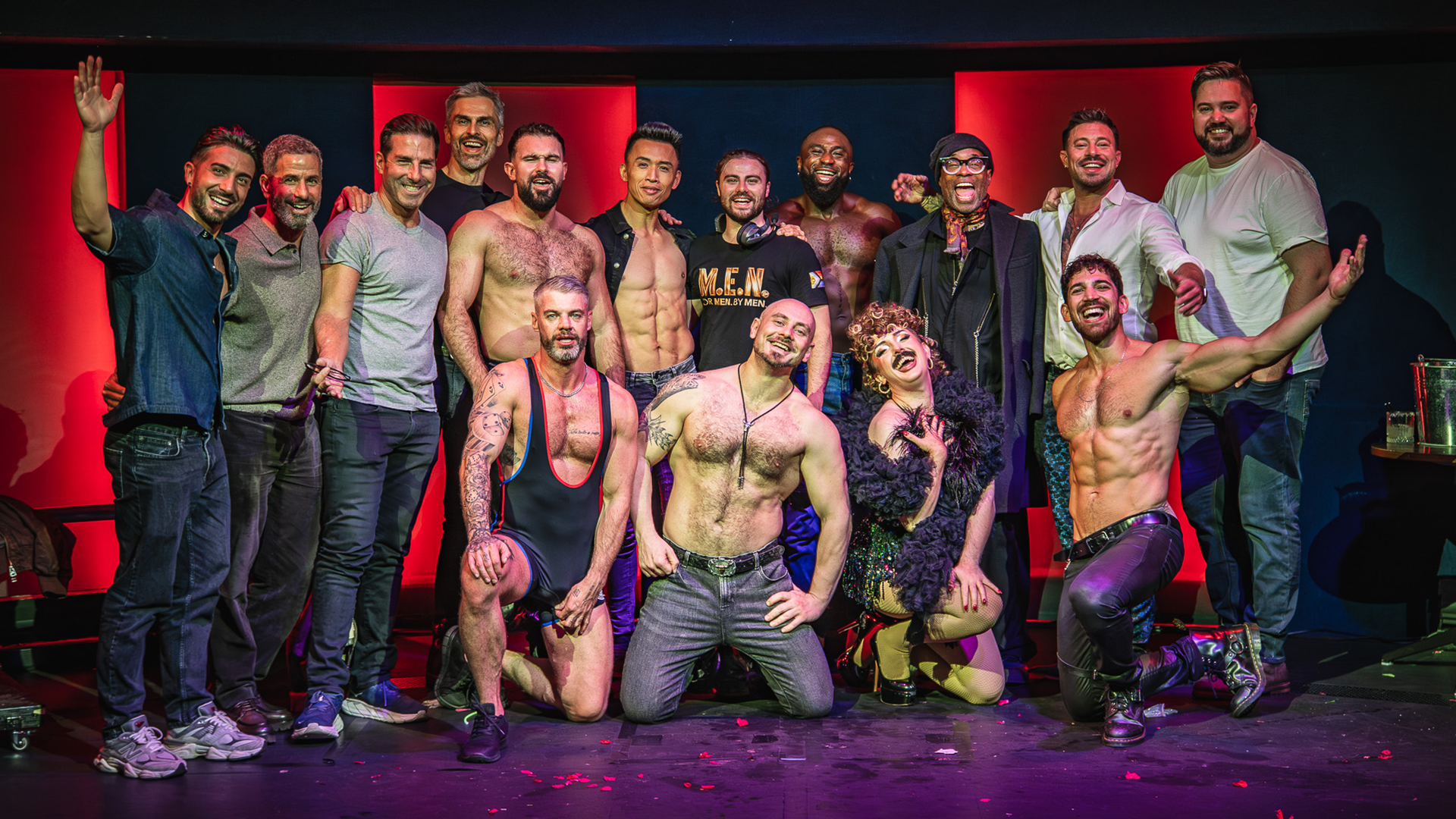
The show is close to perfect, but not entirely there yet. Some paired numbers would benefit from tighter alignment and cleaner transitions. In a night built on control and timing, small imbalances become more visible. That may be the perfectionist in me speaking, but in a show this carefully structured, detail matters.
MEN LIVE does not try to recreate an earlier version of queer nightlife, and it does not apologise for its appetite. It understands how desire works, how trust is built, and how a room can be guided without being controlled. In a Soho that no longer carries the weight it once did alone, the show feels purposeful. Not as nostalgia, but as presence. I left knowing this was not just a night out, but a space that still believes queer bodies, humour, and intimacy belong at the centre. It is the kind of experience you want to share, to bring a friend into the room and let them feel the heat, the flow, and the immersion for themselves.
Check the dates for the next show at Underbelly Boulevard.
Tickets are available here

MEN LIVE does not try to recreate an earlier version of queer nightlife, and it does not apologise for its appetite. It understands how desire works, how trust is built, and how a room can be guided without being controlled. In a Soho that no longer carries the weight it once did alone, the show feels purposeful. Not as nostalgia, but as presence. I left knowing this was not just a night out, but a space that still believes queer bodies, humour, and intimacy belong at the centre. It is the kind of experience you want to share, to bring a friend into the room and let them feel the heat, the flow, and the immersion for themselves.
Check the dates for the next show at Underbelly Boulevard.
Tickets are available here


.svg)




Get weekly updates
Follow us -
@theFLICKERMAGAZINE


.png)
Join Our Newsletter
Get a weekly selection of curated articles from our editorial team.
Join Our Newsletter
Get a weekly selection of curated articles from our editorial team.