


Hit Enter to Search or X to close
The Spanish filmmaker making queer documentaries where queer lives are still illegal
Spanish filmmaker Richard Zubelzu tops a European LGBTQ+ documentary ranking for Pride 2026. His film Homofobia de Estado follows two Guinean activists living under a law Spain left behind

The Spanish filmmaker making queer documentaries where queer lives are still illegal

The Spanish filmmaker making documentaries about queer lives in places where queer lives are still illegal
Richard Zubelzu tops a European ranking of the most influential LGBTQ+ documentary filmmakers for Pride 2026. His film Homofobia de Estado documents what it means to be gay in Equatorial Guinea under a law inherited from Franco's Spain.
Richard Zubelzu was born in Reinosa, Cantabria in 1978. He has been making documentaries for over twenty years, and for most of that time his focus has been on the people that mainstream Spanish media looks past. He has been named at the top of a ranking of the most influential LGBTQ+ documentary filmmakers in Europe for Pride 2026, compiled by Objetivo Family Producciones. The recognition is a useful moment to look at what he actually makes.
His 2023 documentary Homofobia de Estado is the most significant of his recent work. Equatorial Guinea was a Spanish colony until 1968. When it became independent, the anti-homosexuality law it inherited from Spain, the 1970 Ley de Peligrosidad y Rehabilitación Social, stayed on the books. Spain eventually repealed it. Equatorial Guinea did not. The country still operates under one of Africa's longest-running dictatorships and LGBTQ+ people there face police harassment, family rejection, forced conversion therapy, sexual violence and social ostracism.

Zubelzu and his producing partner and screenwriter Magda Calabrese give the film its shape through two subjects: Ángel Custodio and Gonzalo Abaha, two Guinean LGBTQ+ activists who travelled to Madrid to speak to Spanish institutions including the Congress of Deputies and the Madrid Assembly. The film follows them through those meetings, capturing their testimonies about what daily life in Equatorial Guinea actually looks like for someone who is out or suspected of being so. The third activist featured is Trifonia Melibea Obono, a writer and politician who was arrested for her LGBTQ+ activism in 2023, shortly before the film's premiere.
The film is deliberate about the colonial thread. The law that criminalises Ángel and Gonzalo was written in Spain. The film makes that connection explicit, placing the two countries in conversation about rights that Spain eventually granted itself and then left behind in its former territories. That comparison gives Homofobia de Estado a political argument that goes beyond documentary testimony.
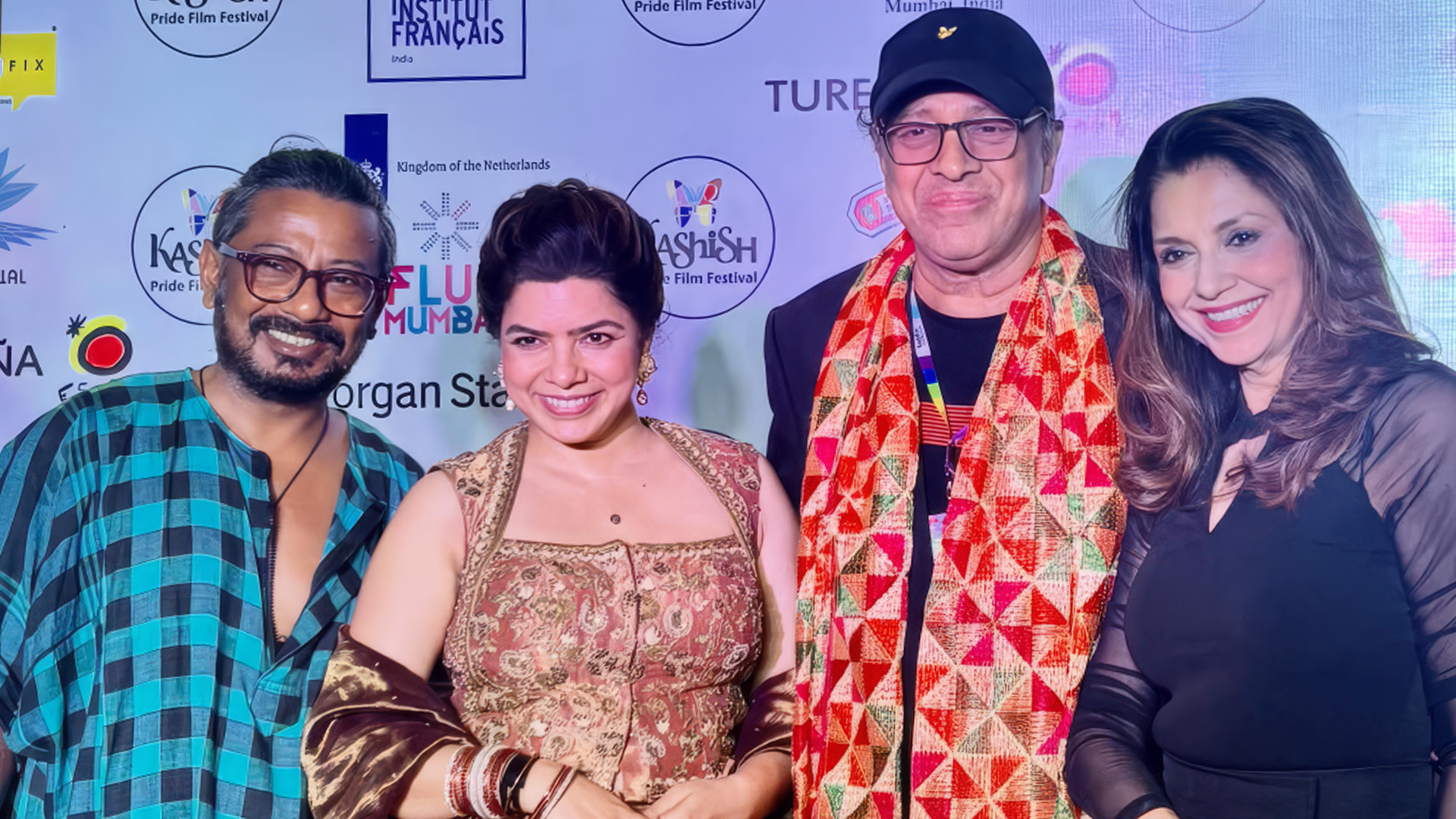
The film has screened at festivals in Mexico, Uruguay, India, Guatemala and Italy, and is available on Prime Video and Filmin in Spain, where it has been among the most streamed LGBTQ+ documentaries on both platforms.
Zubelzu's wider filmography includes Filomena, Yo Soy una Niña and Fuera de Juego, all of which engage with LGBTQ+ rights and visibility in different contexts. His work, produced through Objetivo Family Producciones, has been a consistent presence in Spanish queer documentary cinema for nearly a decade.
The full European ranking is at objetivofamily.com.


.svg)




Get weekly updates
Follow us -
@theFLICKERMAGAZINE


.png)
Join Our Newsletter
Get a weekly selection of curated articles from our editorial team.
Join Our Newsletter
Get a weekly selection of curated articles from our editorial team.