


Hit Enter to Search or X to close
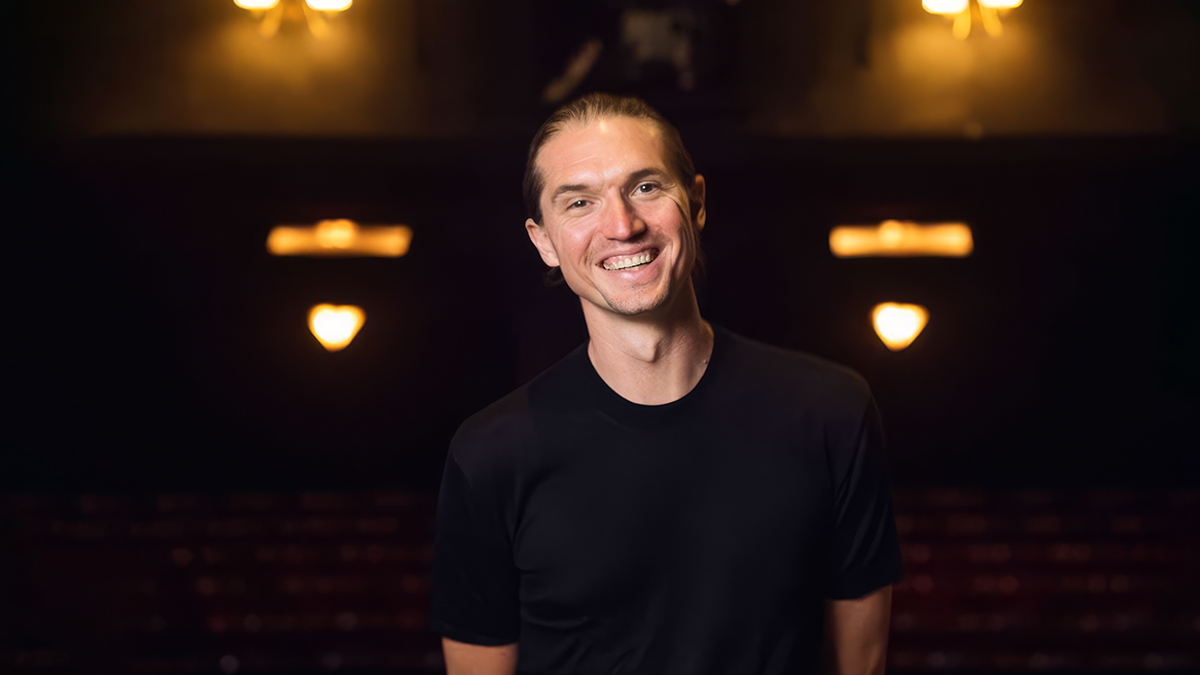
Interview with Sean Turner on Ms Holmes and Ms Watson Apt 2B at Arcola Theatre
The director who staged the world premiere of Arthur Miller's lost first play on what it takes to make Sherlock Holmes feel new again.
Interview with Sean Turner on Ms Holmes and Ms Watson Apt 2B at Arcola Theatre
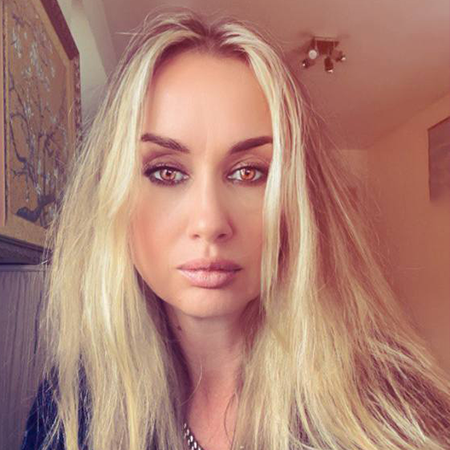
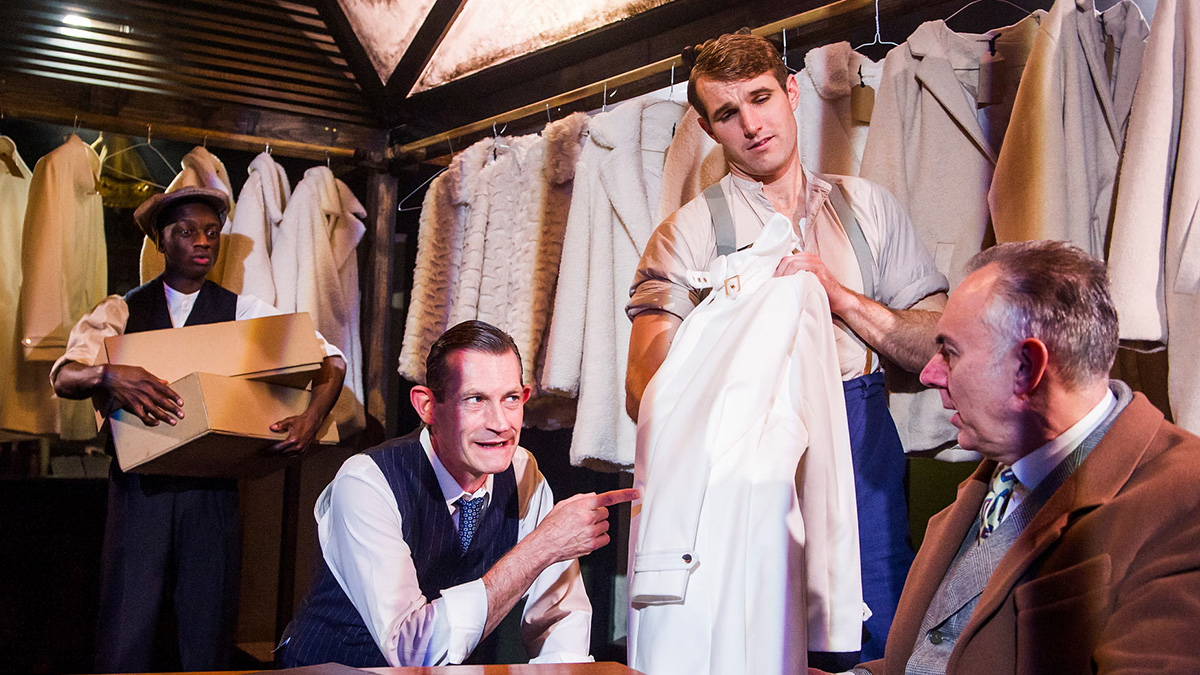
Arcola Theatre closes its twenty fifth anniversary season with the UK premiere of Ms Holmes and Ms Watson Apt. 2B, a fast paced and playful re imagining of Sherlock Holmes through a contemporary, female led lens. Running from 27 November to 20 December 2025, the production marks Arcola’s first co production with Reading Rep Theatre and brings together Lucy Farrett as Sherlock Holmes, Simona Brown as Dr Joan Watson, Tendai Humphrey Sitima and Alice Lucy in multiple roles. The creative team includes Max Dorey, Sara Perks, David Howe, Hattie North and Marcello Marascalchi.
Sean Turner has built a career marked by curiosity and range. He trained at ALRA and East 15, and later worked with Complicité, which shaped much of his interest in physical language and ensemble driven storytelling. His directing path includes comedy, devised work, drama and movement based theatre, creating a mix that feels both playful and exact. One of the most defining moments came when he uncovered Arthur Miller’s long forgotten first play, No Villain. After an eighteen month search through archives and correspondence, Turner staged the world premiere at the Old Red Lion, later transferring it to the West End.
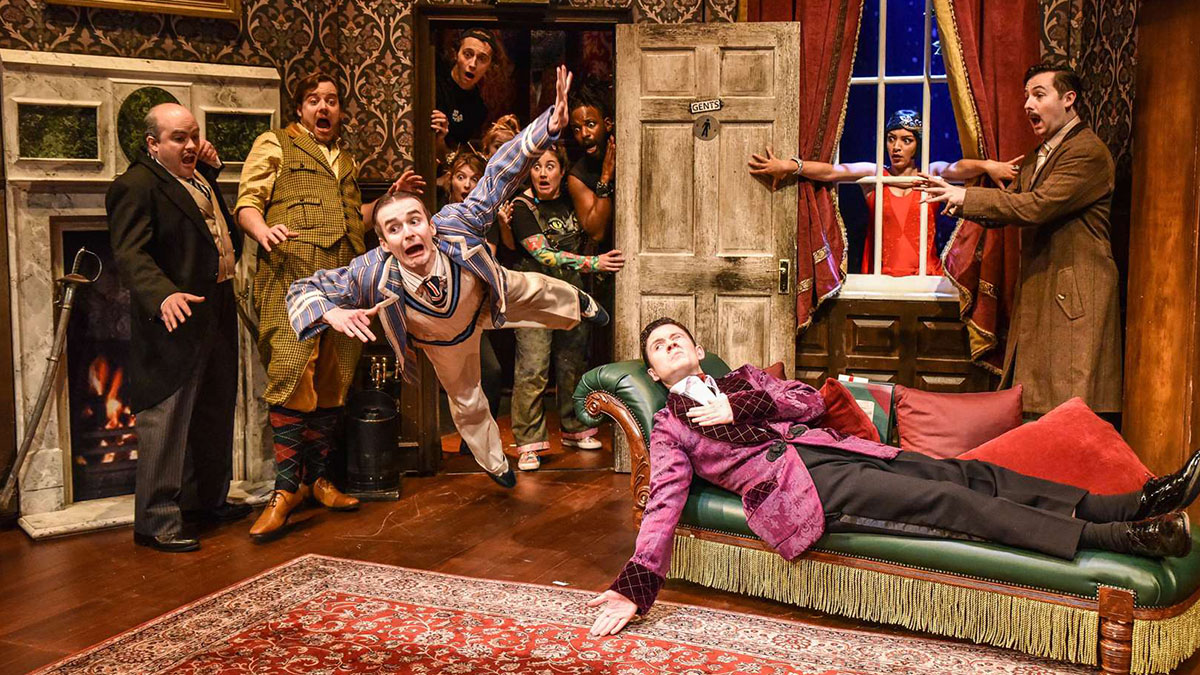
His experience extends across commercial and independent stages. He spent several years as Associate Director on the UK and international productions of The Play That Goes Wrong, refining a style shaped by timing, detail and rhythm. He later served as Artistic Director and Chief Executive of Trinity Theatre in Tunbridge Wells, developing new programmes and in house productions. Turner gravitates toward rehearsal rooms where actors lead as much as they follow. That approach makes Ms Holmes and Ms Watson Apt. 2B at Arcola Theatre a natural fit. The production moves quickly between tones and settings, asking for precision, instinct and ensemble trust.
When you first stepped into the rehearsal room, what was the one idea you wanted everyone to feel from day one?
Sean: “The thing I want most is for everyone to feel at home, safe to be creative and fail, and to instill in them ownership of the work as a whole. For this particular play I was keen to find a kind of unifying style that would make the whole thing sing, that took a while, but I think we got there.”
This play carries a familiar legacy but a very different energy. What was the first thing you decided must shift from how people normally see Holmes and Watson?
Sean: “Our perception of Holmes and Watson has been skewed in an outsize manner by the Cumberbatch and Freeman adaptation and I was keen to not fall into the trap of recreating those roles. I wanted to present a wholly new version of Sherlock Holmes. The play presents this really interesting scenario by setting the play just after the events of the COVID 19 lockdowns. I was keen to explore what happens to a mind like Holmes’s when it’s trapped inside without an outlet for its genius.”
What drew you to this play at this moment in your career?
Sean: “I’ve earned a lot of dinners over the past decade from directing comedy and made something of a specialism in physical clowning. This felt like it was rife with great opportunities to ply that craft as well as some real moments of pathos that I love working on.”
What part of the script made you say this is the version I want to stage?
Sean: “I like stage directions, and Kate Hamil offers some real challenges to the director. One minute they’re in a beautifully realised apartment, the next they’re in a disused railway station. I love those kind of problems.”
How did you shape the tone of the production?
Sean: “With great difficulty, the play is full of challenging swings from one to the next. We did what I always do, aim for the truth and hope the rest will become clear.”
“I want everyone to feel at home, safe to be creative and fail, and to take ownership of the work.”
How did your vision for the play change once rehearsals began?
Sean: “It always changes a lot, I like to be led by the cast as much as I lead them. We found an enormous amount of great material in the room. They’re an excellent company.”
What qualities did you search for when casting the new Holmes and Watson?
Sean: “For Holmes you’re looking for some undefinable charm, if they’re not really likable then Sherlock can become quite a bore. Lucy Farrett walks that line beautifully. For Watson we need a really solid centre for the madness of the rest of the play to revolve chaotically around, Simona is absolutely sensational.”
How did you guide the actors to keep the spirit of the originals but avoid echoing past interpretations?
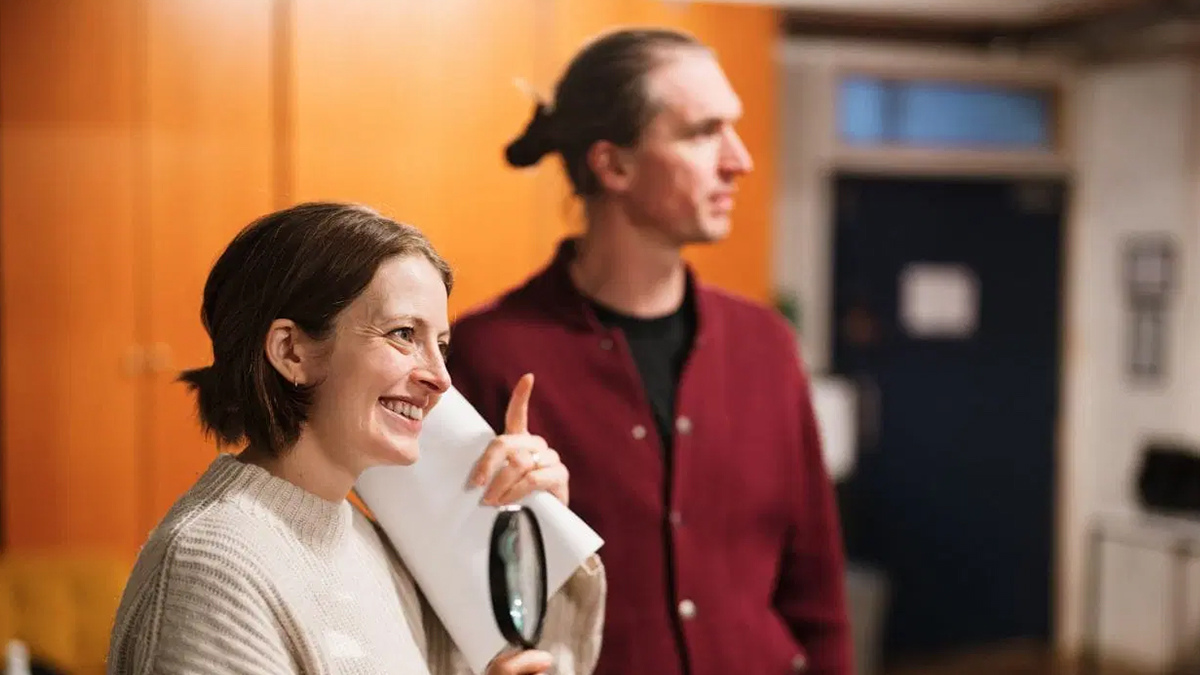
Sean: “I suggested they read three original Doyle stories then we largely forgot about them and played the text in front of us. It’s a danger of working with any classic text to get bogged down in unimportant details like that.”
Was there a rehearsal moment that shifted your understanding of either character?
Sean: “Every moment in rehearsals is valuable and leads to a more fully realised version of the character.”
What helped the cast build chemistry in a way that felt modern and grounded?
Sean: “The company bonded straight away which is such a help. They really look after each other out there and bring a lovely confidence to the work.”
How did conversations with your design team influence the world of this production?
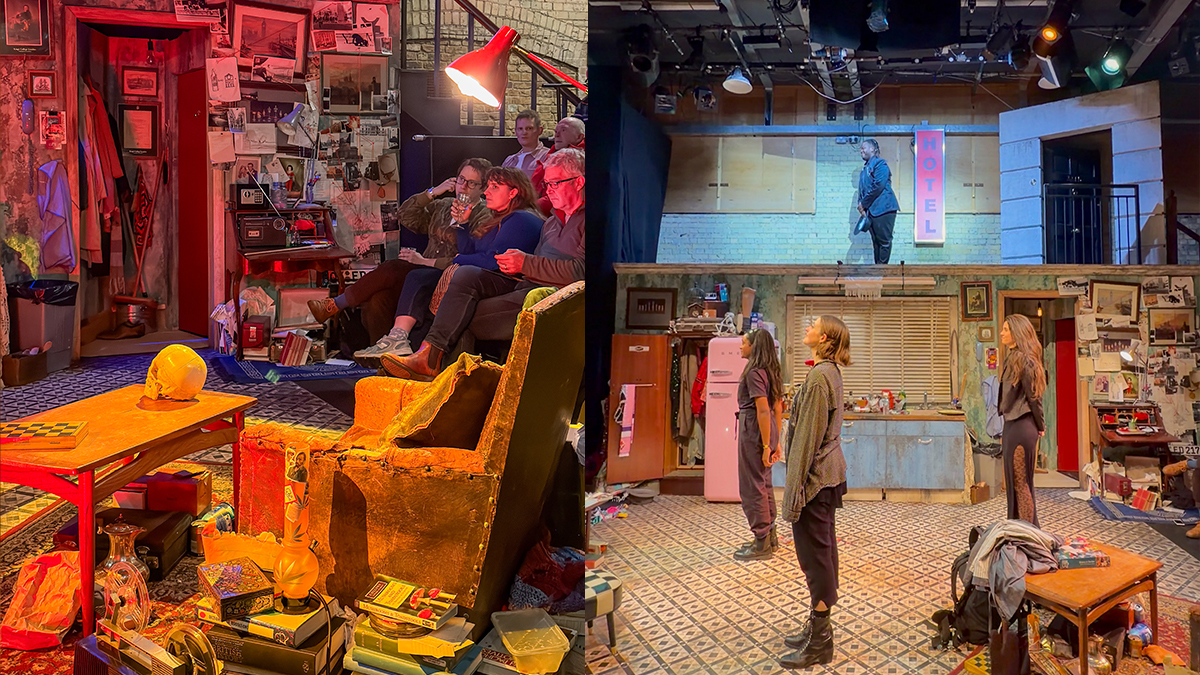
Sean: “Max Dorey, who designed the set, is a very old friend of mine and it was lovely to work together again. The environment he created for the show is terrific and absolutely informed every element of the play. If you come and see it, expect a few surprises hidden away.”
Did any suggestion from a collaborator push the production in a direction you didn’t expect?
Sean: “At the risk of being boring, yes, every conversation. I really try to be an open book with this stuff. I don’t make an enormous amount of hard and fast decisions on my own, it’s always about collaboration. It’s why I love theatre.”
“Holmes gives us the thrill of seeing the world decoded, and Watson grounds him with heart and humanity.”
Was there a specific scene that went through major changes as you refined the staging?
Sean: “The finale is a tricky old scene. There was a stunt that I had always planned to do that ended up being a bit too tricky leading to a few creative solutions.”
Why do Holmes and Watson stories still connect with audiences in 2025?
Sean: “Because it’s really a buddy story about two opposites choosing each other. Holmes gives us the thrill of seeing the world decoded, and Watson grounds him with heart and humanity. That mix of genius and empathy never goes out of style.”
Does this version of the play speak to themes that feel important right now?
Sean: “Kind of, but honestly, it’s mainly a very silly comedy, and shouldn’t be taken too seriously.”
What do you hope audiences feel when the story lands in its final beat?
Sean: “Like they’ve had a really fun night out. That’s okay right? It doesn’t always need to be more than that!”
How does working on this play reflect the kind of theatre you want to create moving forward?
Sean: “I want to keep challenging myself to make new and exciting work rather than recreating. The next couple of things I am working on are really different. A drama about terminal illness and a gothic horror.”
What do you hope this production adds to your wider body of work?
Sean: “A production I’m really proud of and I hope audiences enjoy.”
Ms Holmes and Ms Watson Apt. 2B is currently running at Arcola Theatre until 20 December 2025.
Tickets are available at:
https://www.arcolatheatre.com/whats-on/msholmesmswatson/


.svg)



Get weekly updates
Follow us -
@theFLICKERMAGAZINE


.png)
Join Our Newsletter
Get a weekly selection of curated articles from our editorial team.
Join Our Newsletter
Get a weekly selection of curated articles from our editorial team.