


Hit Enter to Search or X to close
Konstantin Lieontiev Builds a New Life in London
Fashion producer Konstantin Lieontiev reflects on rebuilding his creative life in London and shaping London Fashion Day through identity, persistence and community.
Konstantin Lieontiev Builds a New Life in London
This article appears in Flicker F*2 Issue and forms part of the magazine’s ongoing focus on queer life, identity and creative expression.
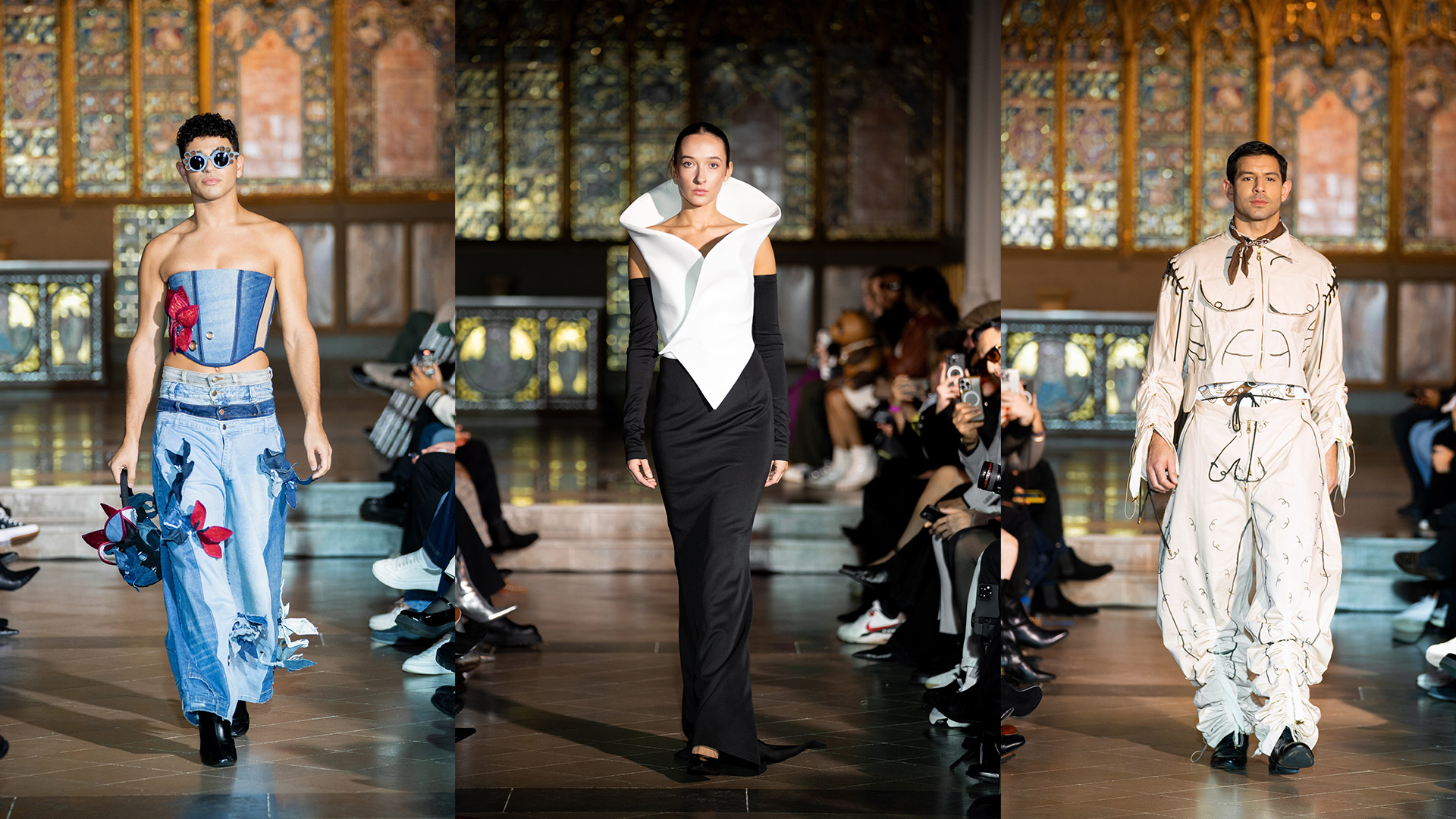
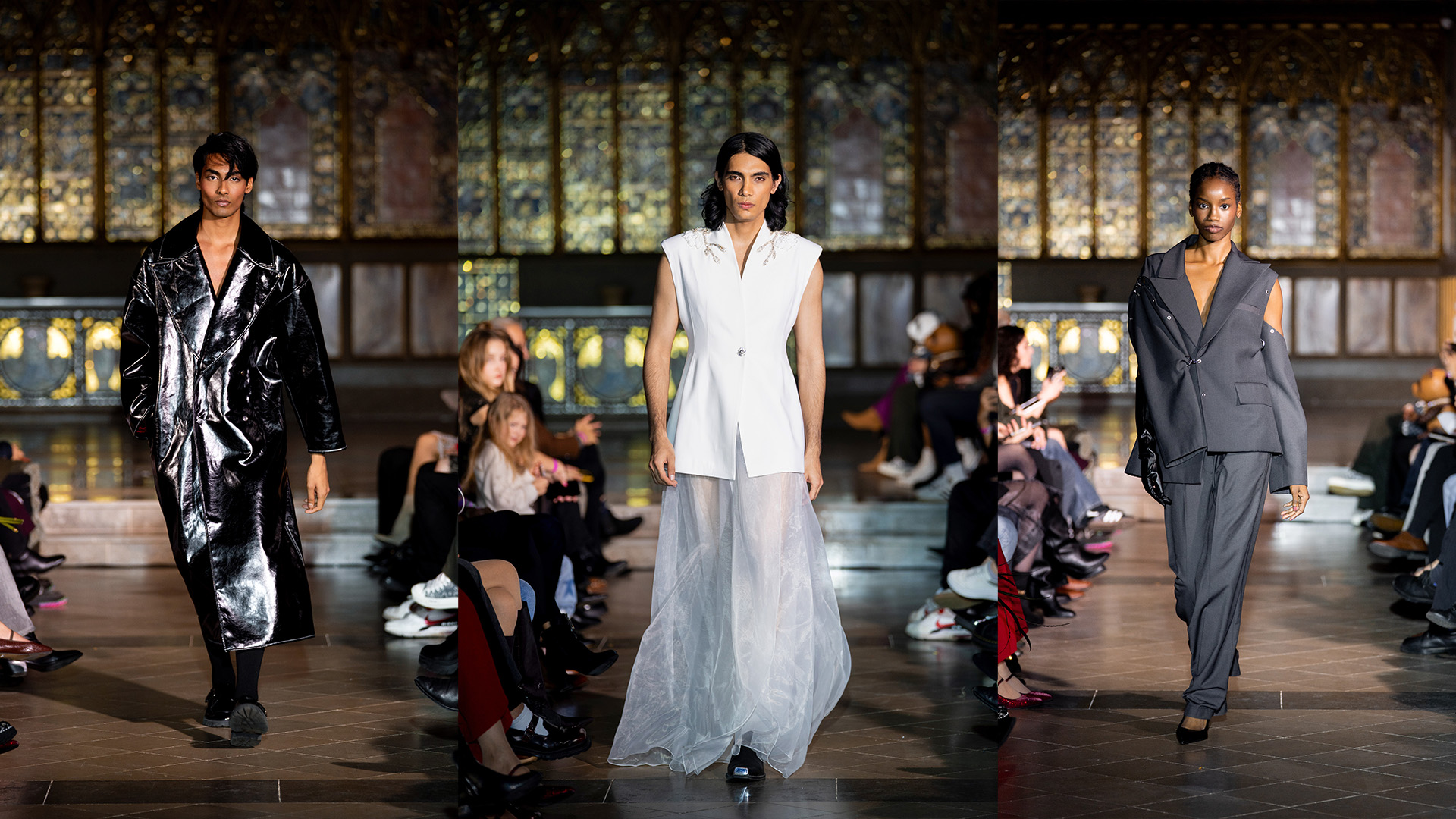
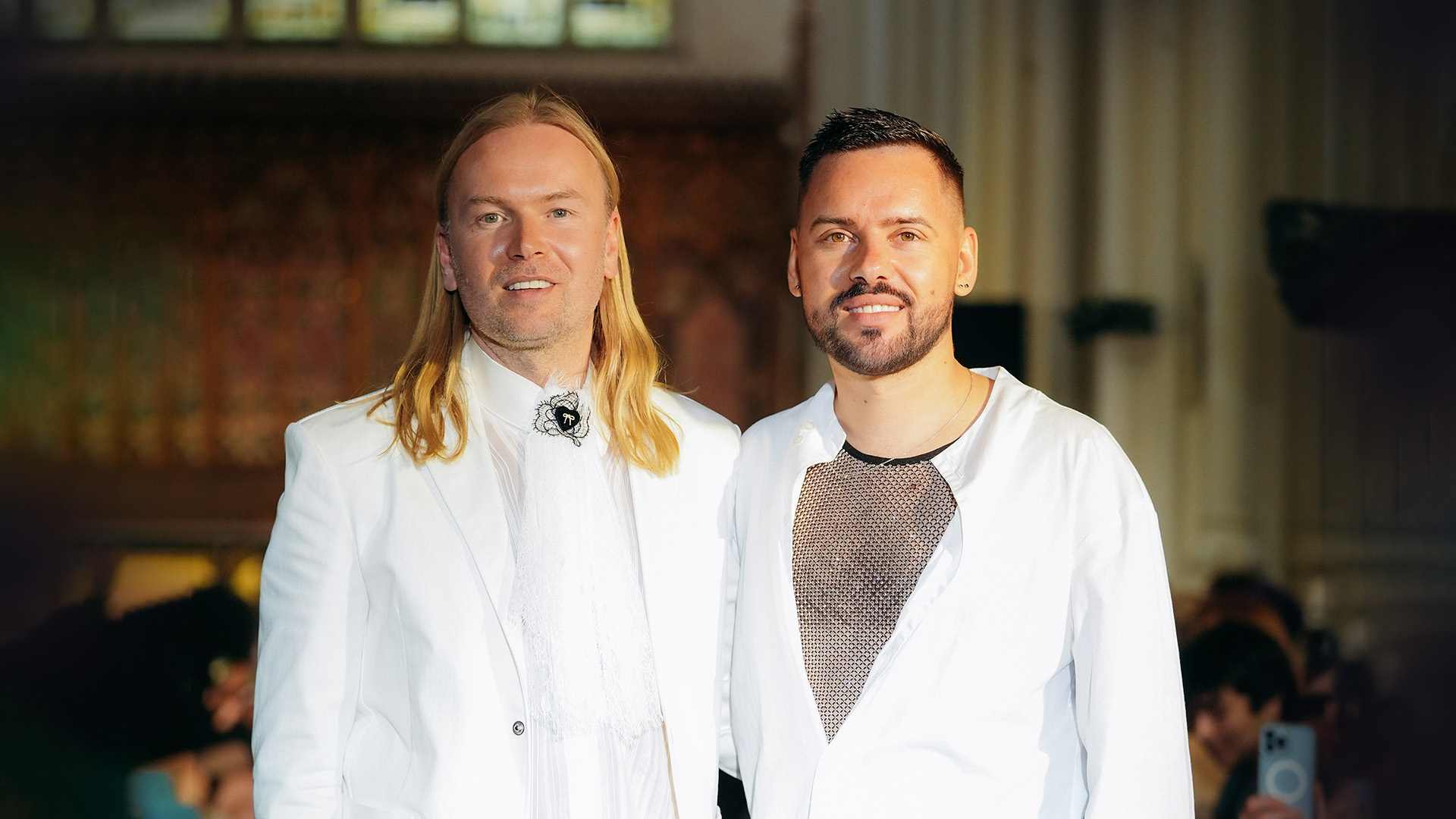
London Fashion Day held its sixth edition on the first of November at St John’s Church near Hyde Park. The theme this season was The Art of Being, centred on the idea that authenticity is a strength rather than an aesthetic choice.
The event expanded noticeably, with more designers, an increased audience and new collaborations across London, Europe and other regions. Collections ranged from couture silhouettes to symbolic pieces, experimental streetwear and designs built around personal stories.
The runway opened with five collections presented by LCCA students whose ideas carried a mix of experimentation and intention.
The Pop Up Corner Space offered room for smaller brands and the winner of the open call, giving guests time to engage with the work directly. Educational partners, beauty teams and international collaborators supported the programme.
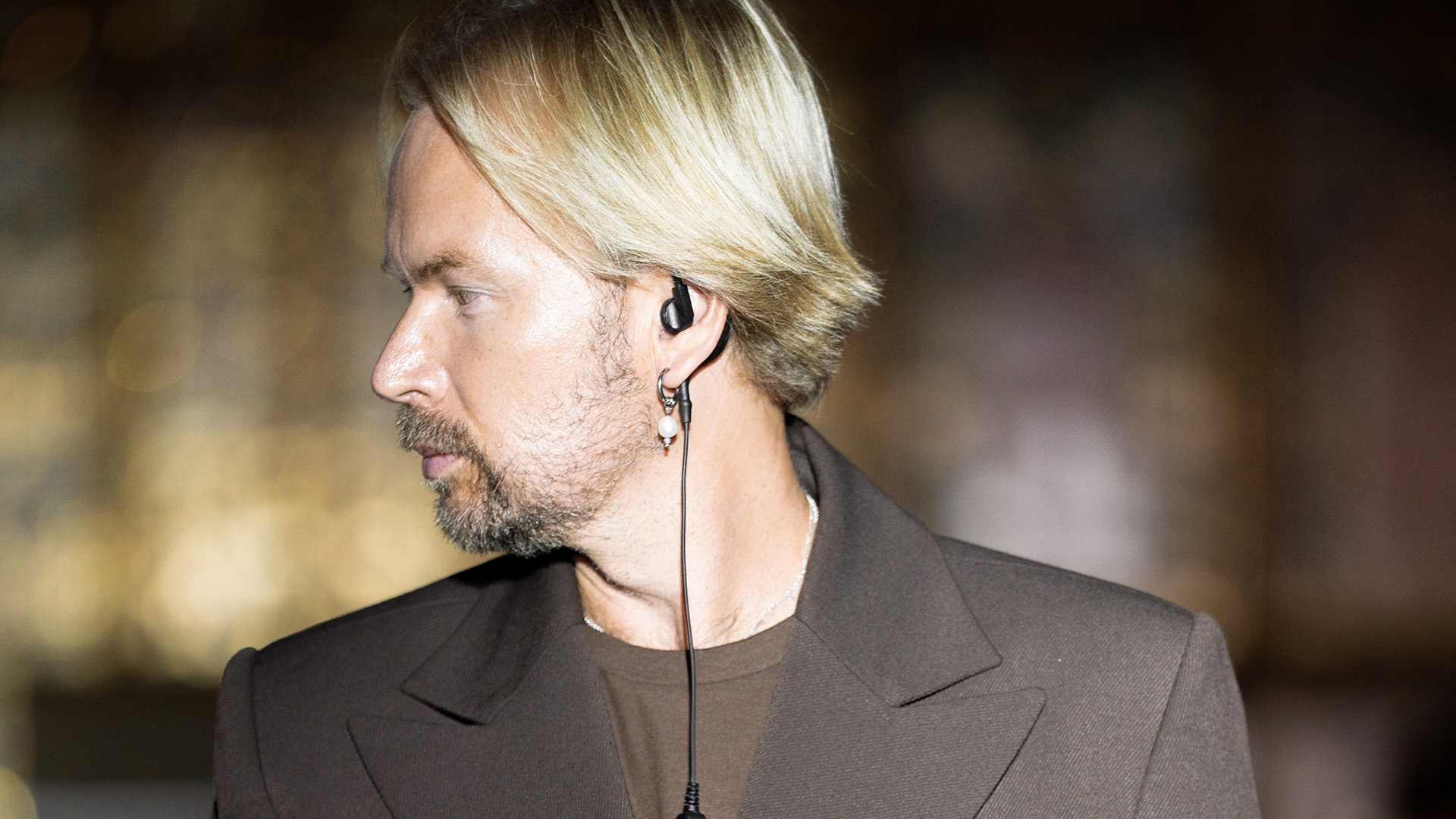
The event continued positioning itself as a platform that connects people, rather than a single show.
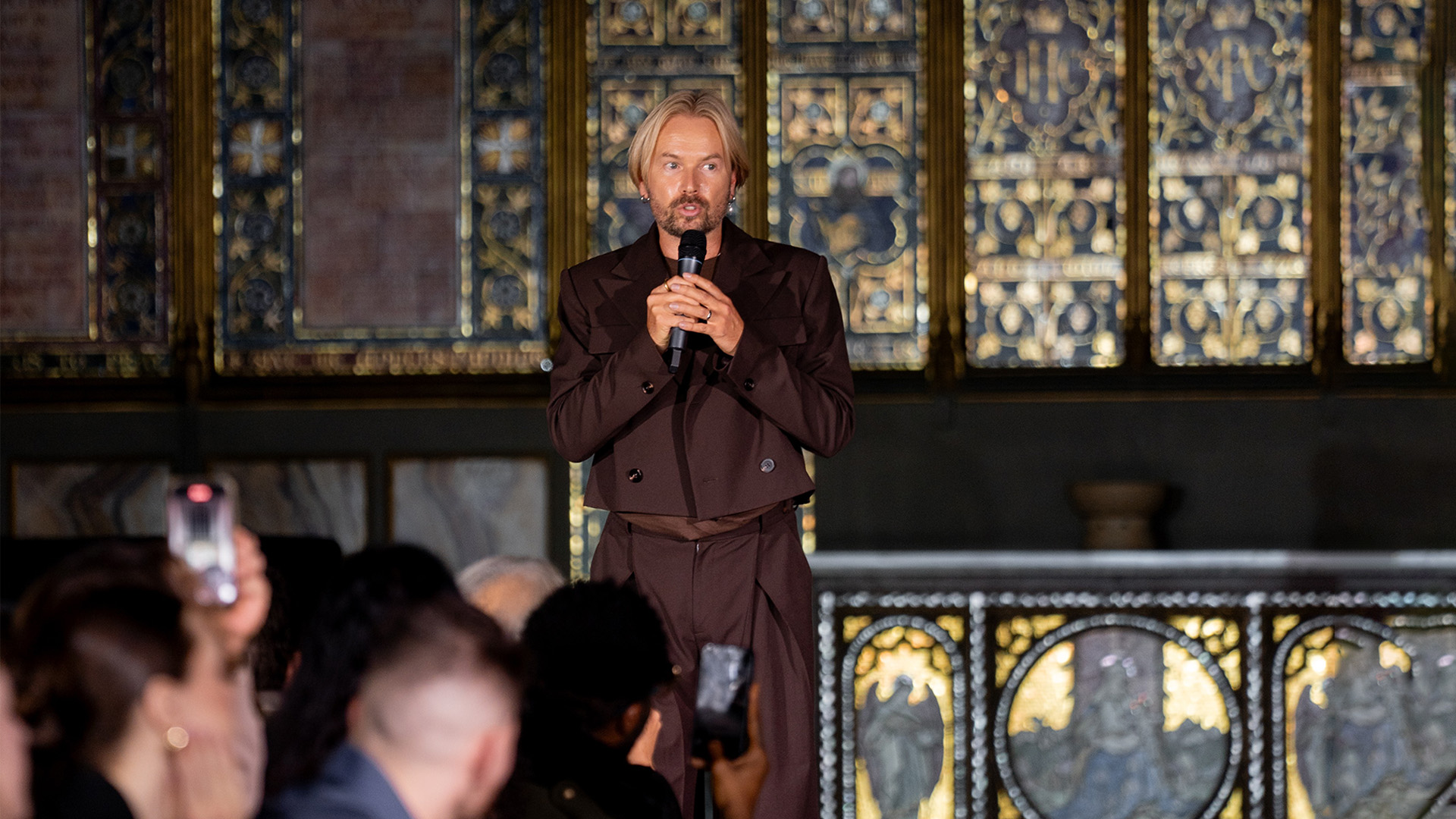
Konstantin Lieontiev, the founder and producer of London Fashion Day, reflected on the long path leading to this edition.
Before the formal questions began, Konstantin described the first years he spent in London. His first year passed quickly because he worked almost all day while trying to adjust to the rhythm of the city. His second year focused on figuring out where he stood and what he should do next.
During this period he lived with a flatmate so quiet he barely saw him, and at times Konstantin wondered whether the neighbour felt uneasy living next to a gay couple.
He mentioned how the early morning noise outside his window made rest difficult, a detail that stayed with him because it shaped his daily routine.
He recalled visiting a local salon where he later learned there had been a fire. Some people suspected an attempted break in. Around the same time he started painting dots on his nails. It was not planned or symbolic, but it became a small part of how he expressed himself.
These small stories formed the reality of adapting to a new country.
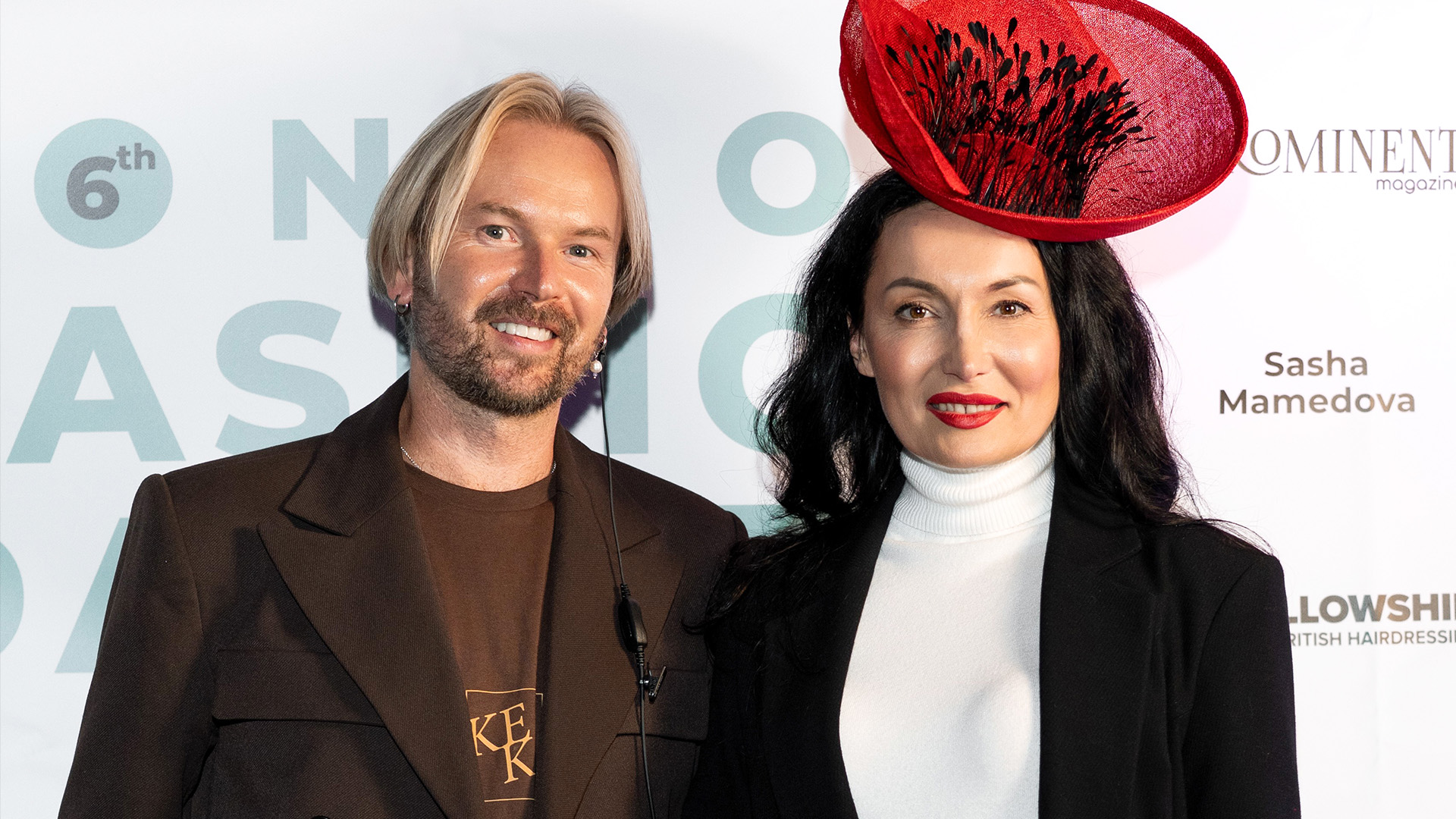
Konstantin enrolled in a fashion marketing and management course because he needed a fresh network. He expected something closer to a traditional British university environment but found himself surrounded mostly by classmates from Bulgaria, Romania and Moldova.
He described this with humour, calling it another example of how London never matches expectation. Many people told him that it takes around five years to feel settled in the city. After three years, Konstantin recognised this as true.
When the interview continued with prepared questions, his answers remained direct.
What was your first experience in fashion?
My first experience was in 2008 when I started my career as a producer for fashion shows. I still think I will continue doing this. Even now I help my team in Odessa with Odessa Fashion Day. In London I created London Fashion Day with the same idea, same mission, same goal, just in a different country.
Konstantin added that the difference between Ukraine and the UK is substantial. In Ukraine he built an ecosystem of projects that supported each other. He knew the industry partners, designers and venues well. Organising something there remains easy because the relationships are already in place. In London he had to start again without this foundation.
What was the biggest risk of creating London Fashion Day?
The biggest risk is still going. Everything is new here. New country, new community. When you do not know the rules or how everything works, it becomes complicated. I explore everything myself. I make mistakes, then analyse them, and move forward. I like this process.
Konstantin later changed his working life to give more time to his own projects. He left his previous job in the beauty industry because he did not want to spend every day working for someone else while having no energy left for his own ideas.
This decision allowed him to commit more fully to London Fashion Day.
How does your queer identity shape LFD?
I am not sure it influences it one hundred percent, but the creative side of me, the part that loves beauty and glamour, is connected to it. I try to bring these elements into the project. I work with models who look like models, like in Paris or Milan. Diversity is a complicated topic here, and I try to be careful when I speak about it. My focus is still on beauty and expression.
Konstantin connected his queer identity to his sense of aesthetics rather than a political message. His choices come from what feels authentic to him and the way he sees glamour and form.
How different is queerness in fashion between the UK and Ukraine?
Very different. In the UK you see queer identity everywhere. In Ukraine people do not talk about it loudly. It stays inside small circles. Here it is visible. In Ukraine it is not. This contrast shaped his expectations when moving. In London queer visibility appears across media, fashion, art and everyday life. In Ukraine it exists within smaller communities.
How did moving to London change your career?
It changed everything. In Ukraine I built a full ecosystem of projects that supported each other. I had reputation, image, networks. Organising something there is easy for me even now. Here I started from zero. You do not know anyone, and nobody knows you. People want to know what you have done in the UK, not before. It is very difficult.
Konstantin added that London’s financial pressure forced him into long working hours in jobs he did not enjoy. After some time he made the choice to focus again on his own work and build from there.
What was the most unexpected moment you experienced during an event?
Just a few days ago a designer wrote asking if I would pay them to be part of London Fashion Day. Designers pay us to produce their show. We organise everything. I do not know any project that pays designers, especially emerging ones. I did not know what to even answer.
This moment illustrated how different each designer’s expectations can be depending on their background.
Which outdated rule should disappear?
Maybe not a rule but something personal. Here I can wear a skirt or heels and nobody judges me. In Ukraine people would judge me one hundred percent. For me the rule is simple. No gender in fashion. If you want to wear something, wear it.
Konstantin bases his own brand around this idea, creating pieces without gendered categories.
Who inspired you the most?
Saint Laurent and McQueen. When you know the classic approach you can create the future. I love the French style of Saint Laurent and the brave English style of McQueen.
He described these influences as the base of his understanding of elegance and bold design.
Have you faced pushback for being queer?
Yes, in Ukraine and Eastern Europe. Not here. If you have a goal and passion, close your eyes and continue. That is my formula.
Your most unforgettable queer event?
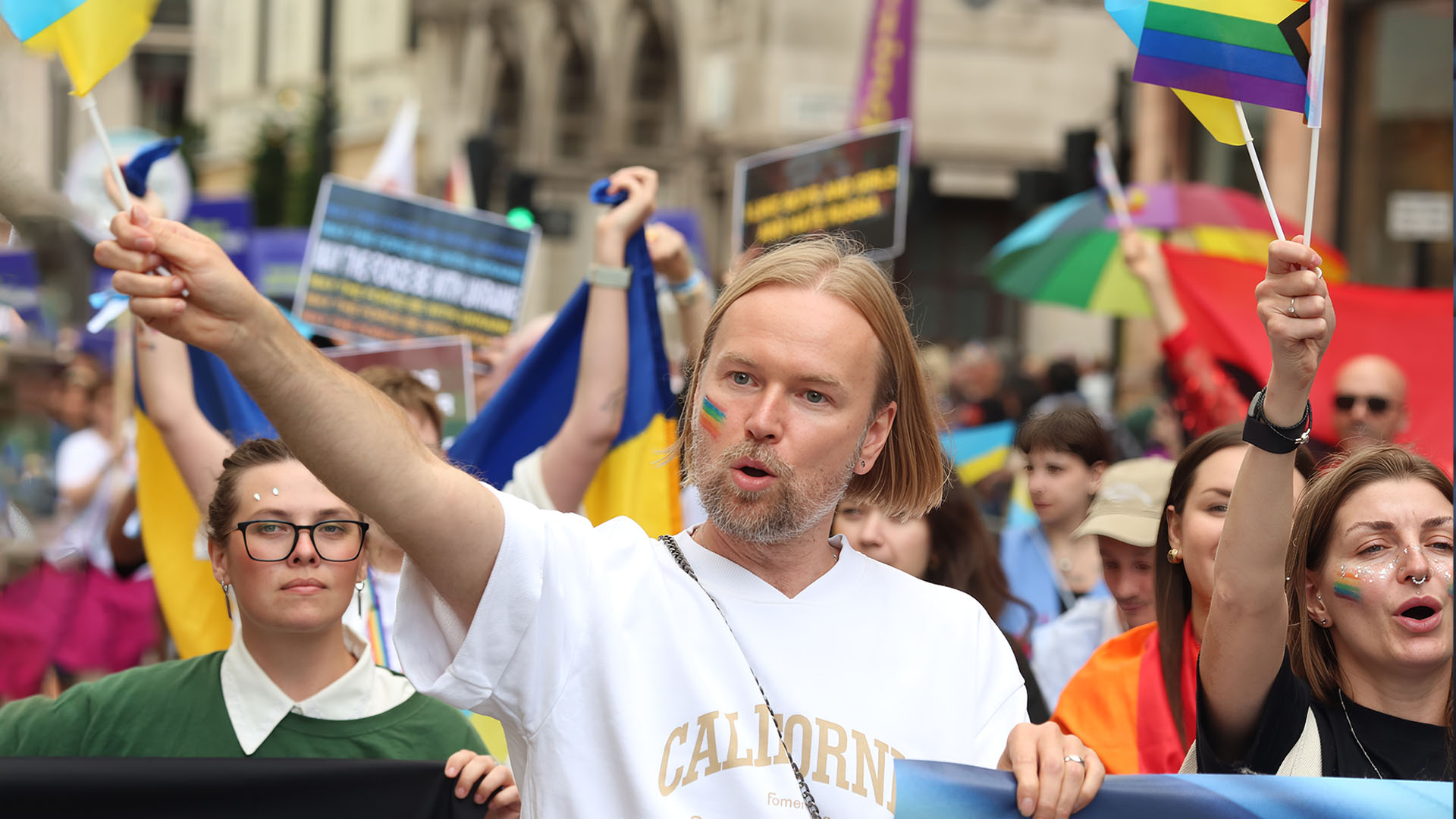
Pride in London and Pride in Brighton. I walked inside the parade with the Ukrainian group. The energy, the warmness, the love from people. Unforgettable.
Films that influenced your creativity?
Eight Women and Roman Holiday. Audrey Hepburn wore Givenchy her whole life. That inspired me.
Is fashion keeping up with queer storytelling like cinema is?
Fashion still needs more. I do not know the criteria for queer fashion. I want to see more real stories.
Do you have a favourite queer film?
I do not think I have one. Many queer films I saw in Ukraine were not real to me. Some showed only tragedy. Others showed perfect love that was not possible for us. I did not want to watch something that we could not have. Since moving here I want to explore more, but I want real life, real struggles, real stories.
Are there untold queer stories in fashion that should be shown?
Yes. Many real stories, not polished ones. People should be able to recognise themselves in them.
If you could design for any film, which one would it be?
Dune. I love the modern style of it.
Have you collaborated with film festivals?
Yes. I worked with film festivals in Ukraine. Fashion, film and beauty work together naturally.
Do you have a personal motto?
Do not give up. I say this to myself often. It helps me continue.
What keeps you going?
Passion. I love this work. Sixteen years already and I cannot stop. If I start something I want to continue.
What comes next?
I want to build a separate platform for LGBTQ plus designers. I was inspired after visiting a British store that presented queer designers together. Maybe it can be a separate day or event.
When asked where people can follow him, Konstantin mentioned his account Konstantin underscore Keka and the London Fashion Day page.
The sixth edition showed how London Fashion Day continues to grow through intention rather than speed. Designers, students, partners and guests brought their work and perspectives into one place. Konstantin’s path from Ukraine to London shaped the project and the way it functions. For him fashion is tied to identity, persistence and the process of building a life in a new environment. The event reflects that foundation and continues to form a space where individual stories can be recognised.
The next edition of London Fashion Day is scheduled to take place in April, continuing the platform’s focus on emerging designers and independent voices.
Photo: Anita Taraniuk & Courtesy of Konstantin Lieontiev

.svg)


Get weekly updates
Follow us -
@theFLICKERMAGAZINE


.png)
Join Our Newsletter
Get a weekly selection of curated articles from our editorial team.
Join Our Newsletter
Get a weekly selection of curated articles from our editorial team.