


Hit Enter to Search or X to close
Queer Britain reopens with new galleries for LGBTQ+ History Month
The UK’s national LGBTQ+ museum returns to King’s Cross with six new strands exploring queer life, protest, creativity, health, intimacy, and visibility
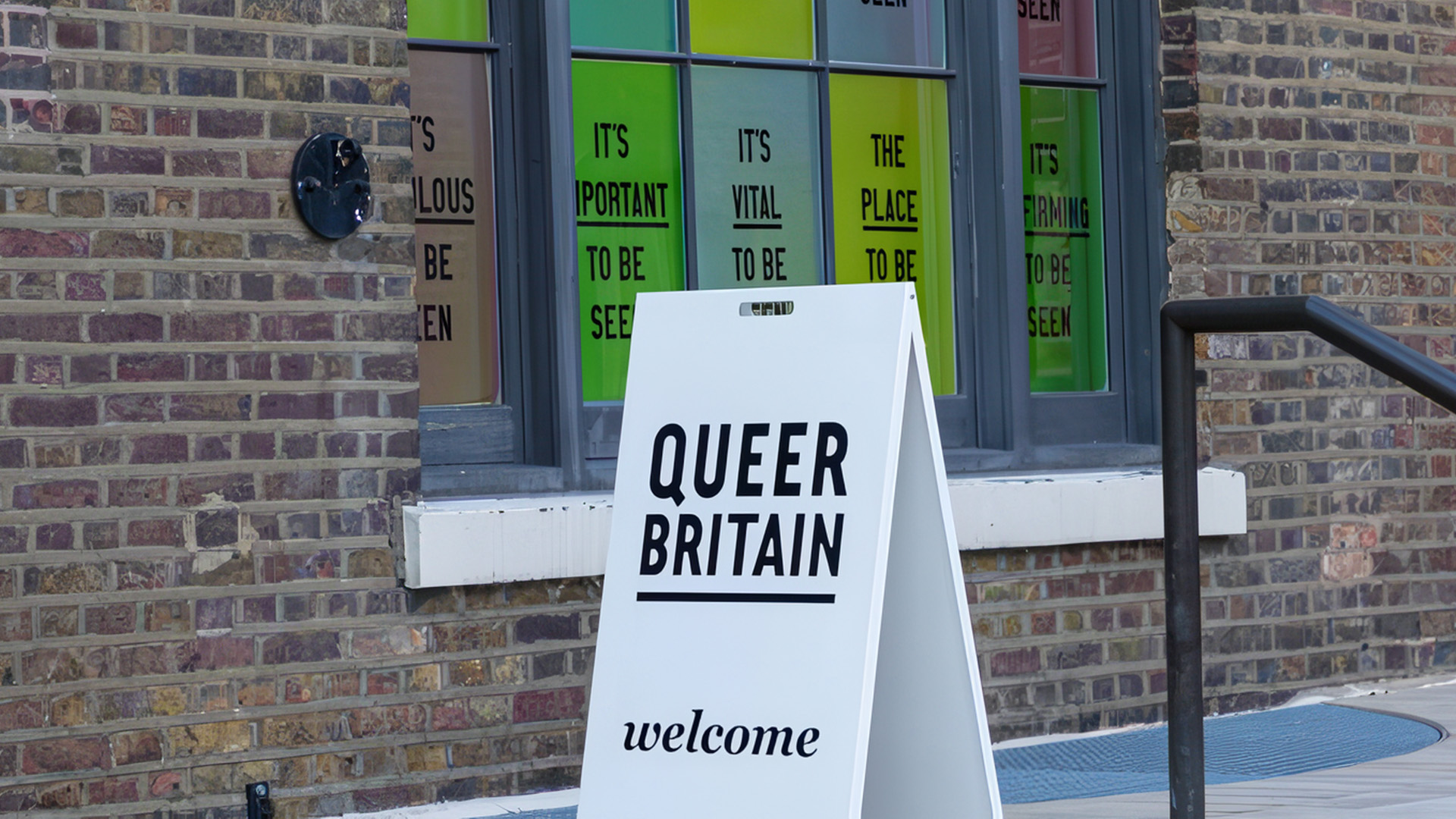
Queer Britain reopens with new galleries for LGBTQ+ History Month
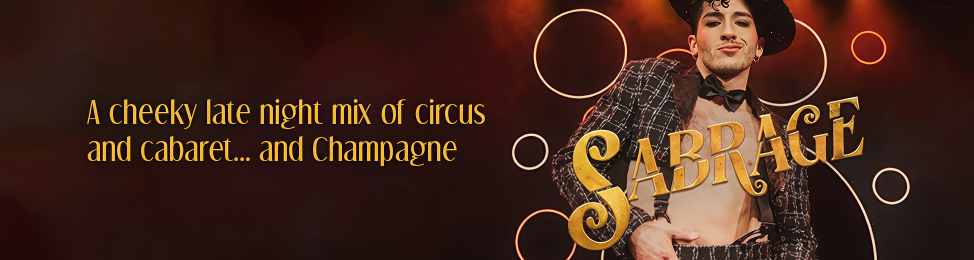

Queer Britain reopens on 4 February with all new displays across its galleries, marking the return of the UK’s national LGBTQ+ museum during LGBTQ+ History Month and launching a refreshed programme for 2026.
Queer Britain is the UK’s first museum dedicated entirely to LGBTQ+ history, life, and culture. Located in Granary Square, King’s Cross, it operates as an independent museum with no public subsidy and works on a Pay What You Can model to keep access open. The museum’s mission is to reclaim and preserve queer stories and objects, while inspiring understanding through exhibitions, events, and education that reflect the breadth of LGBTQ+ experience across the UK.
The reopened collections gallery is structured around six strands. These have been shaped by visitor feedback and are designed to change over time, allowing new stories to enter the space and different voices to be centred.

Resist!
This strand looks at how LGBTQ+ people organised against oppression, focusing on collective action, protest, and survival. It centres on the story of The Black Lesbian and Gay Centre and its role in activism during the 1980s and 1990s, presenting rarely seen posters, pamphlets, and community materials. The section is co curated by filmmaker Veronica McKenzie alongside community members, grounding the display in lived experience.

Body and Mind
This strand reclaims narratives around LGBTQ+ experiences of health, illness, and disability. It brings attention to bodies and lives often marginalised within both medical and cultural histories, including the display of a panel from the UK AIDS Memorial Quilt, part of the largest community arts project in history.

The World Around Us
This strand explores how queer lives exist within wider society, often under public scrutiny. It opens with the story of Justin Fashanu, the first Black footballer with a £1 million transfer fee, who came out as gay in 1990 after facing the threat of being outed by the press, placing visibility alongside consequence and pressure.
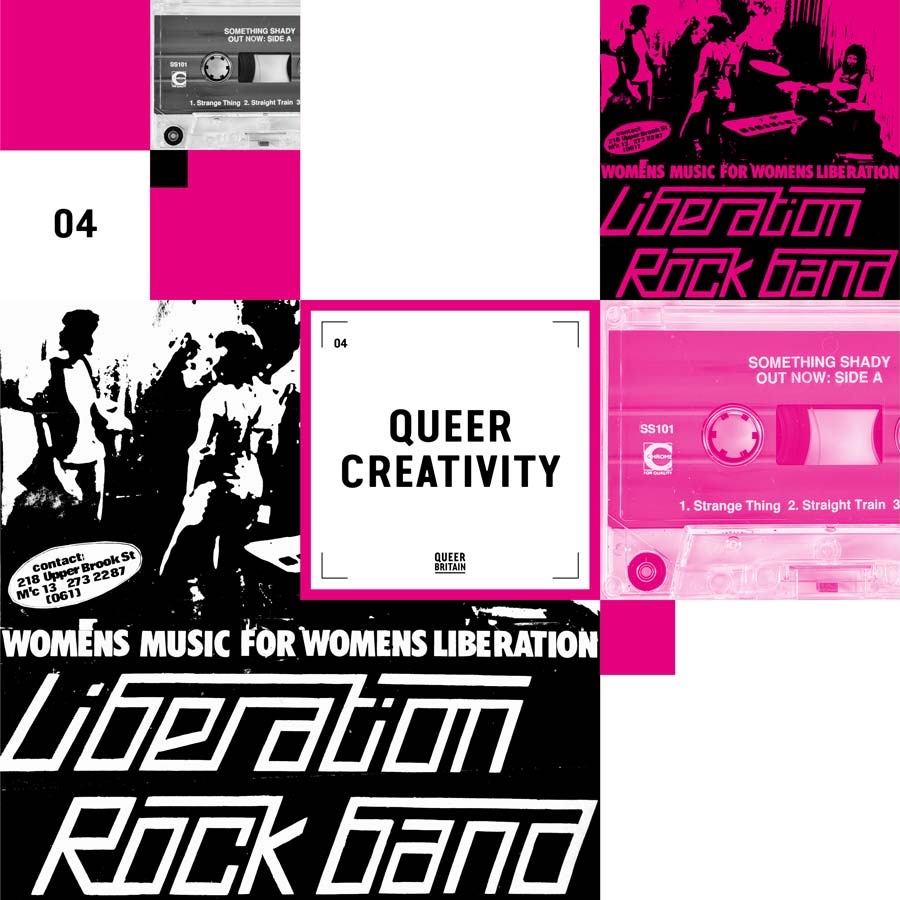
Queer Creativity
This strand focuses on artistic practice as a form of expression and resistance. It tells the story of the Women’s Liberation music making movement of the 1970s and 1980s, highlighting the contributions of lesbian, bisexual, queer, and trans women whose work shaped culture while creating space outside mainstream recognition.

Club Kids
This strand explores alternative ways of coming together through nightlife, social spaces, and chosen family. It opens with a co curated showcase of Club Kali, the UK’s first space welcoming all LGBTQ+ people to celebrate diverse South Asian heritage, tracing how clubs and informal gatherings became sites of visibility, connection, and care.

Live, Laugh, Love
This strand examines domesticity, intimacy, and relationships beyond conventional structures. It includes the story of Bloomsbury group members Lytton Strachey and Dora Carrington, whose close bond involved shared partners and emotional openness, offering a view of queer domestic life that resists simple labels.
Dates
Reopening from 4 February 2026, with the collections gallery on view year round and special exhibitions running throughout 2026.
Address
2 Granary Square, King’s Cross, London N1C 4BH.
Tickets
Pay What You Can entry. Tickets might be purchased in advance through the museum booking system.

.svg)



Get weekly updates
Follow us -
@theFLICKERMAGAZINE


.png)
Join Our Newsletter
Get a weekly selection of curated articles from our editorial team.
Join Our Newsletter
Get a weekly selection of curated articles from our editorial team.